Why Your Teeth Are Suddenly Sensitive (Hint: It Might Be Nighttime Grinding)

A sip of coffee, a spoonful of ice cream, even a gust of cold air and suddenly there's a sharp, unmistakable jolt from one or more teeth. If this has started happening recently and you can't pinpoint why, nighttime teeth grinding is a genuinely common but frequently overlooked cause, especially since it happens while you're asleep and unaware.
What's Actually Happening: The Hydrodynamic Theory
Tooth sensitivity, more formally called dentin hypersensitivity, isn't random. The most widely accepted explanation, known as the hydrodynamic theory, holds that sensitivity happens when microscopic channels inside your dentin the layer beneath your enamel, called dentinal tubules become exposed. These tubules contain fluid, and when that fluid moves in response to temperature changes, pressure, or certain foods, it triggers nerve signals near the pulp of your tooth, producing that short, sharp pain.
Under normal conditions, your enamel (or, at the gumline, your gum tissue) covers and protects these tubules. Sensitivity develops when something wears away that protective covering, exposing the tubules to everyday stimuli they weren't designed to be exposed to.
Why Bruxism Specifically Causes This
Nighttime grinding applies substantial, repeated mechanical force directly to your tooth surfaces considerably more force than normal chewing. Over time, this wears down enamel, particularly on the biting surfaces of your back teeth, gradually exposing the dentin underneath. Because enamel doesn't regenerate once it's lost, this exposure is permanent unless addressed with dental treatment, which is part of why sensitivity from grinding tends to be progressive rather than resolving on its own.
Because so much bruxism happens during sleep, many people have no idea it's occurring until either a dentist notices the telltale wear pattern, or the sensitivity itself prompts a visit.
The Location Clue: How to Tell If It's Grinding vs. Something Else
One genuinely useful diagnostic detail: where the wear happens differs by cause. Enamel erosion from acidic foods and drinks tends to show up predominantly on the palatal (inner, tongue-side) surfaces of teeth. Bruxism-related wear, by contrast, shows up primarily on the occlusal surfaces the actual biting and chewing surfaces of your teeth. If your sensitivity seems to trace back to flattened or worn-looking chewing surfaces rather than the inner surfaces of your teeth, that pattern points more toward grinding than diet-related erosion.
The Full Range of Sudden Sensitivity Causes
Bruxism is one of several common causes, and it's worth knowing the others so you can consider your specific pattern:
- Enamel erosion from acidic foods and drinks citrus, soda, wine, and vinegar-based dressings can gradually thin enamel, typically on the inner tooth surfaces
- Gum recession exposes the tooth root, which has no enamel covering at all and is inherently more sensitive
- Aggressive brushing or a hard-bristled toothbrush can wear away enamel and contribute to gum recession simultaneously
- Cavities or tooth decay sensitivity localized to a single tooth, especially if it's worsening, can indicate a cavity rather than generalized wear
- A cracked or chipped tooth often produces sharp pain specifically when biting down, localized to one tooth
- Recent dental work teeth whitening, fillings, or cleanings can cause temporary sensitivity that typically resolves within days
- GERD (acid reflux) stomach acid reaching the mouth during sleep can erode enamel in a pattern similar to dietary acid exposure
- Bruxism (teeth grinding) wear concentrated on biting surfaces, often with other accompanying signs (see below)
Sensitivity Pattern by Likely Cause
| Cause | Typical Pattern |
|---|---|
| Bruxism | Wear on biting/chewing surfaces; multiple teeth; often with jaw soreness or headaches |
| Acidic diet/erosion | Wear on inner (palatal) tooth surfaces; teeth may look thin or glassy |
| Gum recession | Sensitivity at the gumline; visible root exposure |
| Cavity | Localized to one tooth; may worsen over time; sometimes visible discoloration |
| Cracked tooth | Sharp pain specifically on biting down; localized to one tooth |
| Recent whitening/dental work | Temporary, resolves within days to a couple of weeks |
| Aggressive brushing | Notching near the gumline; receding gums alongside sensitivity |
Signs Bruxism Is Specifically Your Cause
Beyond the wear-location clue, other signs that point toward grinding as the source of new sensitivity include:
- Morning jaw soreness or a tired feeling in your jaw muscles
- Headaches concentrated at the temples, especially in the morning
- A partner mentioning grinding sounds during the night
- Visible flattening, chipping, or a shortened appearance to your teeth
- Sensitivity affecting multiple teeth rather than just one
If several of these overlap with your new sensitivity, grinding is a reasonable explanation worth bringing to a dentist rather than just reaching for desensitizing toothpaste and hoping it resolves.
What to Do About It
See a dentist for an actual diagnosis. Since several different causes can produce similar sensitivity, a dental exam is the most reliable way to identify what's actually happening checking for wear patterns, cavities, cracks, and gum recession, and determining whether bruxism is a contributing factor.
If bruxism is confirmed, a custom night guard is the standard first step, protecting your remaining enamel from further wear while any underlying cause of the grinding (stress, sleep issues, and so on) is addressed separately.
In the meantime, a desensitizing toothpaste containing potassium nitrate or stannous fluoride can help manage symptoms by either calming the nerve or helping block the exposed tubules, per dental research on hypersensitivity treatment approaches though this manages the symptom rather than the underlying cause.
For more significant wear, a dentist may recommend fluoride treatments, bonding, or in more advanced cases, a crown to protect a heavily worn tooth.
Frequently Asked Questions
Can teeth grinding really cause sudden tooth sensitivity?
Yes grinding applies significant, repeated force to your teeth, which wears down enamel over time and exposes the underlying dentin. Since enamel doesn't regenerate, this exposure and the resulting sensitivity tend to persist and worsen without treatment.
How can I tell if my sensitivity is from grinding or my diet?
Location is a useful clue: sensitivity and wear from acidic foods and drinks tends to concentrate on the inner (palatal) surfaces of your teeth, while grinding-related wear shows up primarily on the biting and chewing surfaces.
Why does cold water suddenly hurt my teeth when it didn't before?
This usually means dentin has recently become exposed in a way it wasn't before, whether from new enamel wear, gum recession, or another cause the fluid inside exposed dentinal tubules reacts to temperature changes, producing the sharp pain known as dentin hypersensitivity.
Is tooth sensitivity from grinding permanent?
The underlying enamel loss is permanent, since enamel doesn't regenerate, but the sensitivity itself can often be managed with desensitizing products, fluoride treatments, or restorative dental work, and further wear can be prevented with a night guard.
Should I be worried if only one tooth is sensitive, not several?
Sensitivity isolated to a single tooth is more often associated with a cavity, crack, or a specific localized issue rather than generalized bruxism-related wear, which typically affects multiple teeth. It's worth having a single sensitive tooth evaluated fairly promptly.
Will a desensitizing toothpaste fix sensitivity caused by grinding?
It can help manage the symptom by calming nerve response or blocking exposed tubules, but it doesn't address the underlying cause if grinding continues, wear will progress, so a night guard is usually needed alongside any desensitizing product.
Can whitening treatments and grinding cause sensitivity at the same time?
Yes, and this can make it harder to identify the primary cause whitening-related sensitivity typically resolves within days, so if your sensitivity persists well beyond that window, an underlying cause like grinding is more likely to be the ongoing driver.
How long does it take for grinding-related sensitivity to develop?
It varies significantly based on how forcefully and frequently you grind, but since it results from cumulative enamel wear, it typically develops gradually over months to years rather than appearing overnight, even though the sensitivity itself might seem to "suddenly" become noticeable once enamel wears thin enough.
Can gum recession and bruxism both contribute to sensitivity at once?
Yes some research has noted that heavy bruxism-related force can contribute to gum recession over time in addition to direct enamel wear, meaning both mechanisms can be at play simultaneously in some patients.
Is it normal for tooth sensitivity to come and go?
Some fluctuation is common, particularly if it's related to specific trigger foods or temporary factors, but sensitivity that's persistent, worsening, or increasingly frequent is worth having evaluated rather than assumed to be a passing issue.
Can treating GERD or acid reflux help with tooth sensitivity?
If reflux is contributing to enamel erosion, addressing the underlying condition can help slow or stop further erosion-related sensitivity, though existing enamel loss won't reverse on its own.
What should I bring up with my dentist if I have new tooth sensitivity?
Mention when it started, which teeth are affected, what triggers it (hot, cold, sweet, or pressure), and whether you have any other symptoms like jaw soreness or headaches, since these details help narrow down the likely cause faster than sensitivity alone.
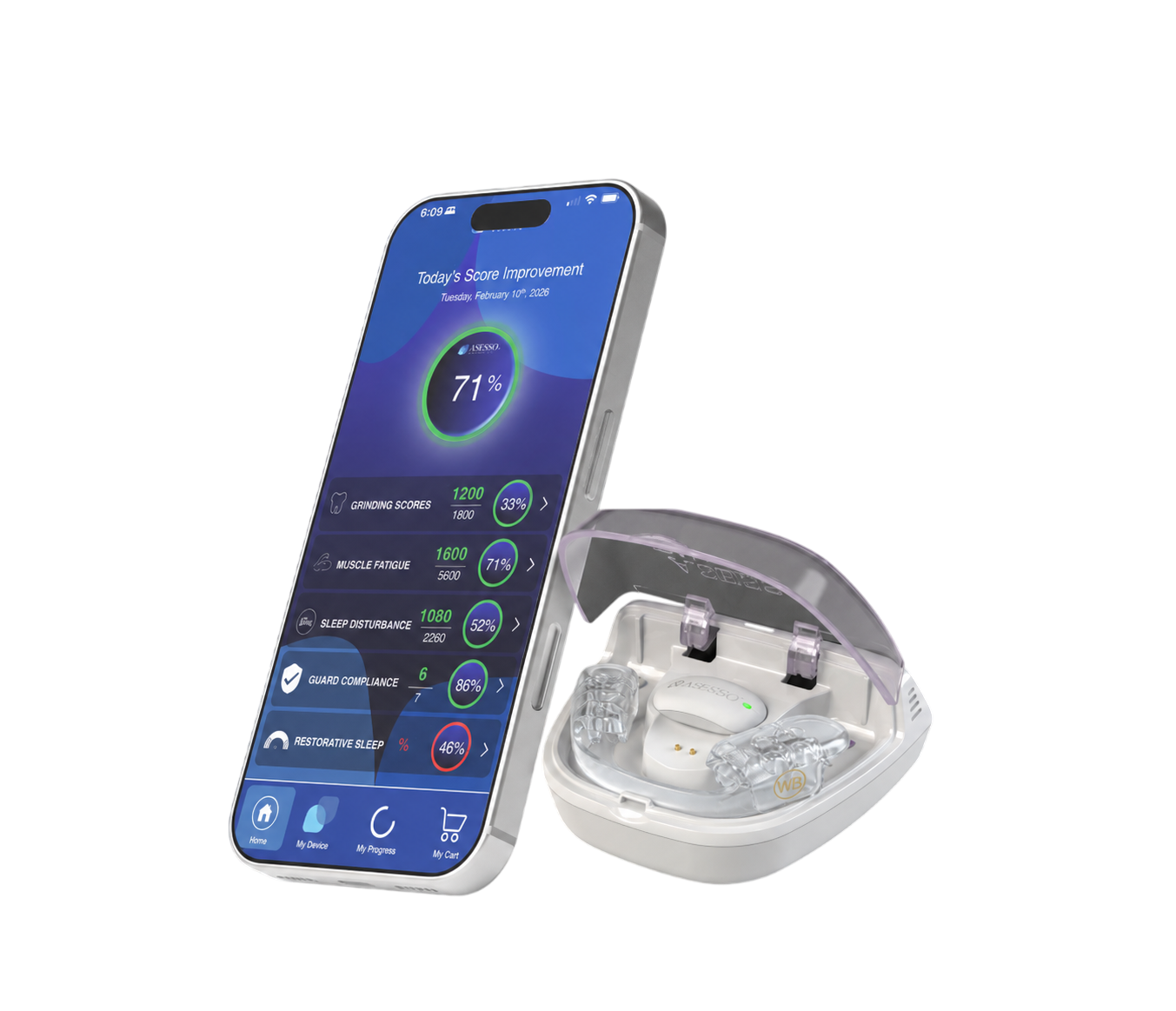
WAKEBRIGHT | If grinding is behind your new sensitivity, the Wakebright Guard protects your remaining enamel from further wear while your dentist addresses any damage that's already occurred.
This article is for informational purposes only and does not constitute medical advice. Consult a licensed dentist or healthcare provider for diagnosis and treatment recommendations specific to your situation.
References
- Mayo Clinic. "Sensitive teeth: What treatments are available?" mayoclinic.org. https://www.mayoclinic.org/healthy-lifestyle/adult-health/expert-answers/sensitive-teeth/faq-20057854
- "Pathogenesis, diagnosis and management of dentin hypersensitivity: an evidence-based overview for dental practitioners." BMC Oral Health, Springer Nature Link. https://bmcoralhealth.biomedcentral.com/articles/10.1186/s12903-020-01199-z
- "Dentin Hypersensitivity: Etiology, Diagnosis and Treatment; A Literature Review." PMC, National Library of Medicine. https://pmc.ncbi.nlm.nih.gov/articles/PMC3927677/
- National Institute of Dental and Craniofacial Research. "Bruxism." nidcr.nih.gov. https://www.nidcr.nih.gov/health-info/bruxism