Why Patient Compliance Kills Night Guard Treatment (And How to Fix It)

A night guard sitting in a nightstand drawer protects nothing. Of everything that determines whether night guard treatment actually works, the appliance itself is often not the limiting factor whether someone actually wears it consistently is. This isn't a minor footnote; it's arguably the single biggest variable in whether bruxism treatment succeeds, and the research on why people stop, and what actually helps, is more specific than "just remember to wear it."
Why Compliance Is the Hidden Variable
A perfectly fitted, ideal-material night guard provides zero protection while it's not in someone's mouth. This sounds obvious, but it's worth stating directly because so much of the conversation around night guards focuses on material choice, fabrication method, and fit precision all genuinely important, but all irrelevant if the guard doesn't get worn consistently enough to matter.
How Common Is Non-Compliance, Really?
Most of the rigorous, objectively measured adherence data in dentistry actually comes from oral appliances used for obstructive sleep apnea (OSA) rather than standard bruxism night guards, since OSA appliances are more often fitted with objective wear-tracking sensors. That research paints a sobering picture: a systematic review found first-year compliance rates for oral appliance therapy ranging enormously from as low as 4% to as high as 76% depending on the study. A more recent longitudinal study using objective temperature-sensor tracking found 80% of patients were adherent at one month, but that dropped to 67.3% by six months before stabilizing.
For standard bruxism night guards specifically, less objective tracking data exists, but a relevant health literacy survey study found a meaningful, direct gap: among people prescribed night guards, those with custom-fitted guards reported wearing them an average of 6.2 nights per week, compared to just 4.1 nights per week for people using over-the-counter guards with higher comfort scores clearly correlating with more consistent use.
What Actually Predicts Whether Someone Wears Their Guard
Research on oral appliance adherence, largely from the OSA literature but broadly applicable, has identified some consistent predictors:
Comfort and fit are the strongest, most consistent factors. Discomfort, particularly pain following adjustments or an ill-fitting appliance, is one of the strongest predictors of poor adherence across dental appliance research. Generally patients who experience real discomfort are considerably more likely to reduce wear or stop using an appliance altogether.
Psychological factors matter more than people expect. Research has found psychological comorbidities are associated with lower adherence to oral appliance therapy, and a patient's self-efficacy and mental health more broadly predict compliance with dental appliances. Simply providing information about why a guard matters doesn't fully overcome these barriers on its own.
Some demographic and clinical factors play a role too. In OSA appliance research specifically, younger age and being married or partnered were associated with better adherence though these findings come from OSA-specific studies and may not translate directly to bruxism-only night guard use.
The first six months are the critical window. Adherence research consistently shows the steepest drop-off happens early within the first several months of starting appliance therapy before leveling off. This suggests early follow-up and troubleshooting matter more than encouragement offered only at the initial fitting.
The Fixes That Have Real Evidence Behind Them
Prioritize comfort in material and fit decisions, not just durability. Given how strongly comfort predicts adherence, a slightly less durable but more comfortable option may produce better real-world protection than a maximally durable guard that ends up in a drawer. This is part of why the choice between hard, soft, and dual-laminate materials should weigh comfort-driven compliance alongside raw durability data.
Use patient education that goes beyond "wear this every night." Research on dental patient compliance broadly has found that patients who clearly understand their role, the risks of non-adherence, and the long-term benefits tend to comply better and that motivational interviewing, a collaborative approach that draws out a patient's own reasons for wanting to follow through, is a genuinely evidence-based technique for improving behavior change in dental settings.
Schedule follow-up specifically to catch early problems. Since adherence research shows the sharpest decline happens in the first several months, a check-in relatively soon after a new guard is delivered not just at the next routine cleaning six months later gives a real opportunity to catch and fix comfort issues before they become a reason to stop wearing it entirely.
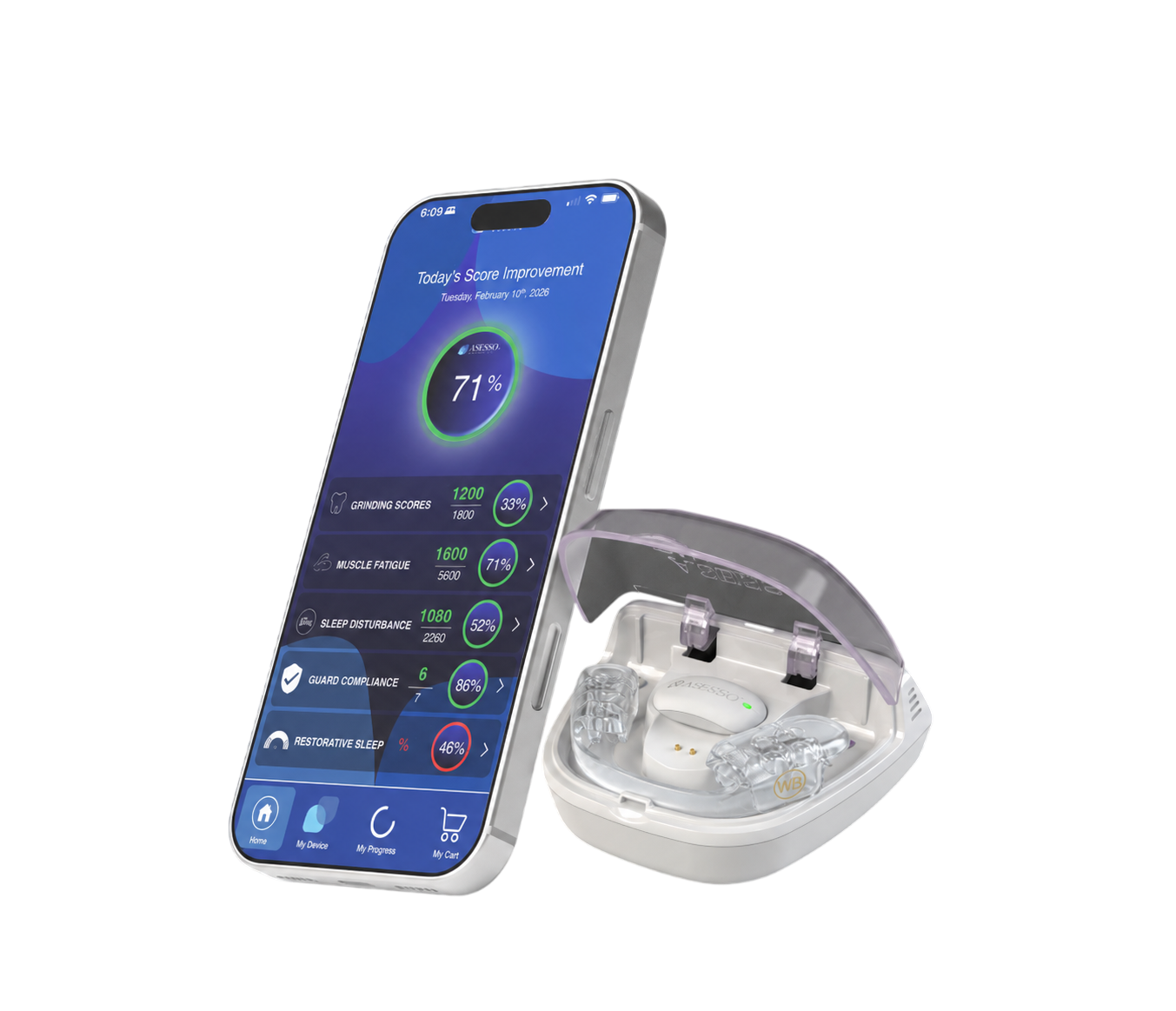
Consider objective monitoring where available. Research on dental and orthodontic compliance has found that patients tend to adhere better when they know their progress is actually being tracked, sensor-equipped appliances, apps, or even simple structured check-ins reinforce accountability. This mirrors a broader shift toward measurable, trackable dental care, discussed in more detail in our piece on the future of data-driven TMD care.
Address psychological barriers directly, not just logistically. If discomfort, forgetfulness, or motivation seem to be genuine barriers beyond simple fit issues, a straightforward conversation about what's actually getting in the way rather than repeating the same instructions is more likely to identify a workable solution.
Compliance Factors and Fixes at a Glance
| Barrier | Evidence-Based Fix |
|---|---|
| Discomfort or poor fit | Prioritize comfort-driven material choice; adjust promptly when reported |
| Forgetting or low motivation | Patient education and motivational interviewing approaches |
| Early drop-off (first 6 months) | Proactive early follow-up, not just routine 6-month checkups |
| Lack of accountability | Objective monitoring tools or structured check-ins where available |
| Underlying psychological barriers | Direct conversation about specific obstacles, not repeated generic reminders |
What This Means for You as a Patient
If you've been prescribed a night guard and find yourself not wearing it consistently, that's genuinely useful information to bring back to your dentist rather than something to feel guilty about privately. Comfort issues, an adjustment period that's dragging on longer than expected, or simply not fully understanding why consistency matters are all fixable but only if your dentist knows they're happening. The research is fairly clear that non-adherence is common and predictable, not a personal failing, and it responds well to specific, practical adjustments rather than just being told to try harder.
What You Can Do Now
- A night guard's effectiveness depends entirely on consistent use inconsistent wear leaves real gaps in protection, not partial protection
- Discomfort, not lack of belief in the treatment, is the most commonly cited reason patients stop using prescribed oral appliances
- Proactive comfort follow-up and realistic expectation-setting genuinely improve long-term adherence
- If you've struggled with compliance, identifying the specific barrier (discomfort, forgetting, perceived lack of effect) is more useful than just resolving to try harder
Frequently Asked Questions
How common is it for patients to stop wearing their night guard?
It's genuinely common research on similar oral appliances (mostly from sleep apnea appliance studies, which have more objective tracking data) has found adherence rates varying widely, with meaningful drop-off often occurring within the first six months of use.
Why do people stop wearing their night guard even when they know it's helping?
Discomfort and poor fit are among the strongest predictors of reduced use, but psychological factors like motivation, stress, and general adherence tendencies also play a real role it's rarely just about remembering.
Does a custom night guard really get worn more consistently than a store-bought one?
Research has found this pattern directly one study found custom guard users reported wearing their guard an average of 6.2 nights per week compared to 4.1 nights for over-the-counter users, with comfort scores correlating strongly with how consistently people wore their guard.
What should I do if my night guard is uncomfortable and I've stopped wearing it?
Go back to your dentist and say so directly. Discomfort is one of the most common, fixable reasons people stop using an appliance, and adjustments, a different material, or a refit can often resolve it rather than the guard simply being abandoned.
Is it normal to need an adjustment period before a night guard feels comfortable?
Some adjustment period is common, particularly for harder materials, but if discomfort persists well beyond the first couple of weeks, that's worth reporting rather than assuming it will eventually resolve on its own.
Can my dentist actually track whether I'm wearing my night guard?
Not typically with standard bruxism night guards today, though objective wear-tracking sensors are already used in some oral appliances (particularly for sleep apnea), and this kind of monitoring technology is becoming more accessible over time.
Does it matter if I only wear my night guard some nights instead of every night?
Partial use still offers some protection on the nights it's worn, but consistency matters for both protecting your teeth reliably and for your dentist to accurately assess whether the guard is working, so it's worth discussing honestly with your dentist rather than only reporting ideal use.
Why does my dentist ask about how I'm actually using my night guard at follow-up visits?
Adherence research shows early problems are the most common reason people stop using an appliance, and catching issues like discomfort or confusion about proper use early on significantly improves the chances of consistent long-term use.
Are psychological factors really relevant to whether I wear a night guard?
Yes, research on oral appliance adherence has found psychological factors like stress, motivation, and self-efficacy meaningfully predict how consistently people use dental appliances, which is why addressing genuine barriers directly tends to work better than repeated generic reminders.
If I've had a night guard for years and stopped wearing it, is it worth starting again?
Yes it's worth revisiting with your dentist why you stopped and whether a different material, fit, or approach might work better for you now, rather than assuming the original guard type is your only option.
Can motivational interviewing actually help with something as simple as wearing a night guard?
It's a genuinely evidence-based technique in dental settings for supporting behavior change generally, and given how much psychological factors influence appliance adherence, a collaborative conversation about your own reasons for wanting consistent use can be more effective than instructions alone.
What's the single most important thing that predicts whether someone sticks with night guard use?
Comfort and fit consistently show up as among the strongest predictors across dental appliance research which is why addressing discomfort quickly, rather than assuming a patient will adjust to an ill-fitting guard over time, matters so much for actual treatment success.
**WAKEBRIGHT | **The Wakebright Guard's fitting process includes follow-up specifically designed to catch comfort issues early, ask your dentist about your own adjustment plan if you've struggled with consistent wear in the past.
This article is for informational purposes only and does not constitute medical advice. Consult a licensed dentist or healthcare provider for diagnosis and treatment recommendations specific to your situation.
References
- "Objective adherence to oral appliance therapy in patients with obstructive sleep apnea: a one-year longitudinal analysis." PubMed, National Library of Medicine. https://pubmed.ncbi.nlm.nih.gov/40556466/
- "Oral appliance therapy in obstructive sleep apnea: Long-term adherence and patients' experiences." PMC, National Library of Medicine. https://pmc.ncbi.nlm.nih.gov/articles/PMC5822544/
- "Patient Compliance in Orthodontic & Restorative Treatment: Strategies That Work." Pocket Dentistry. https://pocketdentistry.com/patient-compliance-in-orthodontic-restorative-treatment-strategies-that-work/
- "Brief Motivational Interviewing in Dental Practice." PMC, National Library of Medicine. https://www.ncbi.nlm.nih.gov/pmc/articles/PMC6631588/