Why Do I Grind My Teeth at Night? 9 Causes Backed by Science

You wake up with a tired, aching jaw. Maybe a dull headache near your temples. Maybe your partner has mentioned a grinding sound in the middle of the night. If you're asking why this is happening, you're dealing with sleep bruxism and the honest answer is that it's rarely caused by just one thing. Research points to a mix of biological, medical, and lifestyle factors that can act alone or stack together. Here are nine of the most well-supported causes.
1. Sleep-Stage Transitions and Microarousals
This is the underlying mechanism behind most sleep bruxism, even when another cause is also at play. Research summarized in a clinical reference from the National Center for Biotechnology Information (NCBI) notes that sleep-related microarousals brief shifts from deeper to lighter stages of sleep correlate closely with sleep bruxism episodes. In other words, grinding often isn't random; it tends to cluster around the moments your brain is transitioning between sleep stages, accompanied by brief increases in brain and cardiovascular activity just before the grinding starts.
This is part of why sleep bruxism is now generally classified as a sleep-related movement pattern rather than a purely "bad habit" ; it's tied to how your nervous system manages sleep itself.
2. Stress and Anxiety
Stress remains one of the most consistently identified contributors to bruxism. The National Institute of Dental and Craniofacial Research (NIDCR) lists psychosocial factors stress, mood, distress, and nervousness among the primary drivers of the condition. Clenching the jaw is a common physical response to tension, and for many people that response carries over into sleep, even when the stressful day itself is long over.
Research has also found that people with sleep bruxism report higher levels of anxiety sensitivity and stress reactivity than non-bruxers, suggesting it's not just situational stress but also individual differences in how people's nervous systems respond to stress that matter.
3. Genetics and Family History
Sleep bruxism runs in families more often than most people realize. According to research summarized by the Sleep Foundation, as many as half of people with sleep bruxism have a close family member who also experiences it. A large genetic association study using Finnish health registry data went further, identifying a specific gene locus (near the MYO3B gene) associated with probable sleep bruxism, along with strong genetic correlations to related conditions like sleep apnea, reflux disease, and psychiatric traits.
This doesn't mean bruxism is purely inherited environment and behavior clearly matter too but it does mean some people are working against a genuine biological predisposition, not just a habit they haven't broken.
4. Obstructive Sleep Apnea
The connection between sleep bruxism and obstructive sleep apnea (OSA) is one of the stronger, better-documented links in the research. A clinical reference from the NCBI Bookshelf notes that approximately 50% of adults with obstructive sleep apnea also have comorbid sleep bruxism, and that in patients with mild to moderate OSA, the frequency of bruxism episodes tracks closely with the severity of their breathing disruptions.
The proposed explanation is that grinding may actually serve a protective function during these episodes some researchers believe the muscle activity associated with bruxism helps reopen the airway following an apnea-related arousal. If you grind your teeth and also snore heavily, feel excessively tired during the day, or have been told you stop breathing briefly during sleep, it's worth discussing a sleep evaluation with your doctor alongside your dentist.
5. GERD (Acid Reflux)
Gastroesophageal reflux disease has a documented association with sleep bruxism, and some researchers propose a similar protective mechanism to the sleep apnea connection: increased jaw muscle activity and swallowing may help clear stomach acid that has moved into the esophagus during sleep. Johns Hopkins Medicine lists GERD among the recognized risk factors for bruxism, and more recent research has continued to find a correlation between sleep bruxism and reflux-related symptoms.
If you have known GERD and also grind your teeth, treating the reflux is sometimes enough to reduce the grinding worth raising with whichever provider manages your reflux care.
6. Certain Medications
A number of prescription medications are associated with an increased risk of bruxism as a side effect. Per clinical research summarized by the NCBI, these include selective serotonin reuptake inhibitors (SSRIs) and serotonin-norepinephrine reuptake inhibitors (SNRIs) common antidepressant classes along with amphetamine-based stimulants and certain antipsychotic medications. The NIDCR similarly notes that medications used to treat depression, seizures, and attention deficit hyperactivity disorder (ADHD) may increase the likelihood of bruxism.
This doesn't mean you should stop a prescribed medication on your own many of these treat conditions that matter far more than the grinding side effect. But it is worth mentioning new or worsening teeth grinding to the prescriber, since dose adjustments or alternative medications are sometimes an option.
7. Recreational Drug Use
Certain recreational and illicit substances are specifically associated with elevated bruxism risk, largely due to their stimulant effects on the central nervous system. Clinical research lists MDMA (ecstasy), cocaine, and methamphetamine among substances with documented links to increased jaw clenching and grinding, through mechanisms similar to how prescription stimulants can trigger the same effect.
8. Alcohol, Caffeine, and Smoking
All three are consistently identified in the research as behavioral risk factors for sleep bruxism, independent of any underlying medical condition. The NIDCR lists alcohol consumption, caffeine intake, and smoking among its core list of bruxism contributors, and Mayo Clinic's self-care guidance specifically recommends avoiding caffeinated beverages and alcohol in the evening as a way to reduce grinding and clenching.
The mechanism isn't fully settled, but all three affect the nervous system and sleep architecture in ways that appear to make bruxism episodes more likely, particularly when consumed close to bedtime.
9. Neurological and Psychiatric Conditions
Several neurological and psychiatric conditions carry an elevated association with bruxism, independent of the medications used to treat them. Johns Hopkins Medicine lists Parkinson's disease, dementia, and Rett syndrome among the recognized associated conditions, while other clinical sources add epilepsy and night terrors to that list. Research has also found that certain Parkinson's medications have a complicated relationship with bruxism acute use of levodopa can temporarily suppress grinding, while chronic use has been associated with an increased likelihood of it developing.
If bruxism develops alongside a new neurological diagnosis, it's a reasonable thing to flag to the treating specialist, since it may factor into overall care planning even if it isn't the primary concern.
The Nine Causes at a Glance
| Cause | Category | Key Point |
|---|---|---|
| Sleep-stage transitions | Mechanism | Grinding clusters around microarousals between sleep stages |
| Stress and anxiety | Psychological | Most consistently identified contributor; individual stress reactivity matters |
| Genetics | Biological | ~50% of sleep bruxers have an affected close relative; specific gene locus identified |
| Obstructive sleep apnea | Medical | ~50% of OSA patients have comorbid bruxism; may serve a protective airway function |
| GERD | Medical | Jaw activity may help clear reflux acid during sleep |
| Certain medications | Pharmacological | SSRIs, SNRIs, stimulants, and antipsychotics are linked to increased risk |
| Recreational drugs | Pharmacological | MDMA, cocaine, and methamphetamine carry documented associations |
| Alcohol, caffeine, smoking | Lifestyle | Evening use specifically linked to more frequent episodes |
| Neurological/psychiatric conditions | Medical | Parkinson's, dementia, epilepsy, and related conditions show elevated association |
What to Do If You Recognize Yourself Here
Most people's grinding traces back to more than one of these causes at once stress plus caffeine, or genetics plus an undiagnosed sleep issue. That's actually useful information, because it means there's often more than one lever to pull. A dentist can assess the physical wear on your teeth and fit a custom night guard to prevent further damage while any underlying cause is identified and addressed. Depending on what's driving your grinding, that might also involve a conversation with your physician about sleep apnea, GERD, or a medication side effect, or simply some adjustments to evening habits like caffeine and alcohol timing.
Frequently Asked Questions
What's the single most common cause of teeth grinding at night?
There isn't one dominant cause sleep bruxism is considered multifactorial, meaning it usually results from a combination of factors rather than a single trigger. Stress and genetics are among the most frequently cited contributors, but sleep-related mechanisms and medical conditions play a major role too.
Can teeth grinding be purely genetic?
Genetics appears to be a real contributing factor research has found a specific gene locus associated with sleep bruxism and notes that about half of sleep bruxers have a close family member with the condition but it's rarely the sole cause. Environmental and lifestyle factors typically interact with genetic predisposition.
Does sleep apnea cause teeth grinding, or does grinding cause sleep apnea?
Neither causes the other directly; they're strongly associated, with about half of adults with obstructive sleep apnea also experiencing sleep bruxism. Some researchers believe grinding may actually be a protective response that helps reopen the airway during an apnea-related arousal, rather than a separate, unrelated problem.
If I stop drinking coffee and alcohol, will my grinding stop?
It may reduce it, particularly if you consume either close to bedtime, but it's unlikely to eliminate grinding entirely if other factors like genetics, stress, or an underlying medical condition are also contributing.
Can antidepressants cause teeth grinding?
Yes SSRIs and SNRIs, common classes of antidepressants, are associated with an increased risk of bruxism as a side effect. Don't stop a prescribed medication without talking to your prescriber first, since there are often ways to manage the side effect while continuing treatment.
Is teeth grinding a sign of a serious health problem?
Not usually on its own, but it can be a signal worth investigating, particularly if it's new or worsening, since it's associated with conditions like sleep apnea and GERD that benefit from proper diagnosis and treatment regardless of the grinding.
Can GERD treatment stop teeth grinding?
For some people whose bruxism is linked to reflux, treating the underlying GERD has been associated with improvement in grinding, though this isn't guaranteed and depends on the individual case.
Why do I grind my teeth more during stressful periods specifically?
Stress triggers physical tension responses, including jaw clenching, and research has found that this response can carry over into sleep even after the immediate stressor has passed, particularly in people with higher stress reactivity.
Should I be worried if my child grinds their teeth at night?
Not usually childhood bruxism is common and many children outgrow it as their permanent teeth come in. If you're concerned about wear or discomfort, a pediatric dentist can evaluate and advise.
Can recreational drug use cause permanent teeth grinding?
Substances like MDMA, cocaine, and methamphetamine are linked to bruxism primarily during and shortly after use due to their stimulant effects; whether grinding persists beyond that depends on individual factors and whether other underlying causes are also present.
Is there a test to find out exactly why I'm grinding my teeth?
Not a single definitive one. A dentist can assess dental wear and clinical signs, but identifying the underlying cause often involves a broader conversation about sleep, stress, medications, and health history and sometimes a referral for a sleep study if apnea is suspected.
Can treating one cause make bruxism worse if another cause is still present?
It's possible for grinding to persist even after addressing one contributing factor if others remain unaddressed, which is part of why a comprehensive approach rather than assuming a single fix tends to work better for most people.
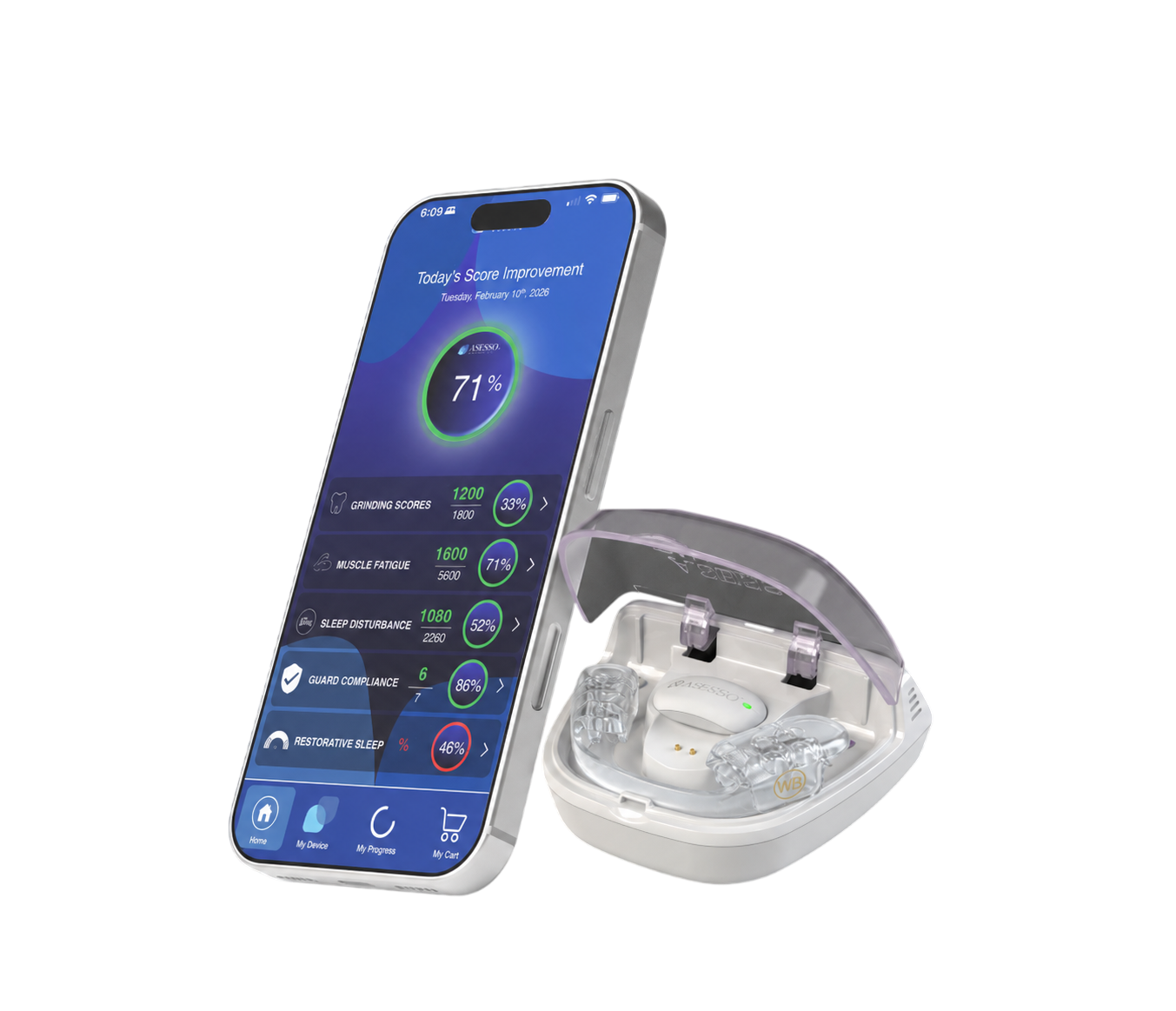
**WAKEBRIGHT | **While you and your dentist work through which of these factors applies to you, the Wakebright Guard protects your teeth from grinding damage in the meantime.
This article is for informational purposes only and does not constitute medical advice. Consult a licensed dentist or healthcare provider for diagnosis and treatment recommendations specific to your situation.
References
- National Institute of Dental and Craniofacial Research. "Bruxism." nidcr.nih.gov. https://www.nidcr.nih.gov/health-info/bruxism
- Guerrero, F. et al. "Bruxism Management." StatPearls, NCBI Bookshelf, National Library of Medicine. https://www.ncbi.nlm.nih.gov/books/NBK482466/
- Sleep Foundation. "Bruxism (Teeth Grinding)." sleepfoundation.org. https://www.sleepfoundation.org/bruxism
- Johns Hopkins Medicine. "Bruxism." hopkinsmedicine.org. https://www.hopkinsmedicine.org/health/conditions-and-diseases/bruxism
- Salo, P. et al. "Genetic analysis of probable sleep bruxism and its associations with clinical and behavioral traits." SLEEP, Oxford Academic. https://academic.oup.com/sleep/article/46/10/zsad107/7143699
- Mayo Clinic. "Teeth grinding (bruxism) – Diagnosis and treatment." mayoclinic.org. https://www.mayoclinic.org/diseases-conditions/bruxism/diagnosis-treatment/drc-20356100