Why $20 Drugstore Night Guards Can Make Your Jaw Pain Worse

It seems like an easy fix: your jaw hurts in the morning, so you grab a $20 boil-and-bite guard from the pharmacy on your way home. A few weeks later, the soreness hasn't improved or it's gotten worse. This isn't a coincidence or bad luck. There's a real, explainable mechanism behind it, and it comes straight from the same logic dentists use to explain why fit matters more than almost anything else with these devices.
The Core Problem: A Bad Fit Doesn't Just Fail to Help It Can Actively Hurt
According to Cleveland Clinic dentist Karyn Kahn, DDS, the fit of a mouthguard is what determines whether it helps or hurts. "If the guard doesn't fit properly, it can make the pain worse," she explains. "A proper fit is what leads to relief not just protecting your teeth but improving the way all the jaw structures work together."
This matters specifically for drugstore guards because, as Dr. Kahn notes, "mouthguards you fit yourself likely won't work as well to keep your bite in line. And if your bite isn't balanced, the guard may make things worse." A $20 boil-and-bite or one-size-fits-all guard is, by definition, a self-fitted appliance which puts it squarely in the category Dr. Kahn is describing.
Why an Uneven Bite Makes Things Worse, Not Better
A properly designed occlusal guard is meant to create a balanced, even relationship between your bite, your jaw joint, and the muscles that move your jaw. Dr. Kahn describes a good stabilization splint as one that can be "adjusted to mimic a functional, healthy bite" helping to balance teeth, muscles, and joints together.
A self-molded drugstore guard skips that adjustment step entirely. If some teeth make firmer contact with the guard than others, your jaw muscles have to work harder and unevenly to accommodate the imbalance the opposite of the relief a properly fitted guard is supposed to provide. Over a full night of wear, that uneven muscle strain can translate directly into the soreness, tension, and fatigue you're trying to avoid in the first place.
The Bite-Shifting Risk With Long-Term Use
Beyond muscle strain, there's a more structural concern. A peer-reviewed survey of over-the-counter bruxism splints, published in the British Dental Journal, searched the FDA's MAUDE adverse event database and found real reports of occlusal changes meaning changes to how your teeth actually fit together associated with these products, alongside reports of tissue damage and choking hazards. The same review found that none of the OTC splint designs it surveyed guaranteed full, even coverage across all your teeth.
This matters because a documented case report in the same journal described a real patient who developed an anterior open bite and increased overjet after wearing a dental appliance with incomplete occlusal coverage for an extended period. Teeth not held in even contact by an appliance can gradually shift position over months of wear exactly the kind of uneven coverage a cheap, self-molded guard is prone to.
Bulk and Thickness Can Strain Your Jaw Overnight
Cheap guards are frequently bulkier than they need to be, since they're not shaped to your specific bite. A guard that's thicker than necessary can force your jaw into a slightly open position for hours at a time not because that's therapeutically useful, but simply because the material is too bulky to allow your jaw to rest naturally. Holding your jaw in an unnatural position all night is itself a source of muscle fatigue, independent of any grinding it's supposed to be preventing.
Soft Material Can Sometimes Backfire Too
Most drugstore guards are made from soft, pliable material. While that makes them comfortable to bite into initially, research on splint materials has found that soft material can, in some patients, encourage more forceful clenching rather than less possibly because the "give" of the material invites more biting pressure than a firmer surface would. For someone whose jaw pain is driven by clenching intensity rather than simple tooth-on-tooth contact, a soft, cheap guard may be reinforcing the very pattern it's meant to interrupt.
Symptom-to-Cause Quick Reference
| What You're Noticing | Likely Guard-Related Cause |
|---|---|
| New or worse jaw soreness after starting a cheap guard | Uneven bite contact overloading specific muscles |
| Jaw feels "stuck" in an odd position, or mouth feels overly open at night | Guard is bulkier than necessary |
| Teeth feel slightly different when they meet, months into use | Possible occlusal shift from uneven coverage |
| Clenching feels more intense, not less | Soft material potentially encouraging more forceful biting |
| Morning headaches that didn't improve, or got worse | Combination of uneven muscle strain and unresolved clenching |
Signs Your Cheap Guard Might Be the Problem
Per Cleveland Clinic's guidance, it's worth reconsidering a self-fitted guard if you notice:
- Jaw pain that started or worsened after you began using it
- A sense that your bite feels "off" or different since you started wearing it
- Persistent morning soreness despite consistent use
- The guard itself feels loose, uneven, or shifts noticeably during the night
None of these mean something is permanently wrong they're signals that the appliance itself may be working against you, which is a fixable problem.
What Actually Helps
Dr. Kahn is direct about the fix: "If your provider recommends a mouthguard, a custom fit from an oral healthcare provider, rather than an over-the-counter appliance, will serve you best." A properly adjusted, custom-fitted guard is built specifically to establish what she calls "harmony between your jaw joint, teeth and muscles" the exact thing a self-molded guard structurally can't guarantee.
If jaw pain persists despite a well-fitted guard, Cleveland Clinic notes that additional approaches lifestyle changes like reducing stress and cutting back on caffeine and alcohol, physical therapy, and in some cases Botox for overactive jaw muscles can be part of a broader plan alongside the guard itself.
Frequently Asked Questions
Can a cheap night guard really make my jaw pain worse, not just fail to help?
Yes this isn't just a marketing claim. A Cleveland Clinic dentist specifically states that a poorly fitted guard "can make the pain worse," since an uneven bite against the guard causes your jaw muscles to work harder and unevenly rather than relaxing.
Why would a self-molded guard fit worse than a custom one?
A self-molded guard is shaped roughly by biting into softened material at home, without any professional adjustment for how your teeth meet. A custom guard is built from a precise impression and specifically adjusted to create even contact across your bite a step a self-fitted guard skips entirely.
Can an over-the-counter guard actually shift my teeth?
It's a documented, real risk with long-term use, particularly since research surveying OTC bruxism splints found none of the designs studied guaranteed full, even coverage across all teeth. A published case report specifically documented this outcome after extended use of a partial-coverage appliance.
How would I know if my drugstore guard is making things worse?
Watch for jaw pain that began or worsened after you started using it, a bite that feels different than before, or persistent morning soreness despite regular use. These are signs the guard's fit not the concept of wearing a guard may be the problem.
Is soft material worse than hard material for jaw pain specifically?
Not universally, but some research has found soft splint material can, in certain patients, encourage more forceful clenching rather than reducing it. This is one of several reasons material choice should ideally be part of a professional recommendation rather than a default drugstore purchase.
If my jaw only hurts sometimes with the drugstore guard, is it still a problem?
It's worth paying attention to, even if the pain isn't constant. Intermittent soreness tied to nights you wear the guard is still a signal that the fit may be contributing, rather than something to dismiss as unrelated.
Should I stop using my drugstore guard immediately if my jaw hurts?
It's reasonable to stop and see if symptoms improve, then have a dentist evaluate your bite and jaw before starting any new appliance. If pain is severe or persistent, don't wait to bring it up with a dentist.
Can a bulky night guard really affect my breathing or sleep quality?
A guard that's thicker than necessary can force your jaw into an unnaturally open position for hours, which can affect comfort and potentially disrupt sleep quality, independent of its effect on jaw muscles specifically.
Does this mean all over-the-counter guards are unsafe?
Not necessarily for short-term or occasional use, but the documented risks around fit, occlusal coverage, and material response are real enough that long-term, unsupervised use isn't advisable particularly if you're already experiencing jaw pain a cheap guard was meant to fix.
What should I ask a dentist if I think my night guard is part of the problem?
Ask them to check your bite contact with the guard in place, assess whether the material and thickness suit your specific grinding pattern, and evaluate whether any TMJ symptoms have developed or changed since you started using it.
Is a custom guard guaranteed to fix jaw pain that a cheap guard caused?
Not guaranteed, since jaw pain can have multiple contributing causes, but a custom, properly adjusted guard removes the specific fit-related mechanisms uneven bite contact, bulk, and inconsistent coverage that a self-molded guard can introduce.
How long does it typically take to notice if a night guard is helping or hurting?
It varies, but persistent or worsening symptoms after a few weeks of consistent use are a reasonable signal to have the fit evaluated, rather than assuming more time will resolve it.
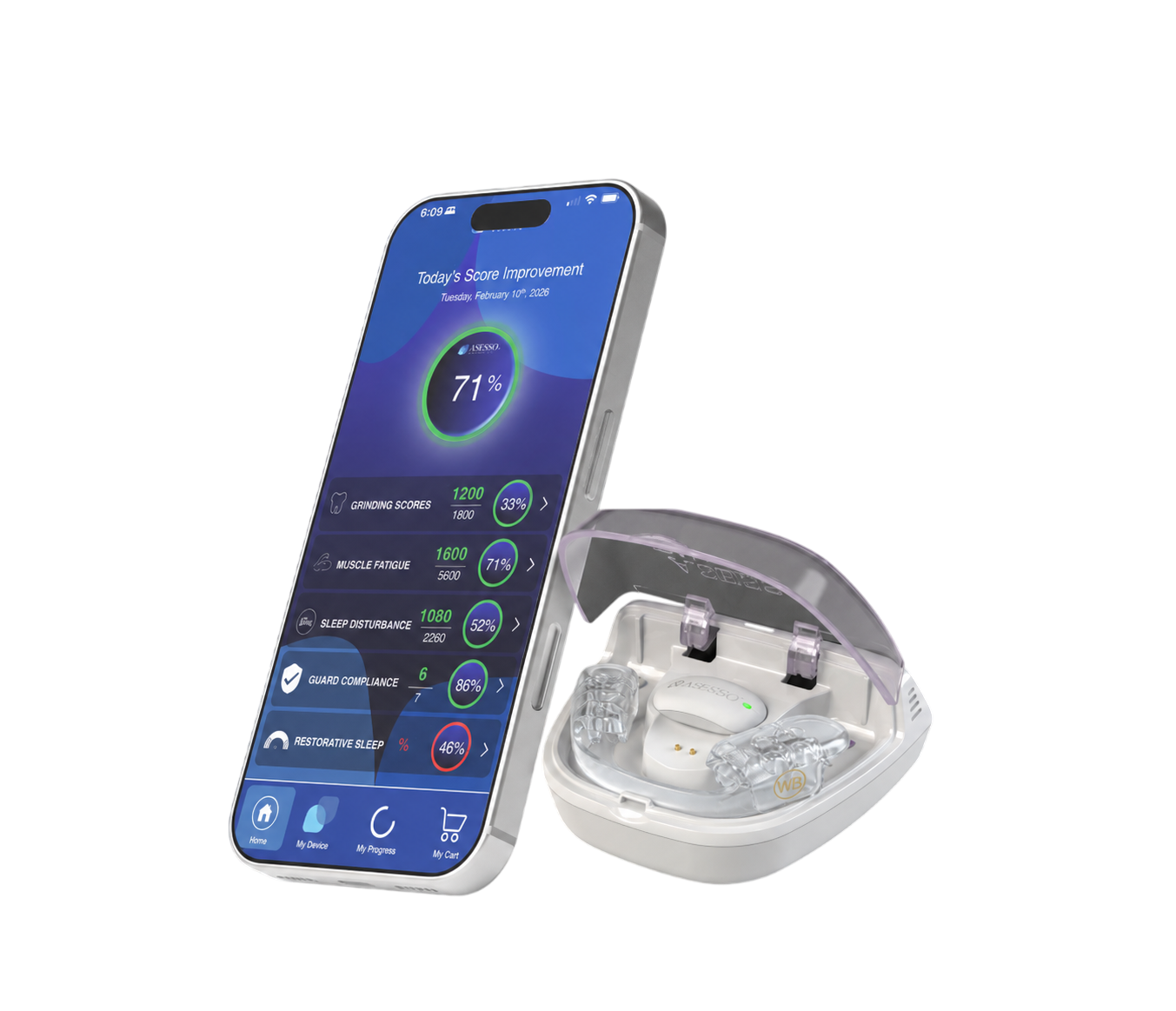
**WAKEBRIGHT | **The Wakebright Guard starts with a proper evaluation to screen for exactly the conditions that make a generic drugstore guard risky ask your dentist about getting a fit that's actually right for your jaw.
This article is for informational purposes only and does not constitute medical advice. Consult a licensed dentist or healthcare provider for diagnosis and treatment recommendations specific to your situation.
References
- Cleveland Clinic. "Can a Mouthguard Help TMJ Pain?" (featuring Karyn Kahn, DDS). health.clevelandclinic.org. https://health.clevelandclinic.org/should-you-use-a-dental-mouthguard-for-your-jaw-pain
- Wassell, R.W. et al. "Over-the-counter (OTC) bruxism splints available on the Internet." British Dental Journal, Nature. https://www.nature.com/articles/sj.bdj.2014.452
- "Dental appliances with inadequate occlusal coverage: a case report." British Dental Journal, PubMed, National Library of Medicine. https://pubmed.ncbi.nlm.nih.gov/21311530/
- National Institute of Dental and Craniofacial Research. "TMD (Temporomandibular Disorders)." nidcr.nih.gov. https://www.nidcr.nih.gov/health-info/tmd