What Happens If You Don't Wear a Night Guard for Teeth?

Maybe it's uncomfortable. Maybe it's easy to forget on a tired night. Maybe you've stopped altogether because nothing seemed to happen right away. Whatever the reason, skipping a prescribed night guard is common but the consequences build quietly and can take real dental work to undo. Here's an honest look at what actually happens, on what kind of timeline, and what's still fixable versus what isn't.
Why Nothing Seems to Happen at First
This is the core reason people stop wearing their guard: the damage from grinding is cumulative, not immediate. One night without protection doesn't crack a tooth or wear through enamel. That delayed feedback loop is exactly what makes bruxism dangerous to under-treat there's no obvious signal telling you the damage is accumulating until it's already substantial. By the time symptoms are noticeable, real structural change has usually already occurred.
What Happens to Your Teeth
Enamel wear, gradually. Grinding forces are considerably higher than normal chewing forces, and without a guard to absorb that pressure, it goes directly into your tooth enamel the hardest substance in your body, but not infinite. Once it's worn away, it doesn't grow back. Early signs include increased sensitivity to hot, cold, or sweet foods, and visibly flatter or shorter teeth compared to before.
Cracks and fractures. As enamel thins and teeth take on more direct force, the risk of chips, cracks, and outright fractures increases. This can escalate quickly from a minor annoyance to a dental emergency, particularly for a tooth that's already had prior dental work.
Damage to existing restorations. If you have fillings, crowns, veneers, or other dental work, unprotected grinding puts them at increased risk of chipping, loosening, or failing outright often meaning repeated repairs rather than a one-time fix.
Shifting teeth and bite changes. Sustained, uneven grinding force can gradually shift tooth position over time, in some cases altering your bite (malocclusion) in ways that go beyond the original grinding problem.
What Happens to Your Jaw and Muscles
Muscle fatigue and soreness. The jaw muscles doing the grinding work overtime without a guard to reduce the load, which shows up as morning jaw tiredness, tension, or soreness that can persist through the day.
TMJ involvement over time. Chronic, unprotected grinding is associated with the development or worsening of temporomandibular joint (TMJ) problems clicking, popping, restricted opening, or jaw pain that extends beyond simple muscle fatigue.
Headaches. Tension headaches, particularly noticeable in the morning or concentrated around the temples, are a common downstream effect of sustained jaw muscle strain and one that's easy to misattribute to something else entirely (stress, posture, screen time) rather than tracing back to grinding.
What Happens to Your Sleep
Sleep bruxism itself can fragment sleep quality, involving brief arousals that interrupt deeper sleep stages even if you don't fully wake up. Left unaddressed, this can contribute to daytime fatigue independent of whatever's driving the grinding in the first place. If a sleep partner is present, grinding sounds can also disrupt their sleep, which is often how people first learn they grind at all.
A Realistic Timeline
There's no universal schedule it depends heavily on how forcefully and frequently you grind but a general pattern shows up across dental literature and clinical experience:
- Early (weeks to months of inconsistent guard use): Increased tooth sensitivity, morning jaw soreness, possibly headaches. Often dismissed or attributed to something else.
- Months to a couple of years: Visible enamel wear, minor chips, existing restorations showing new wear or damage, jaw discomfort becoming more consistent.
- Longer-term, unaddressed: Cracked or fractured teeth requiring restorative work, more significant TMJ symptoms, bite changes, and in more severe, prolonged cases tooth loss.
The exact pace varies enormously between people, which is part of why "nothing bad has happened yet" isn't a reliable sign that skipping the guard is fine it may simply mean you're still early in that timeline.
What's Reversible, and What Isn't
This distinction matters for how urgently to take a lapse in guard use:
- Reversible or manageable: Muscle soreness, jaw tension, and many headache patterns typically improve once grinding is protected against or its underlying cause is addressed.
- Not reversible: Enamel loss doesn't regenerate. Once it's gone, the options are managing sensitivity and protecting what remains, or restorative treatment (bonding, crowns) to rebuild the lost structure not a return to the original tooth.
- Depends on severity and timing: Cracked teeth may be restorable with prompt treatment; delayed treatment increases the risk of needing more invasive work, or in severe cases, extraction. Bite shifts and TMJ changes range from manageable to requiring more involved orthodontic or specialist treatment depending on how far they've progressed.
A Note on Consistency, Not Perfection
If you've missed a few nights, that's not a crisis the damage described here comes from sustained, repeated unprotected grinding, not an isolated lapse. The goal is consistent use, not flawless use. That said, patterns matter: if "occasionally forgetting" has become "rarely wearing it," that's worth being honest with yourself about, since it puts you on the cumulative-damage timeline described above rather than the protected one.
One Honest Caveat About Guards Themselves
Wearing a guard consistently is generally the right move if one's been prescribed, but it's worth knowing a guard isn't automatically risk-free or universally appropriate for everyone. As covered in more depth elsewhere on unmanaged sleep apnea and TMD, a standard guard can occasionally be a poor fit for certain underlying conditions, which is part of why the initial diagnosis and fitting from a dentist matters self-selecting an over-the-counter option without that evaluation carries its own, different set of risks.
Effects Beyond Teeth and Jaw
A few consequences of unprotected grinding get less attention than tooth wear and jaw pain, but are worth knowing about:
- Gum irritation and recession. Forceful clenching can put stress on the gum line around heavily-loaded teeth, and some patients notice increased gum sensitivity or recession in areas of concentrated grinding force over time.
- Cheek and tongue changes. Related muscle tension and clenching patterns can show up as visible ridges along the tongue's edges or a whitish line on the inside of the cheeks soft-tissue markers a dentist checks for during an exam, separate from tooth wear itself.
- Facial appearance, over the long term. Significant, prolonged tooth wear can subtly alter bite height and jaw position, which in more severe, longstanding cases has been associated with changes in lower facial proportions a slow, cumulative effect rather than something noticeable in the short term.
None of these are reasons to panic over a short lapse in guard use, but they round out the fuller picture of what "cumulative damage" actually includes beyond the teeth themselves.
Comparing Consistent Use vs. Skipping
| Consistent Guard Use | Skipping/Inconsistent Use | |
|---|---|---|
| Enamel | Protected from grinding force | Gradual, irreversible wear |
| Existing dental work | Protected | Increased risk of chips, loosening, failure |
| Jaw/TMJ | Reduced strain | Cumulative strain, possible TMJ involvement over time |
| Headaches | Often reduced | May persist or worsen, often unrecognized as grinding-related |
| Sleep quality | Less disrupted by grinding-related arousals | Potentially more fragmented sleep |
| Cost over time | Predictable guard replacement | Unpredictable from minor restorative work to major dental treatment |
What to Do If You've Fallen Off Track
- Start wearing it again, tonight, rather than waiting for a "clean slate" moment. There's no benefit to further delay.
- If it's been damaged, lost, or no longer fits well, don't just tough it out get it checked or replaced rather than skipping in the meantime.
- If discomfort is why you stopped, say so at your next appointment. A fit issue is usually fixable, and "it was uncomfortable so I stopped" is common enough that dentists expect and can address it.
- If real damage has already occurred, get it evaluated soon rather than later. Catching a crack or significant wear early generally means simpler, less invasive treatment than waiting.
Frequently Asked Questions
How quickly does damage happen if I stop wearing my night guard?
It varies enormously by how forcefully and often you grind, but damage is cumulative rather than immediate noticeable effects often take weeks to months to appear, with more significant damage developing over a longer, unaddressed period.
Is it a big deal if I miss a few nights with my night guard?
Not generally the damage described here results from sustained, repeated unprotected grinding, not an isolated lapse. Consistency over time matters more than perfection on any single night.
Can enamel damage from grinding be reversed?
No enamel doesn't regenerate once lost. Treatment options focus on managing sensitivity, protecting remaining enamel, or restoring lost structure with bonding or crowns, rather than reversing the original damage.
Will my jaw pain go away if I start wearing my guard again after a break?
Muscle soreness and jaw tension often improve once grinding is protected against again, though more established TMJ issues may need direct evaluation and treatment beyond just resuming guard use.
How do I know if my headaches are actually from teeth grinding?
It's easy to misattribute grinding-related headaches to stress, posture, or screen time. If headaches are frequent, worse in the morning, or accompanied by jaw soreness, it's worth mentioning to your dentist alongside any grinding history.
Can I just replace my night guard with an over-the-counter one if my custom one breaks?
It's better than nothing short-term, but it's not a like-for-like replacement an OTC guard's fit is far less precise, and if you have any underlying condition affecting guard suitability, that evaluation doesn't carry over. Getting your custom guard repaired or replaced properly is the better long-term move.
Does stopping my night guard mean my bruxism is getting worse?
Not necessarily grinding frequency and severity depend on the underlying cause, which may or may not have changed. But stopping the guard does remove your protection regardless of whether the underlying grinding pattern itself has changed.
What's the very first sign that skipping my guard is causing problems?
Increased tooth sensitivity to hot, cold, or sweet foods, and morning jaw soreness, are typically among the earliest noticeable signs, though they're easy to dismiss or attribute to something else.
Is it ever medically necessary to skip a night guard?
In rare cases, yes certain underlying conditions can make a standard guard inappropriate, which is part of why a dentist's evaluation matters rather than self-managing guard use entirely on your own.
What should I tell my dentist if I've stopped wearing my guard?
Be straightforward about why discomfort, forgetting, or something else — since the reason shapes the fix. A comfort issue often just needs an adjustment, while damage from the lapse needs its own separate evaluation.
What You Can Do Now
- Damage from skipping a night guard is cumulative, not immediate which is exactly what makes it easy to keep skipping
- Worn enamel doesn't grow back; cracked teeth and jaw strain take real dental work to address
- A single missed night isn't a crisis sustained inconsistency is what causes the real risk
- If you've fallen out of the habit, start wearing it again tonight rather than waiting for a clean slate
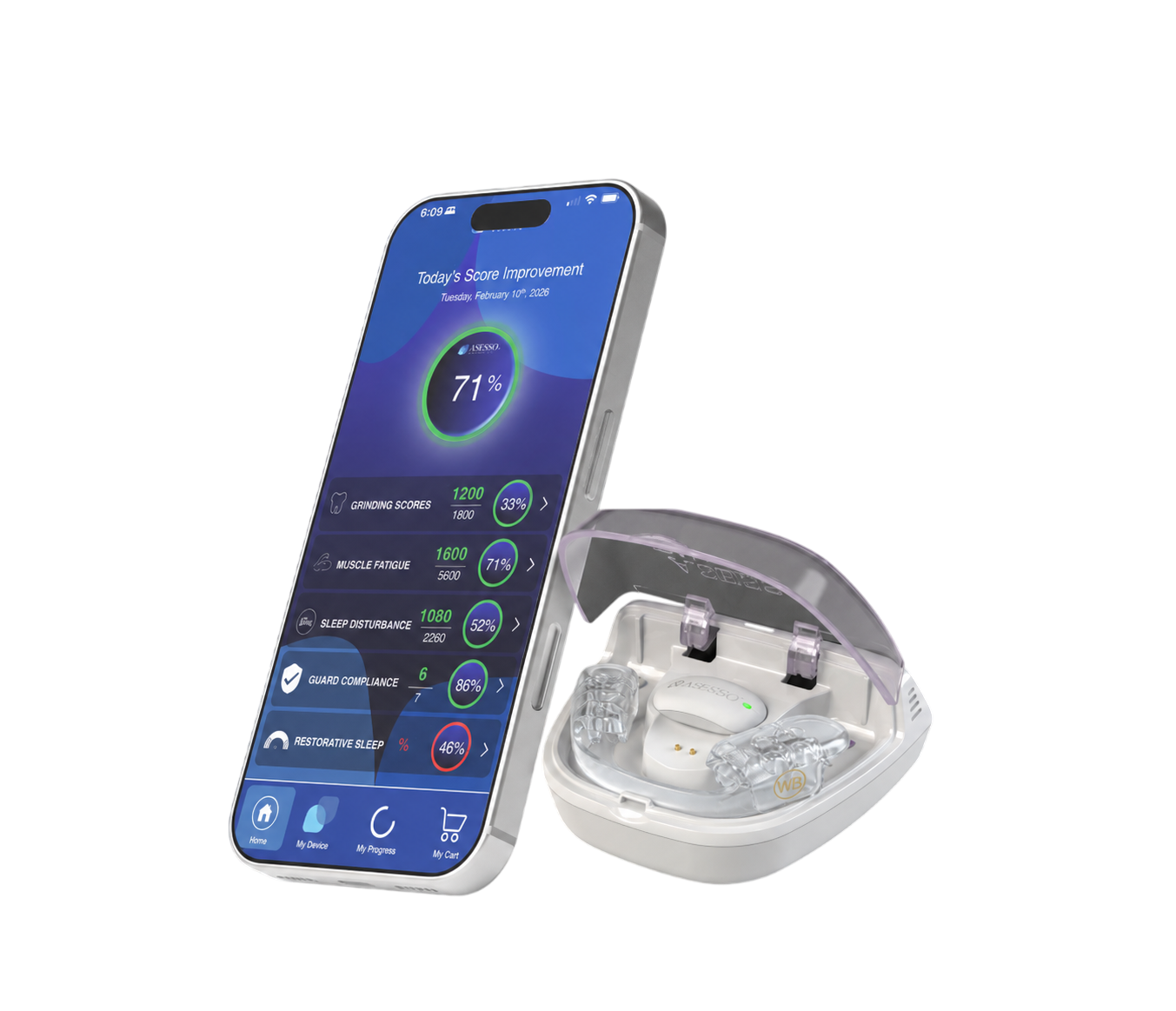
WAKEBRIGHT | If discomfort is why you stopped wearing your guard, the Wakebright Guard is designed for a comfortable, consistent fit that's easier to stick with night after night.
This article is for informational purposes only and does not constitute medical advice. Consult a licensed dentist for guidance specific to your grinding pattern and any damage that may have already occurred.
References
- Cleveland Clinic. "TMJ Disorders: Symptoms, Treatment & Prevention." my.clevelandclinic.org. https://my.clevelandclinic.org/health/diseases/15066-temporomandibular-disorders-tmd-overview
- American Dental Association / MouthHealthy. "Mouthguards." mouthhealthy.org. https://www.mouthhealthy.org/all-topics-a-z/mouthguards