The Cost of Untreated Bruxism

A custom night guard costs a few hundred dollars. A cracked molar that needs a crown costs more. A tooth that can't be saved and needs an implant costs more still. Untreated bruxism doesn't stay a small problem, it's a habit that quietly compounds, both in the damage it does and in what that damage costs to fix. This article walks through what actually happens, dentally and financially, when teeth grinding goes unaddressed, and why the math almost always favors treating it early.
Why Bruxism Often Goes Untreated
Bruxism is easy to ignore because it's easy not to notice. The National Institute of Dental and Craniofacial Research (NIDCR) notes that many cases are mild and don't need treatment, and because grinding frequently happens during sleep, plenty of people find out only when a dentist spots the wear during a routine exam or when something finally breaks. There's no dramatic single moment that signals "this needs attention now." Instead, it's cumulative: a little more flattening on the molars this year than last, a filling that chips instead of holding, a jaw that's sore more mornings than not.
That gradual quality is exactly what makes untreated bruxism expensive. Damage that would have been simple and cheap to prevent becomes damage that requires actual repair.
The Dental Cost of Waiting
Left alone, bruxism tends to move through a fairly predictable progression, and the cost climbs at each stage.
Enamel wear and sensitivity. The earliest damage is often invisible without a dental exam flattened cusps, thinning enamel, and new sensitivity to hot, cold, or sweet foods. At this stage, treatment is usually as simple as a custom night guard, generally in the low hundreds of dollars, plus behavior changes like stress management and reducing evening caffeine and alcohol, which Mayo Clinic lists among the standard self-care steps for bruxism.
Chips, cracks, and fractures. Once enamel wear progresses, teeth become more prone to chipping or cracking under the repeated force of grinding, and existing fillings or crowns start failing early. A cracked tooth typically needs a filling, a bonded repair, or if the crack is deeper a full crown, which national cost data generally puts in the $800–$2,500 range per tooth depending on material, before insurance.
Nerve damage and root canals. If a crack or fracture reaches the inner pulp of the tooth, or if grinding forces the tooth into a chronic inflammatory state, a root canal may become necessary to save it. Root canals run roughly $700–$1,800 depending on which tooth is involved, and molars the teeth that take the brunt of grinding forces sit at the higher end. A crown typically follows a root canal, adding another $800–$2,000 on top.
Tooth loss and replacement. In more severe, long-untreated cases, a tooth can crack below the gumline, lose enough supporting bone from chronic pressure, or simply fail beyond repair. Replacing a single tooth with an implant, abutment, and crown generally runs $3,000–$5,000 or more by far the most expensive point on this progression, and the one that's hardest to reverse.
Beyond Teeth: TMJ, Headaches, and Quality of Life
The financial cost is only part of the picture. Chronic grinding and clenching place ongoing strain on the temporomandibular joint (TMJ) the joint connecting your jaw to your skull and the muscles that control it. Over time this can contribute to jaw stiffness, painful clicking or popping, and the kind of TMJ disorder (TMD) that involves real difficulty chewing or opening the mouth fully, per the NIDCR's overview of TMD symptoms and causes.
Bruxism is also a common source of tension-type headaches and facial pain, particularly noticeable first thing in the morning after a night of grinding. None of this shows up on an invoice, but it affects sleep quality, concentration, and day-to-day comfort in ways that are just as real as a cracked tooth.
Emerging Research: Bruxism and Whole-Body Health
A newer area of research is looking at whether sleep bruxism connects to broader cardiovascular health. Sleep bruxism frequently overlaps with sleep-related breathing problems, and a systematic review published in the Journal of Clinical Medicine found a plausible biological pathway linking sleep bruxism to sympathetic nervous system overactivity, disrupted heart rate patterns, and increased cardiovascular risk markers. The review's authors were careful to note this is based mostly on smaller observational studies, and a cause-and-effect relationship hasn't been firmly established. It's a reason to take chronic grinding seriously and mention it to your healthcare provider not a cause for alarm on its own.
Prevention vs. Repair: The Numbers Side by Side
| Stage | What's Involved | Typical Cost Range* |
|---|---|---|
| Prevention (custom night guard) | Impressions, lab fabrication, fitting appointment | $300–$800 |
| Chip or crack repair | Bonding or a single crown | $800–$2,500 per tooth |
| Root canal (if damage reaches the nerve) | Root canal plus crown | $1,700–$3,800 per tooth |
| Tooth loss (implant replacement) | Implant, abutment, and crown | $3,000–$5,000+ per tooth |
*National U.S. estimates before insurance; actual fees vary by dentist, region, and case complexity. Ask your dental office for a specific quote.
The pattern is consistent across national cost data: the earliest intervention is reliably the least expensive one, and each stage of untreated damage costs several multiples more than the stage before it without even accounting for the additional appointments, potential lost work time, and discomfort involved in more extensive repairs.
Warning Signs Worth Getting Checked
You don't need to wait for a cracked tooth to bring bruxism up with your dentist. Common early signs include:
- Waking up with a sore or tired jaw
- Dull headaches concentrated near the temples, especially in the morning
- Teeth that look flatter or shorter than they used to
- New sensitivity to hot, cold, or sweet foods
- A partner mentioning grinding or clicking sounds while you sleep
- Unexplained chips in teeth or repeated filling failures
If any of these sound familiar, it's worth mentioning at your next dental visit even if nothing feels urgent yet.
What Treatment Actually Involves
The good news is that treating bruxism early is neither complicated nor expensive relative to what it prevents. Per NIDCR and Mayo Clinic guidance, first-line approaches typically include:
- A custom night guard or splint to physically separate the teeth during sleep and absorb grinding force
- Behavior changes reducing caffeine and alcohol in the evening, not smoking, and building in reminders to relax the jaw during the day
- Stress management since psychosocial stress is one of the most consistently identified contributors to bruxism, relaxation techniques, exercise, or counseling can meaningfully reduce symptoms
- Treating underlying conditions, such as a sleep-related breathing disorder, if one is contributing to nighttime grinding
Medications are generally not considered a first-line treatment for bruxism itself Mayo Clinic notes evidence for their effectiveness is limited so the emphasis stays on protecting the teeth and addressing contributing factors.
What You Can Do Now
- Prevention (a night guard) is a bounded, predictable cost; repair work from untreated grinding is not
- A single cracked tooth needing a root canal and crown can cost more than several years of guard replacements combined
- Tooth loss and implant costs represent the most expensive realistic outcome of severe, prolonged untreated grinding
- Insurance and FSA/HSA eligibility often apply to both prevention and repair, so coverage isn't a reason to delay treatment
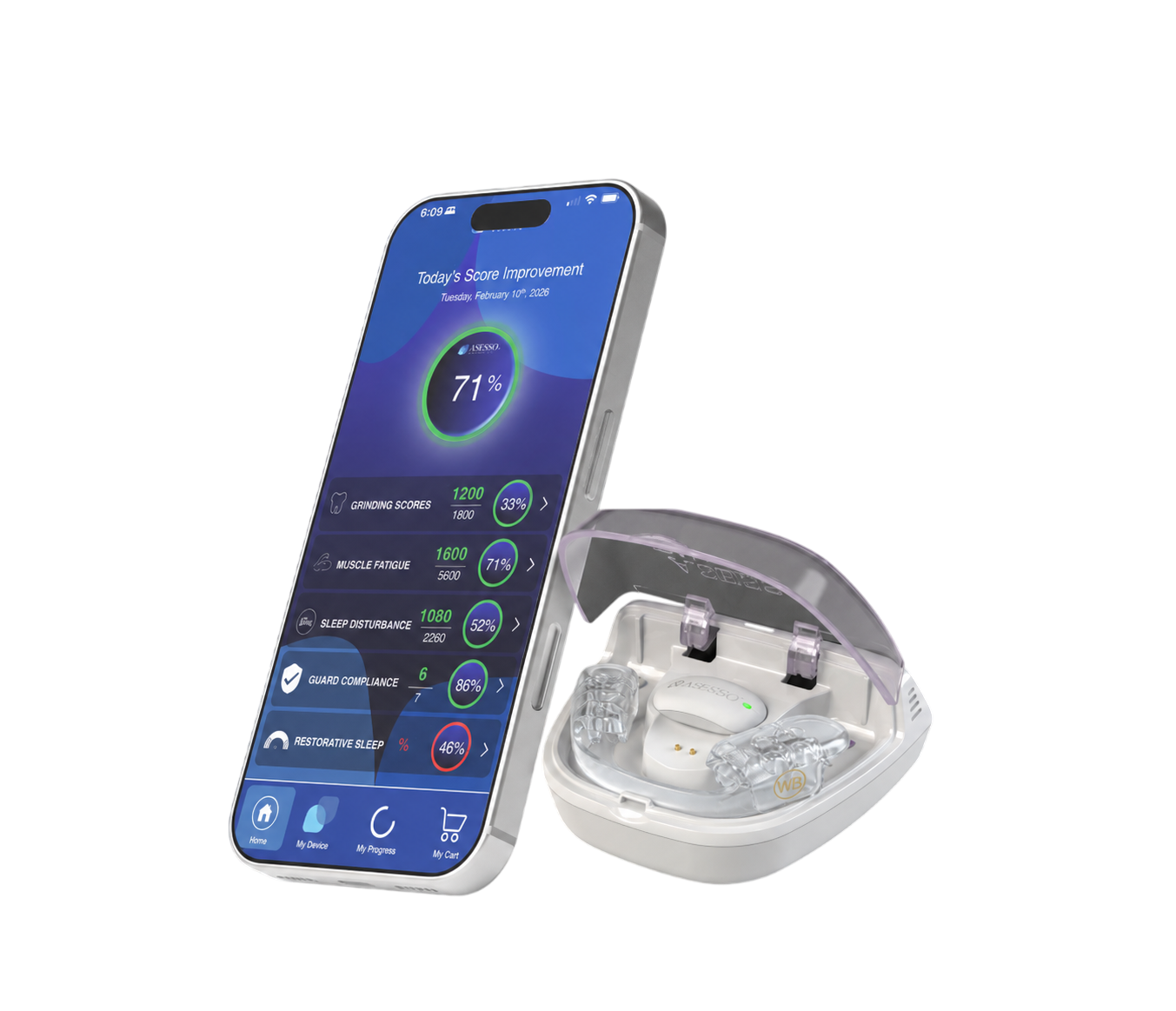
WAKEBRIGHT | The Wakebright Guard is priced as a predictable, one-time investment specifically to avoid the far less predictable cost of repair work down the line, ask your dentist whether it's the right fit for your grinding pattern.
Frequently Asked Questions
How much does untreated bruxism actually cost over time?
It depends entirely on how far the damage progresses, but the pattern is consistent: a night guard in the low hundreds of dollars can prevent damage that otherwise costs thousands in crowns, root canals, or implants if left untreated long enough.
Is a night guard really cheaper than doing nothing?
Yes, in almost every case. A custom night guard is a one-time or occasional cost, while untreated grinding creates ongoing damage that typically requires more expensive repairs and often multiple rounds of them, since grinding can also damage new dental work.
Can bruxism damage existing crowns or fillings?
Yes. Existing restorations are often the first thing to fail under grinding forces because they don't have the same natural give as unrestored tooth structure. Patients with multiple crowns or veneers may see repeated, escalating repair costs if grinding isn't addressed.
Does dental insurance cover night guards?
Many plans cover all or part of a custom night guard when bruxism is documented, and night guards are typically eligible for FSA/HSA reimbursement. Check your specific plan, since coverage varies.
How do I know if my jaw pain is from bruxism or something else?
A dentist can usually tell from a combination of your symptoms, the wear pattern on your teeth, and a jaw examination. Jaw pain can also come from other causes, like TMJ disorders unrelated to grinding, so it's worth getting an actual exam rather than guessing.
Can bruxism cause permanent tooth loss?
In severe, long-untreated cases, yes. Chronic grinding can crack teeth below the gumline or damage the supporting bone and gum tissue enough to threaten a tooth's survival, though this is generally the end stage of years of unaddressed damage rather than a quick outcome.
Is untreated bruxism linked to heart health?
Emerging research has found a biological pathway connecting sleep bruxism to markers of cardiovascular strain, but this is based on smaller studies and isn't a confirmed cause-and-effect relationship. It's a reason to take chronic grinding seriously, not a diagnosis in itself.
Can children's bruxism be left untreated?
Many children outgrow bruxism as their permanent teeth come in, and treatment usually isn't needed unless there's significant wear or discomfort. A dentist can monitor it at regular checkups.
What's the cheapest way to protect my teeth from grinding right now?
A custom-fitted night guard from a dentist is the most reliable low-cost option relative to what it prevents. Over-the-counter boil-and-bite guards are cheaper upfront but generally don't fit as precisely or hold up as long.
Will a night guard stop me from grinding my teeth?
Not necessarily it protects the teeth from the damage of grinding, but it doesn't always stop the underlying muscle activity. That's why it's often paired with stress management or treatment of an underlying cause like a sleep disorder.
How often should I see a dentist if I know I grind my teeth?
Standard six-month checkups are usually sufficient for a dentist to monitor wear and catch new damage early, unless your dentist recommends more frequent visits based on the severity of your case.
At what point does untreated bruxism become an emergency?
A sudden sharp pain, a visibly cracked or broken tooth, or a tooth that becomes loose warrants prompt dental attention rather than waiting for a routine visit. Gradual wear or morning jaw soreness, while worth addressing, is not typically an emergency.
The Bottom Line
Untreated bruxism rarely stays a minor issue. It tends to move slowly, then sometimes suddenly from invisible wear to a chipped tooth, from a chipped tooth to a root canal, and in the more severe cases, from a root canal to an implant. At every stage, the cost of the next step up is higher than the one before it, and none of those later stages undo the discomfort of getting there.
If you suspect you're grinding your teeth, or a dentist has already mentioned it at a past visit, the least expensive time to act is now. The team at Aesso Healthcare can evaluate your specific wear pattern and talk through what a night guard or other early intervention would look like for your case.
This article is for informational purposes only and does not constitute medical advice. Consult a licensed dentist or healthcare provider for diagnosis and treatment recommendations specific to your situation.
References
- National Institute of Dental and Craniofacial Research. "Bruxism." nidcr.nih.gov. https://www.nidcr.nih.gov/health-info/bruxism
- National Institute of Dental and Craniofacial Research. "TMD (Temporomandibular Disorders)." nidcr.nih.gov. https://www.nidcr.nih.gov/health-info/tmd
- Mayo Clinic. "Teeth grinding (bruxism) – Diagnosis and treatment." mayoclinic.org. https://www.mayoclinic.org/diseases-conditions/bruxism/diagnosis-treatment/drc-20356100
- Wieckiewicz, M. et al. "Cardiovascular Implications of Sleep Bruxism—A Systematic Review with Narrative Summary and Future Perspectives." Journal of Clinical Medicine, National Library of Medicine. https://www.ncbi.nlm.nih.gov/pmc/articles/PMC8196855/