Periodontal Disease (Gum Disease): The Silent Disruptor of Oral and Overall Health

Gum disease has earned its reputation as a silent disruptor for good reason. In its early stages it produces no pain. The gums may bleed when you brush, but that is easy to ignore or normalize. By the time most people realize something is wrong, the disease has often already caused structural damage to the bone supporting their teeth, damage that, unlike enamel, cannot simply be filled in.
Periodontal disease affects roughly half of adults over 30 in the United States, making it one of the most prevalent chronic conditions in the country. Yet the factors that accelerate its progression, including jaw clenching, bruxism, and the increased bone stress these habits generate, are rarely part of the patient education conversation.
What Is Periodontal Disease?
Periodontal disease (gum disease) is a chronic inflammatory infection of the structures that support the teeth: the gums, the periodontal ligament, and the underlying alveolar bone. It is caused primarily by bacterial plaque and the immune response it triggers, and it is significantly shaped by genetic susceptibility, systemic health, and behavioral factors including bruxism.
The Stages of Gum Disease
Gingivitis: the earliest stage, involving inflammation limited to the gum tissue without any bone loss. Characterized by red, swollen, or bleeding gums. Fully reversible with improved oral hygiene and professional cleaning. Chronic periodontitis: inflammation extends below the gum line, progressively destroying bone and attachment tissue. Gum pockets deepen. Not reversible, but manageable. Aggressive periodontitis: rapid progression, often in younger individuals. Requires prompt, intensive treatment. Peri-implantitis: an analogous condition affecting dental implants.
How Periodontal Disease Develops
The bacterial biofilm (plaque) that forms on tooth surfaces contains the gram-negative anaerobic bacteria most associated with periodontal disease. When plaque is not adequately removed, it mineralizes into calculus (tartar), which provides a rougher surface for further bacterial accumulation. The immune response to that bacterial burden drives inflammation. In genetically susceptible individuals, this inflammatory response is amplified, causing the body to break down its own supporting bone, an ultimately self-destructive immune process.
The Jaw Clenching and Periodontal Connection
This is a dimension of periodontal disease that typically does not appear in standard patient education, yet it carries meaningful clinical relevance.
Occlusal overload and bone loss: the periodontal bone and ligament are designed to absorb the forces of normal chewing, brief and primarily vertical forces distributed across multiple teeth. The forces generated during bruxism are different: they are lateral, sustained, and far greater in magnitude. When periodontal bone is already compromised by inflammation, it is significantly more vulnerable to the effects of occlusal overload. Research indicates that mechanical overload can accelerate the rate of bone loss in teeth that are already periodontally compromised.
Bruxism and systemic inflammation: bruxism and jaw clenching are associated with elevated stress markers, including cortisol and inflammatory cytokines, that may independently influence periodontal immune responses. Chronic stress drives both bruxism and systemic inflammation, meaning high-stress individuals may face compounding periodontal risk through both bacterial and immune-regulation pathways.
Sleep disruption and immune function: periodontal disease is an immune-mediated condition, and its severity is partly determined by how well the immune system responds. Sleep disruption, which bruxism both causes and is caused by, impairs immune regulation. Better sleep supports better immune responses, which in turn supports better periodontal outcomes.
The Systemic Connections of Periodontal Disease
Periodontal disease is not confined to the mouth. The chronic bacterial burden and inflammatory state of active periodontitis have been associated with cardiovascular disease, type 2 diabetes (a bidirectional relationship where each condition worsens the other), preterm birth, and respiratory conditions. The mechanism involves both systemic spread of bacterial products from periodontal pockets and the chronic systemic inflammation that active periodontitis perpetuates.
This is why periodontitis is increasingly considered a condition with implications well beyond the mouth, one deserving the same seriousness as any other chronic inflammatory disease.
What You Can Do Now
Do not normalize gum bleeding. Bleeding when you brush or floss is a signal of inflammation, not a normal consequence of cleaning. Address it rather than accepting it as routine.
Schedule a periodontal assessment if you have not had one recently, particularly if you have risk factors like smoking, diabetes, stress, or a family history of gum disease.
Improve your daily plaque removal. Consistent twice-daily brushing and daily flossing remain the most effective individual-level interventions for periodontal health.
Tell your dentist if you grind or clench. This is relevant to periodontal management, not just to crown and filling longevity: the mechanical overload from bruxism compounds bone loss.
Address jaw muscle stress. If you have periodontitis and bruxism, treating the inflammation without reducing the mechanical overload leaves the affected tissues under continued compound stress.
Understand the systemic connection. Managing periodontal disease may carry benefits beyond your mouth, for cardiovascular health, blood sugar control, and systemic inflammation.
Frequently Asked Questions
Q: Can gum disease be reversed?
The earliest stage (gingivitis) is fully reversible with improved oral hygiene and professional cleaning. Once it progresses to periodontitis with bone loss, the structural damage cannot be reversed. However, progression can be halted and managed with consistent professional treatment and excellent home care. The goal of periodontitis management is stabilization: preventing further loss rather than regenerating what has already been lost.
Q: Does gum disease cause tooth loss?
Advanced, untreated periodontitis is the leading cause of tooth loss in adults worldwide. As the bone and ligament supporting the teeth are progressively destroyed, teeth become mobile and eventually unsalvageable. This is why early detection and treatment matter so much. The difference between gingivitis caught at a routine cleaning and periodontitis discovered after years of neglect can be the difference between keeping and losing teeth.
Q: How does grinding affect gum disease?
Bruxism does not cause gum disease, but it compounds the damage in those who already have periodontitis. The mechanical overload forces from clenching and grinding accelerate bone loss in periodontally compromised teeth, and the stress physiology of chronic bruxism may worsen the inflammatory component of the disease. Managing bruxism is therefore a clinically relevant part of comprehensive periodontal care.
Q: What are the warning signs of gum disease?
Gums that bleed during brushing or flossing (always a sign of inflammation, not a normal cleaning consequence), red or swollen gum tissue, gums that have pulled away from the teeth making them appear longer, persistent bad breath that does not resolve with brushing, teeth that feel loose or have shifted, and pain when chewing. Many people have significant periodontal disease without any pain, which is exactly why regular dental exams with periodontal probing are essential.
Q: Is gum disease contagious?
The bacteria associated with periodontal disease can be transmitted between people through saliva, whether by kissing, sharing utensils, or direct saliva contact. However, simply carrying these bacteria does not guarantee disease development. Susceptibility depends significantly on genetics, immune function, oral hygiene, and systemic health. Partners of people with active periodontitis may benefit from their own periodontal screening, particularly when either individual has known susceptibility factors.
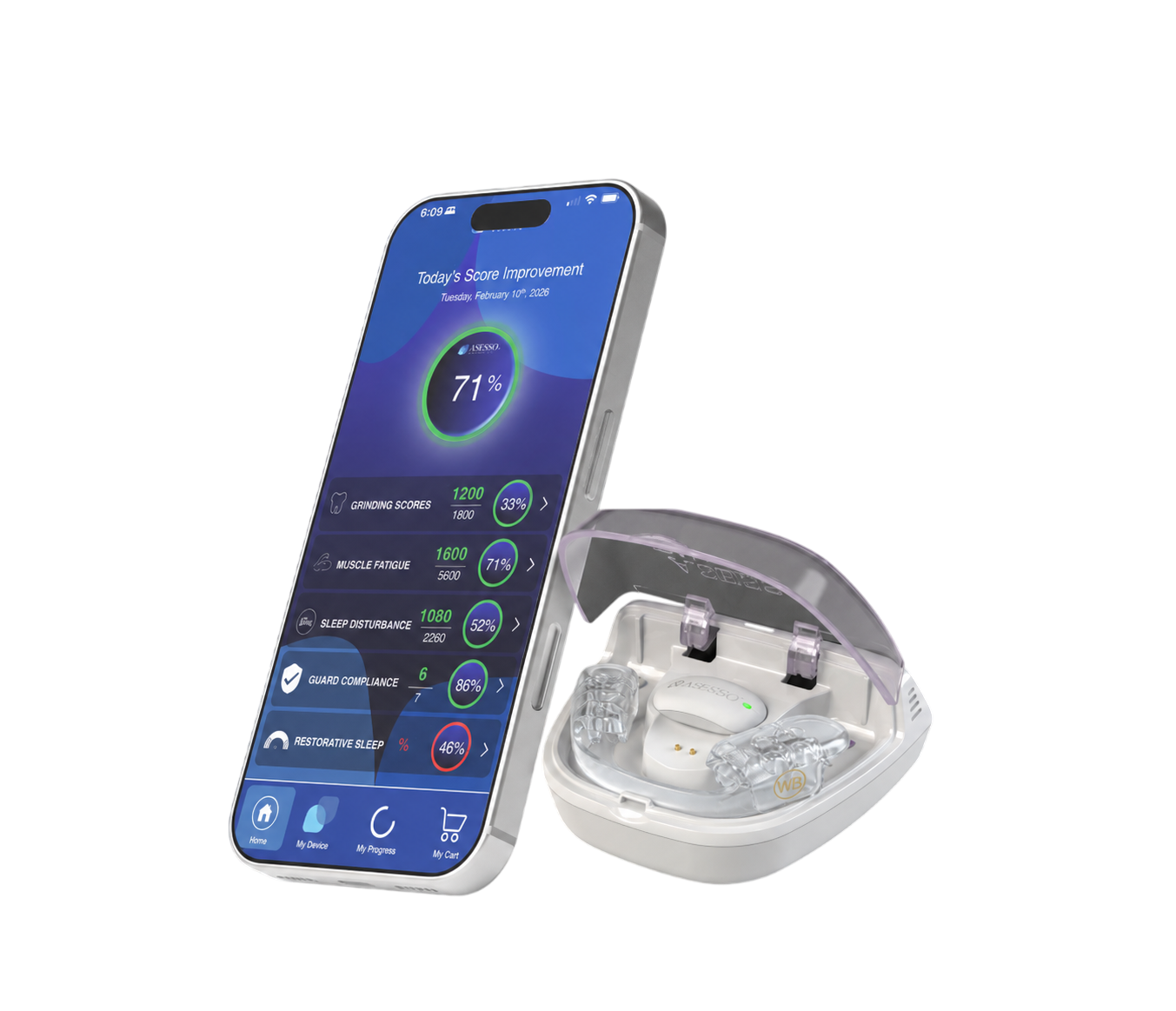
WAKEBRIGHT | Comprehensive oral health means addressing all the forces working against your teeth and gums, not just the bacterial ones. For people with periodontal disease who also clench or grind, the jaw muscles represent a significant source of compounding mechanical stress on already-compromised bone and attachment tissue. The Wakebright grind guard system reduces the sustained jaw muscle load that generates this excess mechanical force, while supporting better sleep and thus better immune function as a downstream outcome. Visit wakebrightguards.com to learn more. This article is for educational purposes only and does not constitute medical or dental advice. Please consult a qualified healthcare provider for personalized guidance.