Night Guard Cost Guide 2026: Dentist vs. Online vs. Drugstore

A night guard can cost anywhere from $15 to over $1,000, and the honest answer for "which one should I buy" depends less on your budget alone and more on understanding what you're actually paying for at each price point. Here's a straightforward breakdown of all three options, what's included, and where insurance and tax-advantaged accounts can help.
The Short Answer
| Option | Typical Cost | What You're Paying For |
|---|---|---|
| Dentist office | $300–$800 (up to $1,000+ for complex cases) | Exam, custom impression, lab fabrication, in-person fitting and adjustment |
| Online/direct-to-consumer lab | $100–$300 | Custom fabrication from an at-home impression kit, no in-person exam |
| Drugstore/OTC | $15–$60 | A non-custom or self-molded guard, no professional involvement |
Dentist Office: $300–$1,000+
This is the most comprehensive option, and the price reflects more than just the physical guard. A dentist-fabricated night guard typically includes a clinical exam to assess your grinding severity and any related jaw symptoms, a precise impression or digital scan, lab fabrication to your exact specifications, and an in-person fitting appointment where the dentist adjusts the guard so your bite contacts are even. Complex cases significant TMJ involvement, unusual bite patterns, or premium materials can push costs toward or beyond $1,000.
Part of what you're paying for here is professional judgment: a dentist can catch signs that a night guard alone won't fully address, like a related TMJ disorder or a contributing sleep condition, before you've spent money on an appliance that might not be the full solution.
Online/Direct-to-Consumer Labs: $100–$300
These services mail you an at-home impression kit, which you use to create a mold of your teeth and send it back. The same type of dental lab that fabricates guards for dentists' offices produces the final custom guard, often from comparable FDA-cleared materials. The core appeal is cost: without an in-office exam, chairside time, or practice overhead built into the price, these guards typically run a fraction of the dentist-office cost for what can be a similarly custom-fitted product.
The tradeoff is the missing clinical exam. You won't get a professional assessment of your grinding severity, jaw health, or bite before ordering, and any at-home impression carries some risk of user error affecting the final fit, compared to an impression taken by a trained professional.
Drugstore/OTC: $15–$60
Boil-and-bite and one-size-fits-all guards are the cheapest and most immediately available option, sold at pharmacies and online without any custom fitting process. They can be a reasonable stopgap or short-term option, but they carry real, documented tradeoffs: a rougher fit dependent on home molding, faster wear requiring more frequent replacement, and — as covered in more detail elsewhere — genuine risks to your bite and jaw comfort if relied on for long-term, unsupervised use.
Why the Price Gap Is So Big
The biggest driver of cost difference across these three options isn't necessarily the raw material — it's the delivery model. A dentist-office guard bundles in a clinical exam, professional oversight, and often the same underlying lab fabrication an online service uses directly, with practice overhead and markup added on top. An online lab strips out the in-person exam and overhead, passing more of that savings to you. A drugstore guard skips custom fabrication and professional involvement entirely. Each step up in price generally buys you more professional oversight, not necessarily a fundamentally different physical product though, as covered in our comparison of custom versus boil-and-bite guards, the fit precision itself does have real, documented consequences for both comfort and dental health.
Does Insurance Cover Night Guards?
Sometimes, and it's genuinely conditional. According to GoodRx, night guards are typically covered by dental insurance as long as your dentist determines the guard is medically necessary — meaning it's being prescribed to treat diagnosed bruxism or a temporomandibular disorder, not purchased for general comfort. Even when coverage applies, a few common patterns are worth knowing:
- Partial coverage is typical. Many plans reimburse around 50% of the allowable fee, not the full cost, particularly for PPO plans.
- Frequency limits are common. Some insurers cover only one night guard every 3 to 5 years, regardless of wear or damage.
- Dollar caps exist on some plans. A plan might cover up to a specific amount (for example, $150) and leave the remainder as an out-of-pocket cost if your guard costs more.
- DHMO and discount plans may exclude night guards entirely, so it's worth checking your specific plan rather than assuming standard dental coverage applies.
Because coverage varies so much by plan, it's worth calling your insurer directly or asking your dentist's office to check your specific benefits before assuming a chunk of the cost will be offset. Online, direct-to-consumer guards are typically paid out of pocket, since they don't involve a dental office submitting a claim on your behalf — though you can sometimes submit the receipt for reimbursement, depending on your plan.
HSA and FSA Eligibility
Regardless of which option you choose, a custom night guard used to treat bruxism or a diagnosed jaw condition is generally an IRS-qualified medical expense, meaning you can use pre-tax Health Savings Account (HSA) or Flexible Spending Account (FSA) dollars to pay for it including guards purchased through an online lab, not just a dentist's office. Keep an itemized receipt in case you need to substantiate the expense.
Which Option Makes Sense for You
A dentist-fabricated guard makes the most sense if: you haven't had a professional evaluation of your grinding or jaw symptoms yet, you have signs of TMJ involvement beyond simple grinding, your insurance offers meaningful coverage, or you want the reassurance of an in-person fitting and adjustment.
An online custom guard makes sense if: you've already had a dental exam confirming straightforward bruxism without complicating factors, cost is a genuine barrier to the dentist-office price, and you're comfortable following an at-home impression kit's instructions carefully.
A drugstore guard makes sense if: you need something immediately, your grinding is mild or occasional, or you're testing whether a night guard helps before investing in a custom option — with the understanding that it's a short-term tool, not a long-term unsupervised solution.
Frequently Asked Questions
What's the average cost of a custom night guard from a dentist?
Most dentist-fabricated night guards cost between $300 and $800, with complex cases or premium materials sometimes exceeding $1,000. Cost varies by location, materials, and case complexity.
Are online night guards as good as dentist-made ones?
They can be comparable in fabrication quality, since the same type of dental lab often produces both, but online guards skip the in-person clinical exam and professional adjustment that a dentist visit includes which matters more for complex cases or diagnosed TMJ involvement.
Why are drugstore night guards so much cheaper?
Because they skip custom fabrication and any professional involvement entirely — you're paying for a non-custom or self-molded product rather than a guard built specifically for your teeth and bite.
Will my dental insurance cover a night guard?
It depends on your specific plan and whether your dentist documents the guard as medically necessary for a diagnosed condition like bruxism or TMD. Many plans offer partial coverage (often around 50%) with frequency limits, but some plans, particularly DHMOs, may exclude night guards entirely.
Can I use HSA or FSA funds for a night guard, even if I buy it online?
Generally yes a custom night guard for a diagnosed condition is typically an IRS-qualified medical expense regardless of whether you purchase it through a dentist or an online lab, though it's worth keeping an itemized receipt.
Is it worth paying more for a dentist-made guard if I already know I grind my teeth?
It depends on whether you've had a professional exam recently. If your grinding is straightforward and confirmed, an online custom guard may be a reasonable, more affordable option. If you haven't been evaluated, or have any jaw symptoms beyond simple grinding, an in-person exam has real value.
How much does insurance typically reduce the cost of a dentist-made night guard?
When coverage applies, many PPO plans reimburse around half of the allowable fee, though this varies significantly by plan, and some plans cap the total dollar amount covered or limit how often you can get a new one covered.
Is a $15 drugstore guard ever a reasonable choice?
Yes, for short-term or occasional use as a stopgap before a dental appointment, or to test whether a guard helps before investing in something custom. It's less advisable as a long-term, unsupervised solution, given documented risks around fit and bite changes with extended use.
Do all online night guard companies use the same quality materials as dentists?
Reputable ones often use similar FDA-cleared materials to what dental labs use for dentist-prescribed guards, though quality and process can vary by company. It's worth checking what materials and guarantees a specific service offers before ordering.
What's the biggest hidden cost difference between these three options?
The professional exam and oversight a dentist visit includes an assessment that can catch issues a night guard alone won't address, like TMJ involvement or a related sleep condition, which isn't part of the online or drugstore options.
How often will I need to replace a night guard, and does that change the cost math over time?
Custom guards from a dentist or online lab typically last 1 to 5 years depending on material and use, while drugstore guards often need replacing every 6 to 12 months so a cheaper guard replaced repeatedly can approach or exceed the cost of a single durable custom guard over several years.
Should I ask for a cost estimate before committing to any option?
Yes for a dentist-office guard, ask for a pre-treatment estimate and, if you have insurance, request pre-authorization so you know what's covered before the guard is made. For online options, check return or fit-guarantee policies before ordering.
What You Can Do Now
- Night guard pricing tracks closely with what's included a dentist's exam and fitting, lab-direct fabrication, or a drugstore option with neither
- Get an actual diagnosis first it's what typically unlocks both insurance and FSA/HSA coverage
- Call your insurer directly to check real coverage on your specific plan rather than assuming
- FSA/HSA funds are a reliable way to offset the cost of a properly diagnosed condition regardless of which option you choose
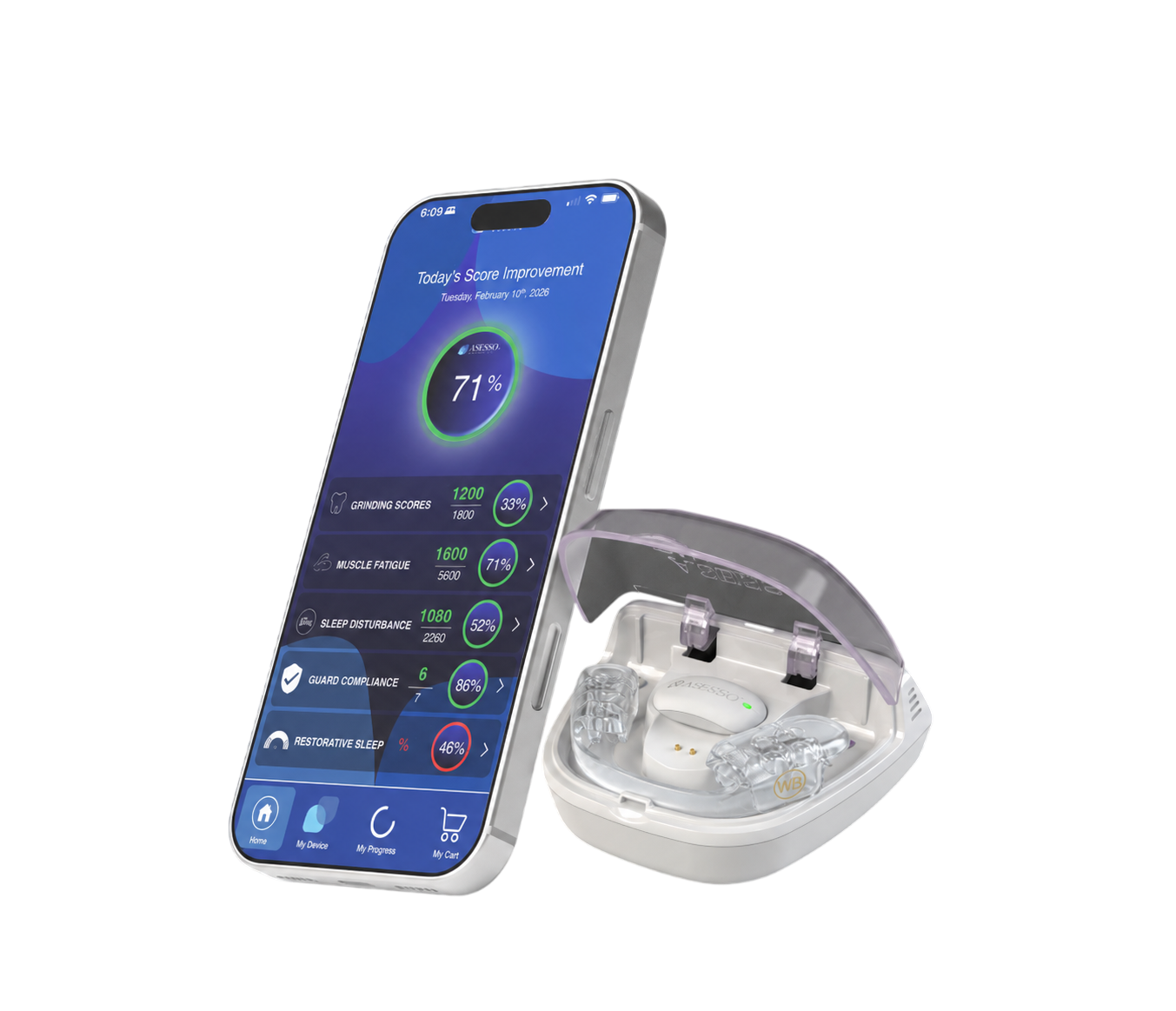
WAKEBRIGHT | The Wakebright Guard is priced transparently and typically qualifies for FSA/HSA reimbursement when tied to a diagnosed condition ask about your options today.
This article is for informational purposes only and does not constitute medical, legal, or tax advice. Consult a licensed dentist for diagnosis and treatment recommendations, and your insurance provider or tax advisor for specifics on coverage and eligible expenses.
References
- GoodRx. "How Much Does a Dental Night Guard Cost?" goodrx.com. https://www.goodrx.com/conditions/dental-care/night-guard-cost
- Cleveland Clinic. "Mouth Guards: Types & Purpose." my.clevelandclinic.org. https://my.clevelandclinic.org/health/treatments/10910-mouthguards
- National Institute of Dental and Craniofacial Research. "Bruxism." nidcr.nih.gov. https://www.nidcr.nih.gov/health-info/bruxism