Mouth Taping: Is It Dangerous?

The Mouth Taping Trend and Its Promise
Mouth taping has surged in popularity over the past few years, with sleep enthusiasts and biohackers praising it as a natural way to improve sleep quality and overall health. The premise sounds appealing: by taping your mouth closed during sleep, you force nasal breathing, which advocates claim enhances oxygen absorption, reduces snoring, and promotes better rest. Celebrities and wellness influencers have amplified the trend, making it seem like a simple, low-cost solution to sleep problems.
The appeal lies in its simplicity and the grain of truth buried within it. Nasal breathing does offer genuine physiological advantages over mouth breathing during sleep. However, the leap from understanding those benefits to taping your mouth shut involves significant assumptions and real risks that many promoters gloss over. Understanding what the science actually says requires separating fact from hype.
Why Nasal Breathing Actually Matters
When you breathe through your nose, the air passes through the nasal passages, where it is filtered, warmed, and humidified before reaching your lungs. This process supports better oxygen absorption and reduces irritation of the respiratory tract. Nasal breathing also triggers the release of nitric oxide, a molecule that helps blood vessels relax and improves oxygen circulation throughout the body. During sleep, these benefits become even more important because the body performs critical restorative functions that depend on stable oxygen levels.
Mouth breathing, by contrast, bypasses these protective mechanisms. It can lead to dry mouth, throat irritation, and less efficient oxygen uptake. Many people who struggle with sleep quality are indeed chronic mouth breathers, and addressing this habit can genuinely improve their sleep architecture. The research on nasal breathing benefits is solid and well-documented. The problem is not that nasal breathing is bad; it is that forcing it via mouth tape introduces hazards the science does not justify.
The Real Risks of Mouth Taping
Choking and airway obstruction represent the most serious risks of mouth taping. If someone tapes their mouth and then experiences a sudden need to vomit or encounters respiratory distress, their only available airway (the mouth) is blocked. This can lead to aspiration or an inability to breathe in an emergency. People with sleep apnea, asthma, or other respiratory conditions face heightened risk. Even for healthy individuals, the risk may be low statistically, but it is not zero and is potentially catastrophic.
Beyond choking, regular mouth taping causes skin irritation and dermatitis around the mouth and lips. The tape occludes the skin, traps moisture, and disrupts the skin barrier. Over weeks or months, users report redness, rashes, and increased sensitivity. Some people develop allergic reactions to tape adhesives as well. Additionally, mouth taping does not address the root cause of sleep problems for most people. If someone is clenching their jaw or experiencing stress-related muscle tension during sleep, which are common drivers of poor sleep quality and snoring, taping the mouth does nothing to resolve the underlying tension. It merely forces nasal breathing while the jaw muscles remain tight and fatigued.
Psychological dependence is another subtle but real concern. People who start taping their mouths may develop anxiety about sleeping without it, even when the tape is not actually solving their sleep problem. This placebo effect can mask the need for deeper investigation into what is truly causing the sleep disturbance. For some users, any improvement they experience is temporary or moderate because they have never addressed the mechanical issues in their sleep physiology.
A Safer Path: Addressing Jaw Muscle Tension
Many people who pursue mouth taping are actually struggling with jaw-related sleep issues they have not identified. Jaw clenching and muscle tension during sleep disrupt sleep quality, contribute to snoring, and create daytime pain. People often have no idea their jaw is clenched all night because they are asleep. That tension reduces the space available for breathing and undermines the relaxation that deep sleep requires.
Instead of forcing nasal breathing with tape, a better approach addresses the mechanical root by relaxing the jaw. When the jaw muscles are properly relaxed and positioned, nasal breathing happens naturally. The jaw stops fighting against the breathing mechanism. This is where approaches like jaw repositioning make a meaningful difference. Unlike mouth tape, repositioning the jaw introduces no choking risk, causes no skin irritation, and actually targets the problem many mouth tapers are unknowingly facing.
If you want to improve nasal breathing during sleep without tape, try gentle nasal rinses before bed, run a humidifier in your bedroom, and practice nasal breathing exercises during the day to build the habit. These low-risk methods can support the switch to nasal breathing without the hazards of occlusion. Combining these habits with attention to jaw relaxation creates a comprehensive approach to better sleep, one that is both effective and safe.
What You Can Do Now
Nasal breathing offers genuine physiological benefits, but mouth taping is not a safe method to achieve it.
Choking and airway obstruction risks make mouth taping dangerous, especially for people with asthma, sleep apnea, or other respiratory conditions.
Regular mouth taping causes skin irritation, rashes, and psychological dependence without addressing the root causes of sleep problems.
Many mouth tapers are unknowingly struggling with jaw clenching and muscle tension, the real driver of their sleep issues.
Building nasal breathing habits through daytime practice and jaw relaxation is safer and more effective than mechanical tape.
If snoring or sleep quality is your concern, jaw repositioning addresses the mechanical foundation that mouth tape skips over.
Frequently Asked Questions
Q: Is mouth taping safe for people with sleep apnea?
No. Mouth taping is especially risky for people with sleep apnea because their airways are already compromised. If the mouth is taped and an apnea event occurs, airway obstruction becomes more dangerous. Anyone with diagnosed sleep apnea should avoid mouth taping and instead work with a sleep specialist on proven treatments.
Q: Can mouth taping permanently change how I breathe?
Mouth taping will not permanently reprogram your breathing, but it can create psychological dependence. You might become anxious about sleeping without it. Building nasal breathing habits through daytime practice and jaw relaxation is more sustainable than relying on external constraints during sleep.
Q: What should I do if I wake up with the tape partially off?
Partial tape failure could leave pieces stuck in your mouth or throat, creating an aspiration risk. If tape regularly fails during sleep, it signals that your sleep is unstable, whether from clenching, movement, or stress-related restlessness. This is a sign to address the underlying sleep issue rather than apply more tape.
Q: Are there specific tapes safer than others for mouth taping?
All mouth taping carries similar risks regardless of tape type. The hazard is not the brand; it is the mechanism of blocking the mouth as an emergency airway. If you want to improve nasal breathing, focus on training and relaxation rather than tape.
Q: How does jaw clenching relate to the urge to mouth breathe?
When the jaw is clenched, the airway space narrows and breathing is slightly compromised. The body compensates by trying to open the mouth to breathe more freely. Jaw clenching and mouth breathing are often linked problems stemming from the same root: jaw muscle tension and poor positioning during sleep.
Q: Can mouth taping help with snoring?
Mouth taping may reduce snoring temporarily by forcing nasal breathing, but snoring often stems from jaw position and muscle tension rather than the breathing route alone. If the jaw is clenched or poorly positioned, snoring returns even with tape because the underlying mechanical issue persists. Addressing jaw relaxation tackles snoring more effectively.
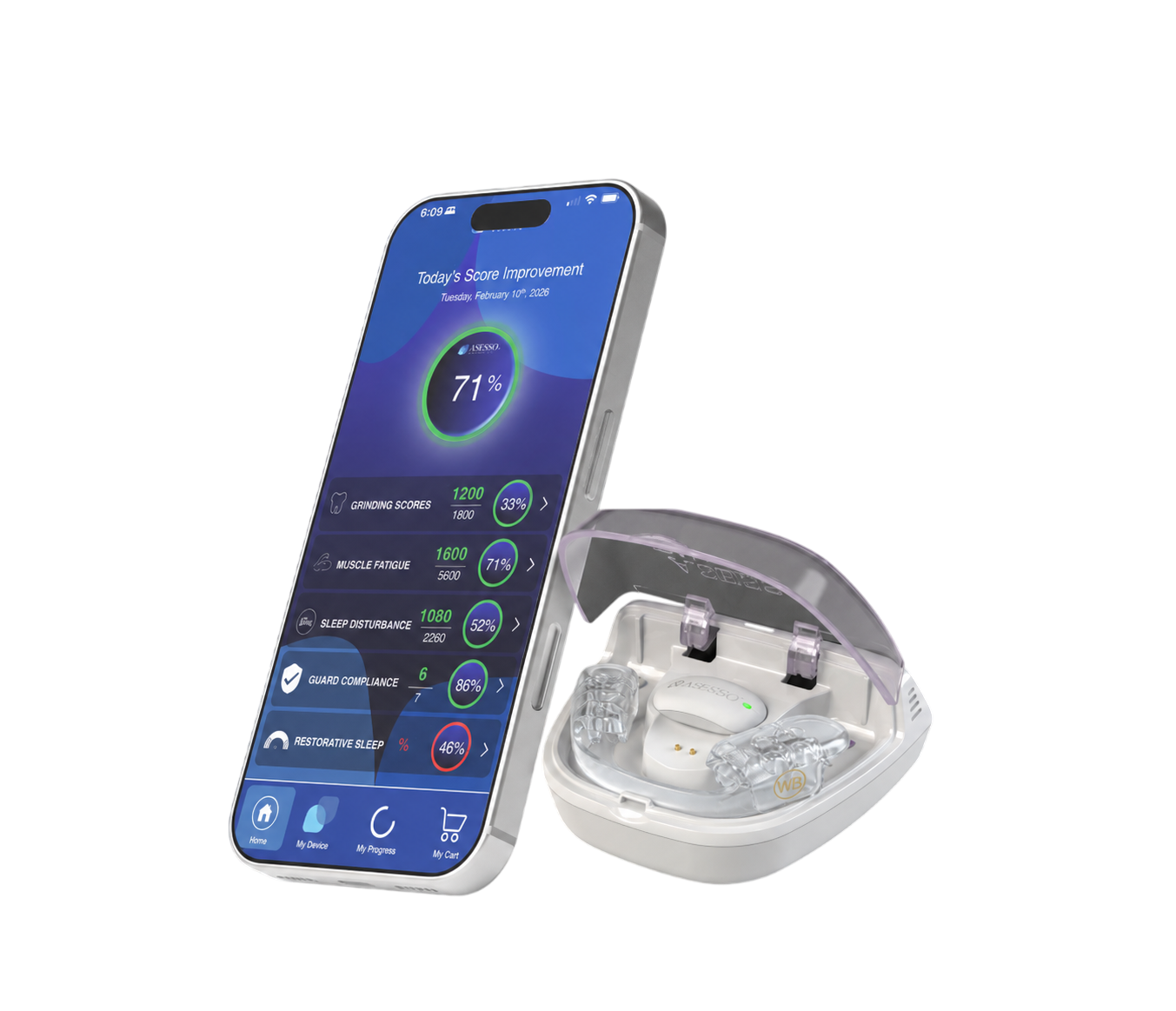
WAKEBRIGHT | Ready to improve your sleep without risky shortcuts? The Wakebright Grind Guard repositions your jaw to reduce muscle tension, support nasal breathing naturally, and help you wake rested. Discover how more than 20 years of real-world use has helped people move past jaw pain and poor sleep.
This article is for educational purposes only and does not constitute medical or dental advice. Please consult a qualified healthcare provider for personalized guidance.