Migraine Treatments: What Options Do You Have?

Migraine affects nearly 1 billion people worldwide, yet many sufferers cycle through treatment options without lasting relief. The challenge is not a shortage of treatments; it is identifying which approach, or combination of approaches, actually addresses the root cause for your specific migraine pattern. This article walks through the major treatment categories most doctors offer: acute medications that stop migraines once they start, preventive medications that reduce frequency and severity, and non-pharmacological strategies that work alongside medication. Most importantly, it examines what many treatment plans miss: the contribution of jaw muscle load during sleep, and how this hidden factor can persistently trigger migraine episodes.
Understanding your treatment options means recognizing that migraines are rarely one-cause, one-cure conditions. Some people respond well to triptans alone. Others need a preventive medication. Many require a multi-modal approach. And an often-overlooked group, those who clench or grind their teeth at night, may be partly driving their migraines through sustained jaw muscle tension that standard treatments never address.
Acute Migraine Medications: Fast Relief When Migraines Strike
Acute medications are designed to stop a migraine after it begins. They work best when taken early, often within 30 minutes to 2 hours of symptom onset. The most common acute class is triptans, which narrow blood vessels and block pain pathways in the brain.
Triptans (sumatriptan, rizatriptan, naratriptan, zolmitriptan): triptans are first-line acute therapy for moderate-to-severe migraines. They work by activating serotonin receptors on blood vessels and nerve endings. Effectiveness varies: roughly 60 to 70 percent of users experience pain relief within 2 hours. The downside is that some people are non-responders, and others develop medication overuse headache (rebound headache) if they use triptans more than 10 days per month. Triptans are available as tablets, nasal sprays, injectables, and mouth-dissolving wafers, which makes them flexible for people who struggle to swallow during a migraine.
Nonsteroidal anti-inflammatory drugs (NSAIDs): over-the-counter ibuprofen, naproxen, and aspirin, or prescription formulations like indomethacin, are effective for mild-to-moderate migraines. NSAIDs reduce inflammation and pain but do not address the vascular component as directly as triptans. Many people combine an NSAID with a triptan for a synergistic effect. The trade-off is gastrointestinal irritation and, with chronic use, increased cardiovascular risk.
Combination therapies: clinicians often recommend pairing an acute medication with an anti-nausea medication (metoclopramide or prochlorperazine), because migraine-related nausea impairs absorption of oral medications. Some formulations combine acetaminophen, aspirin, and caffeine (such as Excedrin), which many people find sufficient for milder attacks.
Preventive Medications: Building Long-Term Control
If you experience migraines more than 4 days per month, or if acute medications alone do not provide adequate relief, preventive therapy is typically recommended. These medications reduce migraine frequency, duration, and severity, not by stopping a migraine in progress, but by shifting the migraine threshold upward so fewer triggers push you over the edge.
Beta-blockers (propranolol, timolol, nadolol): these were among the first preventive medications for migraine and remain widely prescribed. They are thought to stabilize blood vessel function and reduce neuronal firing. Propranolol is the most studied, with roughly 50 percent of users reporting a 50 percent or greater reduction in migraine days. Side effects include fatigue, depression, and sexual dysfunction. Beta-blockers are especially useful when you also have hypertension.
Calcium channel blockers (verapamil): similar mechanism and efficacy to beta-blockers, with a different side-effect profile. Verapamil may be preferred if beta-blockers cause sexual dysfunction or fatigue. Effectiveness is moderate and takes 4 to 8 weeks to emerge.
CGRP antagonists (erenumab, fremanezumab, galcanezumab): these newer biologics block calcitonin gene-related peptide (CGRP), a neurotransmitter heavily involved in migraine pain signaling. CGRP antagonists are administered monthly or quarterly by injection. They have shown strong efficacy, with some studies reporting 50 to 60 percent migraine reduction, and they are relatively well-tolerated. The downside is cost: without insurance they can exceed $500 per month.
Antiepileptic drugs (topiramate, valproate): originally developed for seizure control, these stabilize neuronal excitability. Topiramate in particular is widely used for migraine prevention and can induce weight loss, which some patients welcome. Downsides include cognitive fogginess, paresthesia, and, for valproate, teratogenicity.
Tricyclic antidepressants (amitriptyline, nortriptyline): these modulate serotonin and norepinephrine. Amitriptyline is commonly prescribed at low doses (10 to 75 mg) for migraine prevention, even in non-depressed patients. They are inexpensive and effective, but side effects including dry mouth, sedation, and weight gain limit tolerability for some.
Non-Pharmacological Approaches: Addressing Root Triggers
Medication is not the only tool. Behavioral, physical, and cognitive approaches can be just as powerful, especially when woven into a multimodal plan.
Biofeedback and relaxation training: thermal or electromyographic (EMG) biofeedback teaches you to recognize and control physiological stress responses, including heart rate, blood pressure, and muscle tension, that often precede migraines. Progressive muscle relaxation, guided imagery, and meditation similarly lower the migraine threshold. Studies show reductions in migraine frequency comparable to preventive medication in some groups.
Cognitive-behavioral therapy (CBT): CBT targets thought patterns and behaviors that amplify migraine impact or stress, which is a common trigger. A structured 8 to 12 week program can improve coping, reduce anxiety, and decrease migraine days by 30 to 40 percent.
Acupuncture: multiple randomized trials have shown that acupuncture reduces migraine frequency and intensity, though the magnitude of benefit varies. It is thought to modulate pain-processing pathways and reduce muscle tension. Some people find it a valuable complement to medication.
Sleep hygiene and stress management: erratic sleep, poor sleep quality, and chronic stress are major migraine triggers. Establishing consistent sleep-wake schedules, managing sleep apnea when present, and practicing stress-reduction techniques like yoga or progressive relaxation can meaningfully lower migraine burden.
Dietary modification: common dietary triggers include aged cheeses, cured meats, alcohol (especially red wine), caffeine withdrawal, and artificial sweeteners. Keeping a migraine diary helps identify your personal triggers. Some people benefit from magnesium supplementation, particularly if deficient.
The Overlooked Jaw Connection: Why Bruxism and TMD Complicate Migraine Treatment
Most treatment plans address vascular dysfunction, neuroinflammation, and stress, but overlook a structural driver that perpetuates migraines in a significant subset of patients: sustained jaw muscle load during sleep, commonly seen in people who clench or grind their teeth (bruxism) or have temporomandibular disorders (TMD).
How jaw muscle load perpetuates migraines: during sleep, if you clench or grind, your masseter and temporalis muscles work against resistance for hours. This creates chronic low-grade fatigue and sensitization in muscles that share neural pathways with the trigeminal nerve, the nerve involved in migraine pain. The sensitized trigeminal system becomes more responsive to other triggers such as stress, hormonal fluctuations, and caffeine withdrawal. In effect, jaw clenching lowers your migraine threshold, making migraines more frequent and more easily triggered.
The bruxism-migraine overlap: research suggests that 50 to 75 percent of people with TMD report migraine-type headaches, and that many chronic migraine patients grind or clench their teeth, sometimes without realizing it. Standard migraine treatments, whether triptans or preventives like topiramate, do not address the mechanical jaw muscle load. You can take a preventive medication and still clench all night, perpetuating the neural sensitization that keeps migraines frequent.
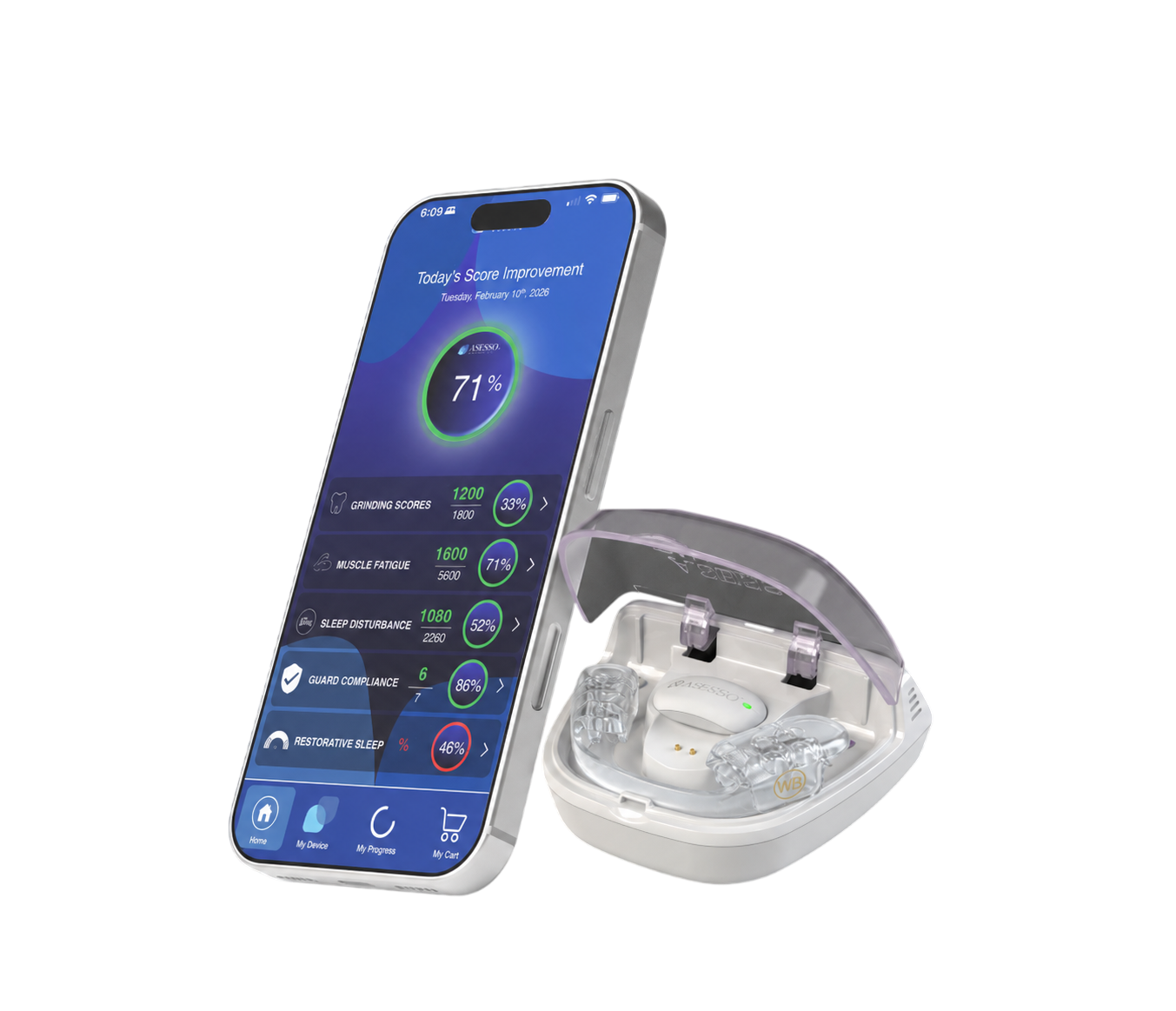
What this means for treatment success: if you have both migraines and symptoms of TMD (jaw pain, clicking, morning stiffness, worn teeth, tension headaches), addressing the jaw muscle component becomes essential. Non-invasive options like the Wakebright Grind Guard, a jaw repositioning device worn during sleep, reduce jaw muscle load by supporting the jaw in a neutral position, similar to how a splint prevents further strain in an injured ankle. By lowering jaw muscle fatigue and reducing trigeminal sensitization overnight, the Wakebright Grind Guard can work in sync with your migraine medication, allowing your preventive to be more effective and reducing your reliance on acute medications.
Combination Therapy: Why One Treatment Often Isn't Enough
Most people with chronic or frequent migraines benefit from a layered approach. A typical effective plan might include a preventive medication (such as topiramate or a CGRP antagonist), behavioral stress management, improved sleep hygiene, and, if jaw clenching is present, the Wakebright Grind Guard to address the mechanical jaw trigger overnight.
The advantage of combining approaches is redundancy and resilience. If stress spikes one week, your preventive medication buffers you. If you attend a stressful event and sleep poorly, your relaxation practice and improved sleep routine provide additional protection. If jaw clenching is contributing, the Grind Guard reduces that driver while your other interventions address the rest.
People who adopt multiple approaches often see improvements greater than the sum of the individual effects. A patient taking topiramate alone might see a 40 percent reduction in migraine days; the same patient who adds stress management and jaw support via the Wakebright Grind Guard might achieve a 60 to 70 percent reduction. The mechanisms are complementary.
What You Can Do Now
Use acute medications (triptans, NSAIDs) for immediate migraine relief, taken as early as possible after the attack begins.
Start a preventive medication if migraines occur 4 or more days per month; common options include beta-blockers, CGRP antagonists, and topiramate.
Combine medication with biofeedback, CBT, improved sleep hygiene, and stress management for synergistic benefit.
If you clench or grind your teeth at night, assess whether TMD or bruxism is contributing to your migraine pattern and address the jaw muscle load.
Use the Wakebright Grind Guard during sleep if jaw tension is suspected, to reduce overnight jaw muscle fatigue and trigeminal sensitization.
Track migraine triggers in a diary to personalize your treatment plan and identify patterns your doctor may not immediately see.
Frequently Asked Questions
Q: What is the fastest way to stop a migraine once it starts?
Acute medications, especially triptans, are the fastest option, with most providing pain relief within 1 to 2 hours when taken early in the migraine. Nasal sprays or injectables work faster than oral tablets. Some people find combining a triptan with an NSAID more effective than either alone.
Q: Can I take a triptan every day, or does it cause rebound headache?
Frequent triptan use, meaning more than 10 days per month, can lead to medication overuse headache, a rebound effect that makes headaches more frequent and harder to treat. Daily triptans are not recommended long-term; preventive medication is preferred when you need relief more than occasionally.
Q: How long does it take a preventive medication to work?
Most preventive medications take 4 to 8 weeks to show benefit and may take up to 12 weeks to reach full effect. Patience is essential. If one preventive is not effective after 8 to 12 weeks, switching to another class often helps.
Q: Is biofeedback or acupuncture evidence-based for migraine?
Yes. Multiple randomized controlled trials support both biofeedback and acupuncture for migraine reduction, showing effectiveness comparable to some medications. Best results occur when combined with other approaches rather than used alone.
Q: What if I have both migraines and jaw tension? Should I address the jaw?
Yes. If jaw clenching, TMD, or teeth grinding is present, addressing jaw muscle load through devices like the Wakebright Grind Guard or physical therapy can significantly enhance migraine control and reduce reliance on higher medication doses.
Q: Can I stop migraine medication once I improve?
Preventive medications usually need to be continued for at least 6 to 12 months to sustain improvement. Stopping too early often causes migraines to return. Work with your doctor on a gradual withdrawal plan if discontinuation is appropriate.
Q: What should I do if my current migraine treatment isn't working?
Do not settle. Discuss with your neurologist or headache specialist: adding or switching preventive medications, optimizing dosing, incorporating behavioral strategies, and investigating structural triggers like jaw clenching or sleep apnea. A multimodal approach tailored to your unique pattern often succeeds where single interventions fail.
WAKEBRIGHT | The Wakebright Grind Guard supports jaw repositioning during sleep, reducing the jaw muscle load that often perpetuates migraines. Combined with medication and behavioral strategies, it addresses a common and often overlooked migraine driver. Learn how jaw-focused sleep support can complement your migraine plan. This article is for educational purposes only and does not constitute medical or dental advice. Please consult a qualified healthcare provider for personalized guidance.