Mastering Sleep Hygiene: Your Path to Quality Sleep

What Is Sleep Hygiene and Why It Matters
Sleep hygiene refers to the habits, behaviors, and environmental factors that support restorative sleep. Just as dental hygiene prevents tooth decay and gum disease, sleep hygiene prevents sleep problems and supports deep, rejuvenating rest. Quality sleep is foundational to health, supporting immune function, metabolic regulation, emotional resilience, cognitive performance, and physical recovery. Yet millions of people struggle with sleep despite having favorable conditions for rest. Often the barrier to quality sleep is not obvious.
The standard sleep hygiene recommendations, maintaining consistent sleep schedules, avoiding caffeine late in the day, creating a dark and cool bedroom, and limiting screen time before bed, are valid and important. However, they address only part of the sleep equation. They assume that once you are lying in bed, your body is ready to sleep and can maintain sleep undisturbed. For millions of people with jaw muscle stress and teeth grinding, that assumption is false.
Jaw muscle stress during sleep is an underrecognized sleep hygiene issue. When teeth grinding occurs, it triggers muscle contractions that can rouse you from sleep or prevent you from reaching deep, restorative sleep stages. Grinding-related muscle tension also causes morning stiffness and jaw pain, which affects how rested you feel on waking. You might technically have eight hours in bed, but if those hours are interrupted by grinding episodes or dominated by jaw muscle tension, sleep quality suffers dramatically.
True sleep hygiene encompasses not just external conditions and behaviors, but also the physiological state of your body during sleep. If your jaw muscles are stressed and grinding throughout the night, no environmental adjustment, no matter how perfect your bedroom, will fully restore your sleep quality. Addressing jaw muscle stress becomes a critical and often overlooked component of comprehensive sleep hygiene.
Standard Sleep Hygiene Practices: Building Your Foundation
Establishing consistent sleep and wake times is the first pillar of sleep hygiene. Your body operates on circadian rhythms, internal biological clocks that coordinate sleep-wake cycles, hormone release, and metabolic processes. By sleeping and waking at the same times daily, including weekends, you reinforce these rhythms, making it easier to fall asleep and wake naturally at your target time. Start by shifting your sleep schedule by 15 minutes per week toward your target time, allowing the circadian rhythm to adjust gradually.
Your sleep environment profoundly influences sleep quality. A dark room (ideally 0 to 5 lux of light) supports melatonin production, the hormone that triggers sleepiness. Blackout curtains or an eye mask are simple solutions. Temperature also matters: a room temperature of 60 to 67 degrees Fahrenheit (15 to 19 degrees Celsius) is optimal for most people, as the body naturally cools during sleep preparation. A cool room supports the physiological changes needed for deep sleep. Additionally, minimize noise through white noise machines, earplugs, or strategic placement away from traffic and household disturbances.
Screen time before bed interferes with sleep through two mechanisms: blue light exposure suppresses melatonin production, and engaging content overstimulates the mind. Aim to stop using phones, tablets, and computers 30 to 60 minutes before bed. Instead, engage in relaxing activities such as reading, gentle stretching, or quiet conversation. This wind-down period signals to the nervous system that sleep is approaching.
Limiting caffeine, alcohol, and large meals close to bedtime supports sleep architecture. Caffeine (found in coffee, tea, chocolate, and many sodas) has a 6 to 8 hour half-life, meaning 50 percent of afternoon caffeine remains in your system 6 to 8 hours later. Alcohol initially promotes drowsiness but fragments sleep and prevents deep stages. Large meals close to bedtime can cause discomfort and indigestion. Aim for your last caffeine dose by mid-afternoon, alcohol cessation at least 3 hours before bed, and your last meal 2 to 3 hours before sleep.
The Overlooked Factor: Jaw Muscle Stress as a Sleep Disruptor
Despite following every standard sleep hygiene recommendation perfectly, many people still experience poor sleep quality due to jaw muscle stress and teeth grinding. Teeth grinding (bruxism) occurs in up to 75% percent of the population and can happen dozens to hundreds of times per night in severe cases. Each grinding episode involves intense jaw muscle contraction, which can fragment sleep architecture and prevent entry into the deep, restorative sleep stages where genuine recovery happens.
The mechanism is straightforward: as the jaw muscles contract with grinding force, sensors in the muscles and jaw joint detect this activity and can trigger arousal responses from sleep. You may not fully awaken, but you are pulled out of the deep sleep stages where restoration truly occurs. This repeated micro-arousal throughout the night leaves you feeling unrefreshed despite spending eight hours in bed. The muscle tension from grinding also carries over into waking hours, affecting how rested you feel.
Morning jaw soreness and stiffness are reliable indicators of nighttime grinding activity. If you consistently wake with tight, sore jaw muscles, your sleep is being disrupted by grinding regardless of how good your other sleep habits are. The jaw muscles have been under stress all night, preventing genuine recovery. This is like trying to rest while clenching your fists all night: even lying down with your eyes closed, your muscles are engaged and fatigued, leaving you unrefreshed.
Addressing jaw muscle stress is therefore essential for comprehensive sleep hygiene. Standard practices optimize your sleep environment and behaviors, but if the jaw is stressed and grinding throughout the night, that perfect foundation is compromised. Adding jaw muscle stress reduction to your sleep hygiene routine completes the picture and enables truly restorative sleep.
Reducing Jaw Muscle Stress: The Missing Piece of Sleep Hygiene
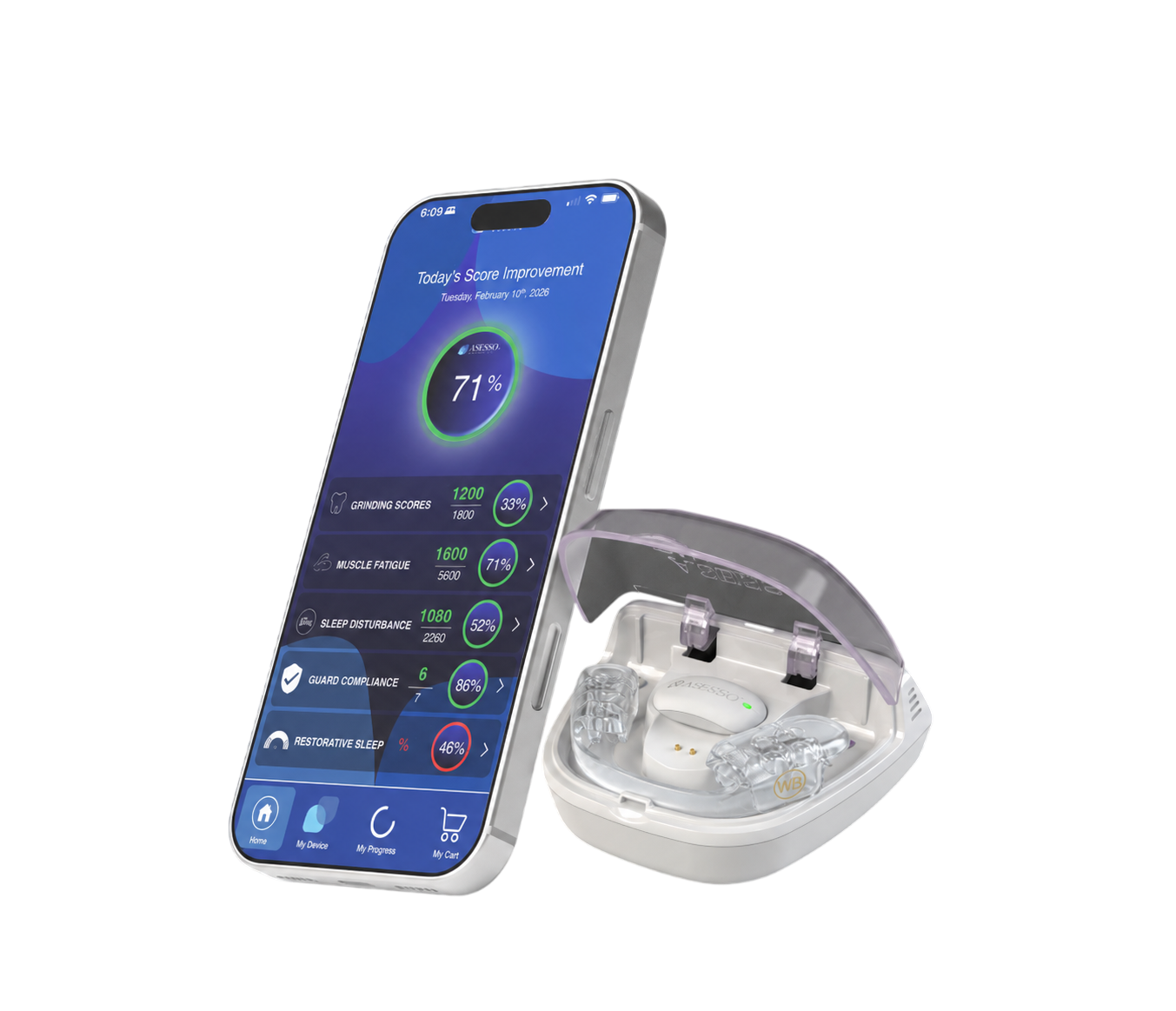
Once you recognize jaw muscle stress as a sleep disruptor, the solution becomes clear: reduce that stress. The Wakebright Grind Guard accomplishes this by repositioning the jaw to decrease muscle load during sleep. This repositioning is not a forced, uncomfortable constraint. It is a biomechanically optimized position that allows the jaw muscles to function in a lower-stress state throughout the night. The result is dramatically reduced grinding, lower muscle fatigue, and uninterrupted progression through the natural sleep stages.
When jaw muscle load decreases, several beneficial changes follow. First, grinding episodes diminish in frequency and force, since the jaw muscles are no longer being driven into intense contractions throughout the night. Second, muscle fatigue and inflammation resolve rapidly. Most users report noticeably reduced morning jaw soreness within the first few nights of Grind Guard use. Third, sleep quality improves substantially. Without grinding-related arousals, the body progresses deeper into restorative sleep stages, and you wake feeling genuinely rested.
This improvement in sleep quality often cascades into better daytime function. With improved sleep, mood, cognitive performance, and emotional resilience all lift. Daytime alertness increases, making it easier to maintain the other sleep hygiene practices such as avoiding caffeine and keeping a consistent schedule. The improved sleep also reduces daytime stress, which in turn lowers unconscious jaw clenching, creating a positive feedback loop where better sleep supports better jaw health.
The Wakebright Grind Guard works in sync with all your other sleep practices. Your perfectly dark, cool bedroom becomes even more effective when grinding-related arousals are not disrupting the night. Your consistent sleep schedule pays off more when sleep is deeper and more restorative. Every standard sleep hygiene practice gains impact when paired with the Grind Guard's load-reduction approach.
A Comprehensive Sleep Hygiene Routine: Integrating All Elements
Building an effective sleep hygiene routine means combining all elements: environmental optimization, behavioral practices, and jaw muscle stress reduction. Start with a consistent sleep schedule. Choose your target bedtime and wake time and hold to them daily. Work backward from wake time to establish a morning routine that includes natural light exposure, since even 10 to 15 minutes of bright light within an hour of waking significantly strengthens your sleep-wake cycle.
Next, optimize your sleep environment. Your bedroom should be completely dark (blackout curtains if needed), cool (60 to 67 degrees Fahrenheit), and quiet. Remove electronic devices or keep them outside the room. Then establish a wind-down routine 30 to 60 minutes before your target bedtime: no screens, no stimulating activities. Reading, gentle stretching, journaling, or meditation all work. The goal is to signal the nervous system that sleep is approaching.
Dietary practices support sleep quality throughout the day. Limit caffeine after mid-afternoon, avoid alcohol for at least three hours before bed, and finish your last substantial meal 2 to 3 hours before sleep. Stay hydrated during the day but taper fluid intake in the final one to two hours before bed to minimize nighttime bathroom trips. Keep this routine consistent so your body learns to anticipate sleep and prepare hormonally.
Finally, bring the Wakebright Grind Guard into your nightly routine. Insert the guard as you prepare for bed, allowing 5 to 10 minutes to settle into comfort. The guard's load-reducing position will allow your jaw muscles to relax fully, enabling deep sleep. Combined with an optimized sleep environment, a consistent schedule, a calming wind-down, and good dietary habits, the Grind Guard completes a truly comprehensive sleep hygiene strategy. Within one to two weeks, you will experience a quality of sleep that feels transformative.
What You Can Do Now
Establish consistent sleep and wake times: hold the same bedtime and wake time daily to reinforce circadian rhythms and make sleep easier and more restorative.
Optimize your sleep environment: a dark (blackout curtains), cool (60 to 67 degrees Fahrenheit), and quiet bedroom is essential for melatonin production and deep sleep.
Create a wind-down routine: stop screen use 30 to 60 minutes before bed and engage in calming activities to signal the nervous system that sleep is approaching.
Limit circadian disruptors: avoid caffeine after mid-afternoon, alcohol at least 3 hours before bed, and large meals within 2 to 3 hours of sleep.
Address jaw muscle stress: teeth grinding and jaw tension disrupt sleep even in perfectly optimized conditions. A load-reduction guard like the Wakebright Grind Guard directly addresses this overlooked disruptor.
Integrate all elements: combine environmental optimization, behavioral practices, and jaw stress reduction for truly comprehensive sleep hygiene that produces transformative sleep quality.
Frequently Asked Questions
Q: What is considered good sleep hygiene?
Good sleep hygiene includes maintaining consistent sleep and wake times, sleeping in a dark and cool room, avoiding screens before bed, limiting caffeine and alcohol, and managing stress. It also includes addressing physiological disruptors like jaw muscle stress. When all these elements come together, sleep becomes truly restorative.
Q: Can poor sleep hygiene cause health problems?
Yes. Chronic poor sleep contributes to weakened immunity, metabolic dysfunction, weight gain, mood disorders, cognitive decline, and increased risk of cardiovascular disease. Quality sleep is foundational to health, so addressing sleep disruptors, including jaw muscle stress, is a genuine health priority.
Q: How does teeth grinding affect sleep quality?
Teeth grinding causes repeated jaw muscle contractions that fragment sleep, preventing entry into deep, restorative stages. Even when you do not fully awaken, grinding-related arousals block the consolidation of quality sleep. Morning jaw soreness is a reliable sign that nighttime grinding disrupted your sleep quality.
Q: How long does it take for sleep hygiene improvements to work?
Environmental and behavioral changes typically show effects within 1 to 2 weeks, though some people notice improvement within days. Jaw muscle stress reduction via the Wakebright Grind Guard often produces noticeable sleep improvements within the first few nights. Consistency is key: maintaining the practices for 2 to 3 weeks allows full adaptation.
Q: Does the Wakebright Grind Guard interfere with sleep positions?
No. The Grind Guard is designed to remain comfortable through any sleep position, whether back, side, or stomach. It is custom-fitted to your jaw, so it stays secure and comfortable even when you shift positions through the night.
Q: Can I use the Wakebright Grind Guard with other sleep aids?
Yes. The Grind Guard works well alongside other sleep supports like white noise machines, eye masks, or temperature-control devices. Consult your healthcare provider before combining it with sleep medications. The guard reduces the need for additional interventions by addressing the underlying jaw muscle stress.
Q: How do I know if jaw stress is disrupting my sleep?
Morning jaw soreness, stiffness, or clicking indicates nighttime grinding. If you wake unrefreshed despite adequate time in bed, jaw stress may be a factor. A bed partner may also report hearing grinding sounds. These indicators all suggest that jaw muscle stress is disrupting your sleep quality.
WAKEBRIGHT | Sleep hygiene is more than perfect bedroom conditions. It is about ensuring your body can fully rest. If jaw muscle stress from grinding is disrupting your sleep, the Wakebright Grind Guard's load-reduction design directly addresses that. Discover how comprehensive sleep hygiene, including jaw health, produces the deep, restorative sleep your body deserves. This article is for educational purposes only and does not constitute medical or dental advice. Please consult a qualified healthcare provider for personalized guidance.