Jaw Spasms: Why Your Jaw Locks, Trembles, or Cramps and How to Make It Stop

Few experiences are quite as alarming as your jaw suddenly seizing up, locking open or closed, cramping with intense pain, or trembling involuntarily when you try to speak or chew. Jaw spasms can range from a brief, uncomfortable tightening to a severe, disabling episode that lasts for hours and leaves the surrounding muscles sore for days afterward.
Despite how frightening they feel, jaw spasms are generally not dangerous in themselves. But they are a signal, sometimes an urgent one, that the muscles responsible for jaw movement are under more stress than they can sustainably manage.
Understanding why jaw spasms happen, what triggers them, and how to address both the acute episode and the underlying condition is the foundation of genuine relief.
What Is a Jaw Spasm?
A muscle spasm is an involuntary, sustained contraction of a muscle or muscle group that does not release the way the muscle normally would after use. Jaw spasms occur when the masseter, temporalis, medial pterygoid, or other muscles that control jaw movement enter this involuntary contracted state.
Spasms differ from normal muscle soreness in their sudden onset, involuntary character, and the immediate functional limitation they create. During a jaw spasm, you may find you cannot open your mouth beyond a narrow limit, that movement in any direction is extremely painful, or that the jaw trembles or shakes with attempted movement.
The spectrum of jaw spasm presentations includes trismus (jaw locking, most often associated with reduced opening), myoclonic jerks (brief, sudden involuntary contractions), sustained cramp-like pain without visible movement, and the jaw locking open (less common, and associated with joint problems rather than pure muscle spasm).
The Primary Causes of Jaw Spasms
Jaw spasms rarely occur without provocation. In most cases they represent the acute expression of a chronic underlying condition pushed past a tipping point by a triggering event.
Chronic Muscle Overuse and Bruxism
The most common substrate for jaw spasms is chronically overworked jaw muscles. In people with bruxism or habitual daytime clenching, the masseter and temporalis are often already operating at or near their sustainable limit. Relatively minor additional demands, a tough steak, an extended dental appointment, a period of high stress, or a night of particularly intense grinding, can push these already-taxed muscles into frank spasm.
This is why people who experience jaw spasms almost always carry a background history of jaw soreness, TMD symptoms, or known bruxism. The spasm is typically not a new problem; it is an acute expression of a chronic one.
Trigger Points
Trigger points, meaning hyper-irritable spots within the muscle tissue, predispose the surrounding muscle to spasm. When a trigger point is activated by pressure, sudden movement, cold, or sustained contraction, the abnormal electrical activity in that region can spread through the muscle and trigger a broader spasm. Active trigger points in the masseter and temporalis are extremely common in people with TMD, and their presence significantly raises spasm risk.
Electrolyte Imbalance
Normal muscle contraction and relaxation depend on the precise balance of electrolytes, particularly magnesium, calcium, and potassium, in and around the muscle cell. Magnesium deficiency, which is common in the general population and worsened by stress (which depletes magnesium stores), is specifically linked to increased muscle crampability. If jaw spasms occur alongside systemic muscle cramping such as leg cramps, eyelid twitching, or general muscle twitchiness, nutritional factors are worth evaluating.
Dental and Jaw Overextension
Long dental procedures that require prolonged wide mouth opening, aggressive bite changes from new dental work, or yawning too widely can trigger spasms by pushing the jaw past its comfortable range of motion and fatiguing the muscles suddenly rather than gradually. This type of spasm is typically acute and self-limiting, but it can set off a prolonged flare in people with underlying TMD.
Neurological and Medication-Related Causes
Less commonly, jaw spasms may have neurological origins, including movement disorders, medication side effects (particularly from antipsychotics and some antiemetics, which can cause acute dystonic reactions affecting the jaw), or in rare cases tetanus. These presentations are typically distinguished by their sudden severe onset, systemic features, or medication history. If jaw spasms develop abruptly without a clear musculoskeletal background, prompt medical evaluation is warranted.
Managing an Acute Jaw Spasm
When a jaw spasm strikes, the immediate priorities are reducing pain, relaxing the muscle, and preventing secondary injury from forcing movement against the spasm.
Do not force the jaw. Trying to force the jaw open or closed against a spasm risks tearing muscle fibers and significantly worsening the injury. Allow the spasm to run its course. Forcing it rarely succeeds and always makes recovery longer.
Apply moist heat. Warmth is the most effective immediate intervention for a muscle spasm. Apply a warm, moist towel or heat pack to the side of the jaw for 15 to 20 minutes, reapplying as needed. Heat reduces the muscle's excitability and encourages the contracted fibers to relax.
Gentle, supported movement. Once some initial relaxation occurs, very gentle and slow jaw opening within a pain-free range, not pushing into the spasm, can help restore mobility. Supporting the chin lightly with the fingers reduces the muscle demand and lets the joint and surrounding tissues guide movement passively.
Over-the-counter anti-inflammatories: ibuprofen reduces both the pain and the inflammatory response that keeps the spasm going. Take with food and follow recommended dosing guidelines.
Hydration and magnesium: if spasms are recurring, increasing hydration and ensuring adequate magnesium intake through diet or supplementation, after consulting your physician, can reduce cramping frequency.
When to Seek Immediate Medical Care
Most jaw spasms, while painful, do not require emergency care. However, seek prompt medical attention if the jaw is locked open and cannot close at all (this may indicate joint dislocation rather than pure muscle spasm), if the spasm comes with difficulty breathing or swallowing, if you are on antipsychotic or antiemetic medications and develop acute jaw rigidity (this may indicate a drug-induced dystonic reaction requiring reversal), or if the spasm is accompanied by facial asymmetry, weakness, or other neurological symptoms.
Long-Term Prevention: Addressing the Underlying Tension
Because most jaw spasms occur against a background of chronically overworked jaw muscles, long-term prevention requires addressing the conditions that hold those muscles in sustained tension.
Physical therapy targeting the masseter, temporalis, and pterygoid muscles reduces the trigger point burden that predisposes to spasm. A therapist experienced in TMD can provide manual release, therapeutic ultrasound, and specific exercises to restore healthy muscle function.
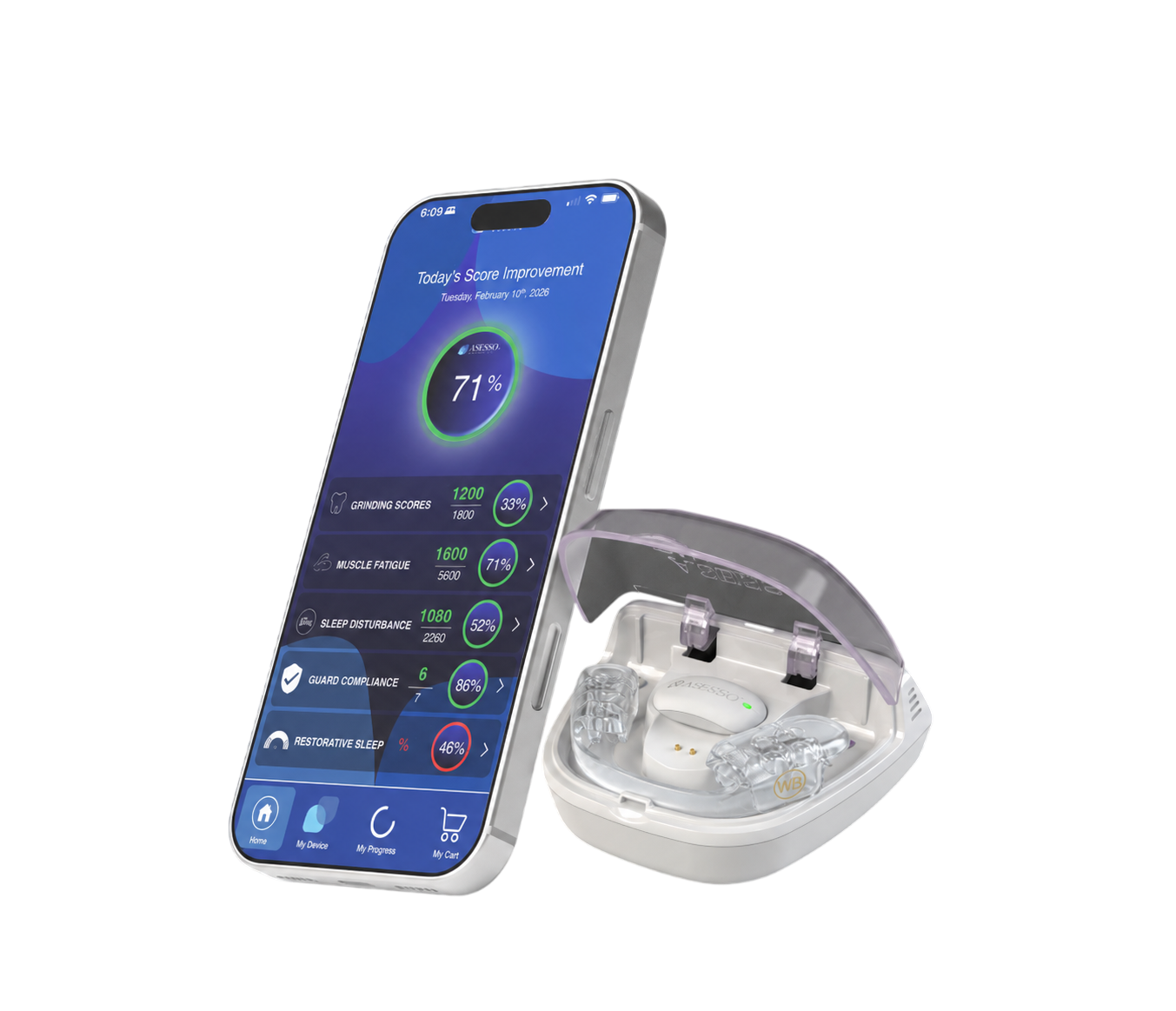
Bruxism management: for people whose spasms are clearly tied to overnight grinding or daytime clenching, directly addressing this behavior through night guards, biofeedback, stress management, or muscle-targeting sleep systems reduces the cumulative muscle load that creates spasm vulnerability.
Magnesium and nutritional support: for those whose spasms have a systemic component, optimizing magnesium status through dietary sources such as dark leafy greens, nuts, seeds, and legumes, or through targeted supplementation, can meaningfully cut the frequency of muscle cramping.
Stress management: because stress is a primary driver of sustained jaw muscle activation, evidence-based stress reduction through regular exercise, mindfulness, adequate sleep, and social connection creates the neurological and hormonal conditions under which muscles are far less likely to go into spasm.
The Wakebright Role in Spasm Prevention
At Wakebright, we understand that jaw spasms do not emerge out of nowhere. They are the acute expression of a chronic overuse pattern that builds across months and years of sustained jaw muscle tension.
Our approach addresses that underlying tension at its most active period: the hours of sleep during which bruxism generates much of the cumulative muscle overload that drives spasm vulnerability. By supporting genuine muscular relaxation during sleep, Wakebright helps reduce the baseline tension level that makes the jaw prone to acute spasms.
Users who bring Wakebright into their jaw health routine often report not only reduced morning soreness but a progressive decrease in the acute flares and spasm episodes that had punctuated their experience of chronic jaw dysfunction. Less baseline tension means a larger buffer before the tipping point of spasm is reached.
What You Can Do Now
Jaw spasms are involuntary muscle contractions that occur when chronically overworked jaw muscles are pushed past their sustainable limit.
Bruxism, active trigger points, electrolyte imbalance, and dental overextension are the most common triggers.
During an acute spasm, apply moist heat, avoid forcing movement, and take ibuprofen. Do not try to force the jaw open or closed.
Seek urgent care for jaw-open locking, respiratory compromise, or drug-induced acute jaw rigidity.
Long-term prevention requires addressing the underlying chronic muscle tension through physical therapy, bruxism management, stress reduction, and sleep optimization.
Adequate magnesium intake supports muscle relaxation and reduces cramping frequency in susceptible individuals.
Frequently Asked Questions
Q: Is a jaw spasm dangerous?
In most cases, no. Jaw spasms are painful and alarming but not inherently dangerous, and they typically resolve with conservative management. The exceptions are jaw-open locking (possible dislocation), drug-induced dystonic reactions, and spasms with neurological features. These warrant prompt medical evaluation.
Q: How long do jaw spasms last?
This varies widely. Brief spasms may resolve within minutes. More severe episodes, particularly in people with underlying TMD and active trigger points, can last hours and leave the muscles sore for several days. Appropriate first aid (heat, gentle movement, anti-inflammatories) typically shortens the duration significantly.
Q: Can anxiety cause jaw spasms?
Yes. Anxiety and acute psychological stress are strong triggers for jaw muscle hyperactivation. In people with existing jaw muscle tension from bruxism or TMD, anxiety can be enough to trigger a full spasm. Managing anxiety through therapy, medication when appropriate, and physical stress reduction strategies is a meaningful part of jaw spasm prevention.
Q: What foods should I avoid during jaw spasm recovery?
During recovery, avoid hard, chewy, or crunchy foods that demand significant jaw effort, such as raw vegetables, tough meats, hard breads, and chewing gum. Soft foods like yogurt, eggs, soft fish, cooked vegetables, and smoothies minimize the mechanical demand on recovering muscles. Gradually reintroduce normal food consistency as mobility and comfort improve.
Q: Can magnesium supplements really help with jaw spasms?
There is evidence that magnesium supplementation reduces muscle cramping, particularly in individuals who are deficient. Given that magnesium deficiency is common and that stress depletes magnesium stores, supplementation is a reasonable supportive measure for people experiencing frequent jaw spasms. Magnesium glycinate and magnesium malate are generally well-tolerated forms. Always discuss supplementation with your physician, especially if you have kidney disease or take other medications.
WAKEBRIGHT | Jaw spasms are your body's way of telling you that the underlying tension has been building too long. Wakebright's approach addresses that tension at its source, during sleep, when bruxism is most active and the cumulative overload that drives spasms is being generated. Take control of your jaw health before the next spasm strikes. Discover what a genuinely relaxed jaw feels like, morning after morning, with Wakebright. This article is for educational purposes only and does not constitute medical or dental advice. Please consult a qualified healthcare provider for personalized guidance.