How to Clean and Care for Your Grind Guard (Make It Last Years)

A custom grind guard is a real investment both in cost and in the protection it gives your teeth every night. How you clean and store it has more effect on its lifespan than almost anything else, and the good news is that proper care takes about two minutes a day. Neglect it, and even a well-made guard can pick up bacteria, warp, or crack years before it should.
Daily Care: What to Do Every Morning
Rinse it the moment you take it out. Hold your guard under cool or lukewarm running water as soon as you remove it, before saliva and debris have a chance to dry onto the surface. This single step, done consistently, prevents most buildup before it starts.
Brush it gently but skip the toothpaste. A soft-bristle toothbrush with a little mild soap or dish soap is the standard recommendation. Toothpaste feels like the obvious choice, but most formulas are abrasive enough to create microscopic scratches in the guard's surface and those tiny grooves become places where bacteria settle in and are harder to clean out over time.
Dry it completely before storing it. Let your guard air-dry on a clean, flat surface for 15-30 minutes before putting it back in its case. A guard put away damp creates exactly the moist environment bacteria need to multiply, which is one of the most common causes of persistent odor.
Store it in a ventilated case. The American Dental Association specifically recommends a sturdy container with vents that allows air to circulate and keeps the guard dry between uses. A closed, airtight container defeats the purpose even if the guard itself was dry when you put it away.
Weekly Deep Cleaning
Daily rinsing and brushing handle surface-level debris, but a weekly soak reaches buildup that brushing alone can't. Pick one of these methods and rotate it into your routine there's no need to combine them:
- Denture or retainer cleaning tablets: Drop a tablet into a glass of cool or lukewarm water, submerge the guard, and follow the timing on the package (typically 10-15 minutes). This is a widely used, ADA-recognized method specifically because these tablets are formulated for removable dental appliances.
- Diluted hydrogen peroxide: Mix equal parts hydrogen peroxide and water, soak for 5-10 minutes, then rinse thoroughly. Effective for disinfecting and helps neutralize odor.
- White vinegar: Soak in equal parts white vinegar and cool water for 15-30 minutes. This is particularly good at loosening mineral (calcium) deposits that can build up on a guard over time.
Whichever method you choose, don't soak longer than the recommended time, and never leave your guard submerged in any liquid for more than an hour extended soaking can damage the material regardless of what's in the solution. Skip mouthwash as a soaking solution; most formulas contain alcohol, which can degrade guard material over repeated use.
What to Avoid
A handful of habits account for the majority of premature grind guard damage:
- Hot water, ever. This is the single most important rule. Rinsing, soaking, or washing your guard in hot water including running it under a hot tap, putting it in the dishwasher, or leaving it in a hot car can warp the material permanently. Once a custom guard loses its shape, it typically can't be reshaped and needs to be remade.
- Direct sunlight or heat sources. A guard left on a sunny windowsill or near a heating vent is exposed to the same warping risk as hot water.
- Boiling. Never boil your guard to "sterilize" it this is far beyond what the material can tolerate and will destroy the fit.
- Toothpaste. As mentioned above, its abrasiveness does more harm than good over time.
- Chewing on it. Absent-minded chewing (especially during the day, if you also wear it for daytime clenching) shortens its lifespan considerably.
- Pets. Dogs in particular treat mouthguards as chew toys, and a guard left out on a nightstand is a common casualty. Keep it in its case when not in use.
Caring for the Case, Too
A perfectly clean guard stored in a dirty case defeats the purpose. Wash your guard's case with warm, soapy water at least once a week and let it air dry completely before putting the guard back in. Avoid the dishwasher for the case as well the heat can warp plastic cases just as it warps the guard itself.
Comparing Cleaning Methods
| Method | Time | Best For |
|---|---|---|
| Daily rinse + soft brush | ~1 minute | Everyday maintenance, preventing buildup |
| Denture/retainer cleaning tablets | 10-15 minutes | Convenient, broad-spectrum weekly cleaning |
| Diluted hydrogen peroxide | 5-10 minutes | Disinfecting and odor control |
| White vinegar soak | 15-30 minutes | Loosening mineral (calcium) deposits |
Does Care Differ by Guard Material?
The core routine rinse, brush without toothpaste, weekly soak, dry storage, no heat applies to every type of grind guard. But the material your guard is made from affects how forgiving it is of small lapses and how long it can be expected to hold up:
- Soft (EVA) guards are the most flexible and comfortable but also the least durable, and they're more prone to developing bite-through spots from grinding forces. They're generally a better fit for lighter grinders and tend to need replacement sooner regardless of care quality.
- Hard acrylic guards are the most durable option and hold up well to heavy grinding, but they're also the most heat-sensitive a hard guard that's been warped is essentially unsalvageable and needs a full remake.
- Dual-laminate guards (a soft inner layer with a hard outer shell) split the difference. The outer shell resists surface wear well, but the inner cushioning layer compresses gradually with use and is usually the first part to wear out, even when the outer shell still looks fine.
If you're not sure which type you have, check with your dentist it doesn't change the daily routine, but it does affect how much wear is normal to expect and when replacement makes sense.
How Long Should Your Grind Guard Last?
This varies significantly by guard type and how well it's cared for:
- Custom-made hard or dual-laminate guards (fitted by your dentist) typically last 1-5 years with proper care, and some well-maintained hard acrylic guards can last up to 3 years or more.
- Boil-and-bite guards purchased over the counter generally need replacement every 6-12 months, since they're made from thinner material and develop bite-through spots faster.
Consistent daily care and avoiding the mistakes above genuinely extend a guard's working life the gap between a well-cared-for guard and a neglected one can be a matter of years, not months.
Signs It's Time to Replace Your Guard
Even with excellent care, no grind guard lasts forever. Watch for:
- Visible cracks, tears, or holes these compromise protection and are difficult to clean thoroughly, letting bacteria collect in the damaged areas
- A change in fit looseness, tightness, or a guard that no longer seats the way it used to (this can also signal dental changes worth mentioning to your dentist)
- Persistent odor or discoloration that doesn't resolve even after a proper deep clean
- Visible warping any sign the shape has changed, even subtly
- Increased jaw pain or headaches while not always guard-related, a guard that's lost its shape can stop doing its job effectively
If you notice any of these, it's better to have your dentist assess the guard (and remake it if needed) than to keep using one that's no longer providing full protection.
A Note on This Information
Reviewed for accuracy by the clinical team at Aesso Healthcare. Aesso Healthcare's providers follow American Dental Association-recommended care and storage guidance for custom oral appliances, and check guard fit and condition at routine cleaning appointments.
Frequently Asked Questions
Can I clean my night guard with toothpaste?
It's best to avoid it. Most toothpaste is abrasive enough to scratch the guard's surface, and those scratches become places where bacteria can settle in and are harder to clean out.
How often should I deep clean my grind guard?
Once a week is the standard recommendation, in addition to rinsing and brushing it daily after every use.
Why is hot water so damaging to a night guard?
Most grind guards are made from thermoplastic materials that soften and reshape under heat. Hot water from a tap, a dishwasher, or a hot car can permanently warp the guard, and once that happens, the fit usually can't be corrected without a remake.
Is it okay to use mouthwash to clean my guard?
Generally no mouthwash contains alcohol, which can degrade guard material with repeated use. Water-based cleaning tablets or diluted hydrogen peroxide are better choices.
How long can I leave my guard soaking?
Follow the specific product's instructions, but as a general rule, never leave a guard submerged in any liquid for more than an hour, since extended soaking can damage the material regardless of what solution you're using.
How long does a custom night guard typically last?
With proper care, custom-made guards typically last 1-5 years, depending on the material and thickness. Boil-and-bite guards from the store usually need replacing every 6-12 months.
What are the clearest signs I need a new grind guard?
Visible cracks or holes, a noticeable change in fit, persistent odor that doesn't go away after cleaning, or visible warping are all signs it's time for a replacement.
Can my dog really ruin my night guard?
Yes pets, especially dogs, often treat mouthguards as chew toys, and a guard left out on a nightstand or counter is a common way guards get destroyed. Keep it in its case when it's not in your mouth.
Should I clean the case when my guard comes in, too?
Yes, wash the case with warm, soapy water at least once a week and let it dry completely. A clean guard stored in a dirty case will pick up bacteria from the case itself.
What should I do if my guard smells bad even after cleaning?
A persistent odor that doesn't resolve after a proper deep clean is a sign the guard may be past its usable life, or that bacteria has settled into cracks or scratches that cleaning can no longer reach. It's worth having your dentist take a look.
Does my night guard's material change how I should clean it?
The core routine is the same across materials, but soft and dual-laminate guards are somewhat more prone to wear over time regardless of care quality, while hard acrylic guards are especially vulnerable to permanent warping from heat.
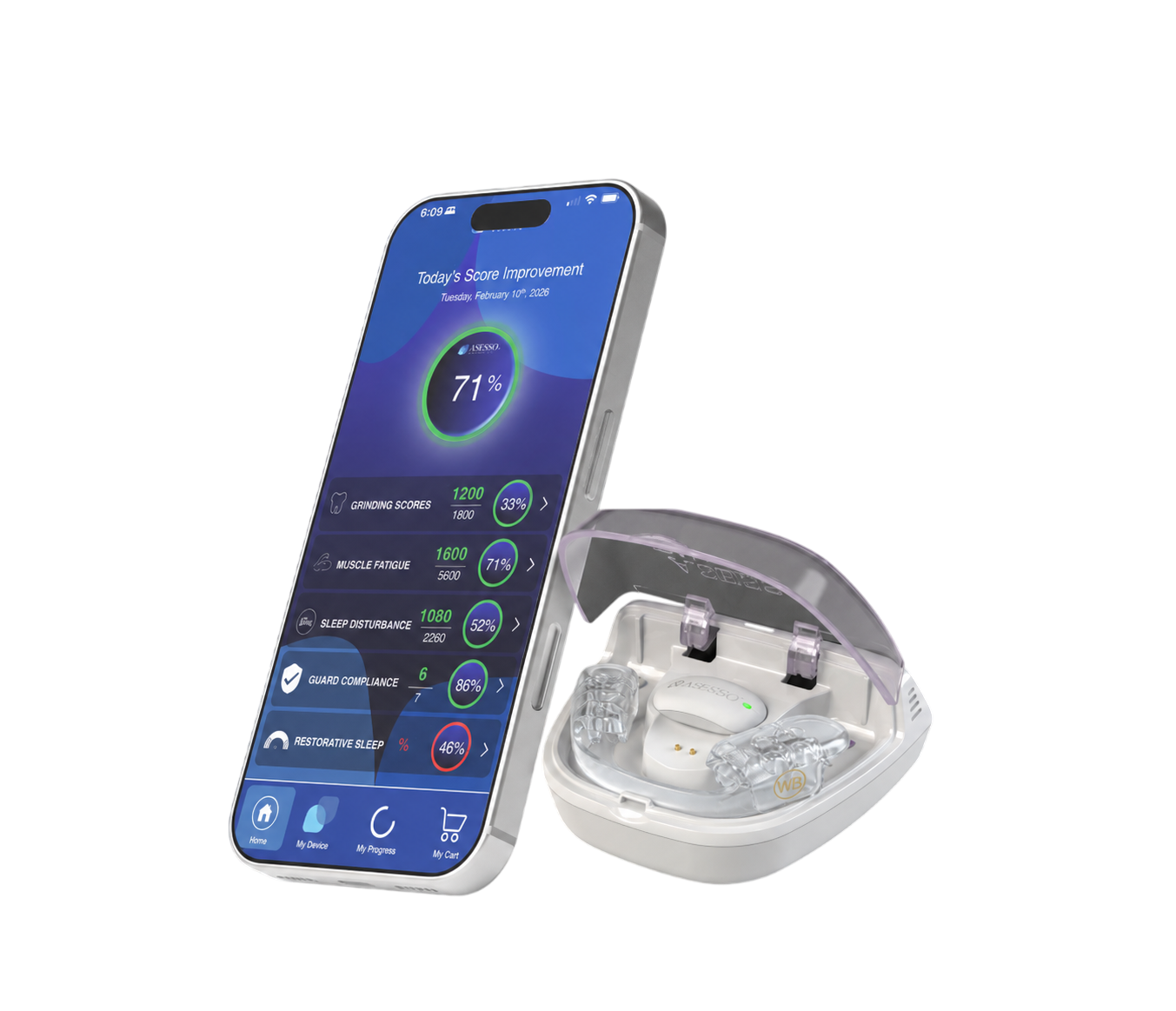
WAKEBRIGHT The Wakebright Guard is designed with durability and easy care in mind, so the daily routine that keeps it working stays simple ask your dentist about care instructions specific to your appliance.
This article is for informational purposes only and does not constitute medical advice. Consult a licensed dentist for guidance specific to your grind guard and oral health needs.
References
American Dental Association / MouthHealthy. "Mouthguards." mouthhealthy.org. https://www.mouthhealthy.org/all-topics-a-z/mouthguards