How Long Does a Night Guard Last? Dentist Answers

You finally invested in a night guard, and now the natural next question is: how long is this actually going to last? It's a fair thing to want to know before you're several years into wearing one and the honest answer depends heavily on what type of guard you have and how hard your teeth work it every night.
The Short Answer
A professionally made custom night guard typically lasts three to five years with normal use and proper care, according to dental guidance from Cleveland Clinic. Heavier grinders sometimes need to replace theirs sooner, while lighter grinders can occasionally stretch a well-maintained guard even longer. Over-the-counter options don't come close to that timeline boil-and-bite guards generally hold up for about six months to a year, and basic stock guards even less.
The material and the fit matter more than the calendar. A custom guard that's showing thinning or cracks at year two needs replacing regardless of the "3–5 year" average, and a guard in great condition at year five doesn't necessarily need to go just because a number says so.
Night Guard Types and Their Typical Lifespan
| Type | How It's Made | Typical Lifespan |
|---|---|---|
| Custom-fitted (dentist) | Dental impression, lab-fabricated to your exact bite | 3–5 years |
| Boil-and-bite | Softened in hot water, molded at home | 6–12 months |
| Stock/OTC | Pre-formed, one-size-fits-most | 3–6 months |
Cleveland Clinic notes that custom-made mouth guards are more expensive upfront but last considerably longer than store-bought versions, largely because they're built from more durable material and fit precisely enough that grinding forces are distributed evenly across the appliance rather than concentrated on a few high-pressure spots.
What Actually Determines How Long Yours Will Last
How Hard You Grind
This is the single biggest factor. Someone with mild, occasional clenching will wear through a guard far more slowly than someone with severe, nightly grinding. The American Dental Association's Health Policy Institute has tracked a rise in patients showing signs of teeth grinding and clenching in recent years, and dentists generally agree that heavier bruxism simply puts more mechanical stress on the appliance, night after night.
Material and Construction
Hard acrylic guards tend to resist wear longer than soft or dual-laminate materials, though the "best" material actually depends on your specific grinding pattern a dentist typically chooses based on whether you clench, grind, or do both, and how forceful it is.
Fit
A guard that's slightly loose or has started to warp doesn't just feel worse it wears out faster, because uneven pressure concentrates force on specific points instead of spreading it across the whole appliance. This is part of why custom-fitted guards, made from an exact impression of your teeth, hold up longer than one-size-fits-most versions.
Care and Storage
Guards left loose in a bathroom drawer get scratched, warped by heat, and exposed to more bacteria than ones stored properly. Simple habits extend the life of any guard, custom or not.
Signs Your Night Guard Needs Replacing
Don't wait for it to fall apart. Watch for:
- Visible cracks, holes, or thinning spots, especially where your teeth make the most contact
- A looser fit than when it was new, or a guard that feels like it shifts during the night
- Flattened or worn-through bite marks where the material has thinned to the point of offering little cushioning
- Returning symptoms morning jaw soreness, headaches, or a partner noticing grinding sounds again, even with the guard in
- Persistent odor or discoloration that doesn't resolve with regular cleaning, which can signal bacterial buildup in worn material
- New sensitivity or tooth pain, suggesting the guard is no longer fully protecting your teeth
Any one of these on its own is worth mentioning at your next dental visit; a few together usually mean it's time for a replacement.
How to Make Your Night Guard Last Longer
A few habits meaningfully extend a guard's usable life:
- Rinse it after every use with cool water hot water can warp the material
- Brush it gently with a soft toothbrush (skip regular toothpaste, which can be abrasive; a mild soap or denture cleaner works better)
- Store it in its case, not loose in a drawer or bag, to protect it from heat, pressure, and bacteria
- Keep up with regular dental checkups and bring your guard along your dentist can check the fit and spot early wear you might miss at home
- Avoid chewing on it during the day out of habit, which accelerates wear well beyond normal nighttime use
What Happens If You Keep Using a Worn-Out Guard
A cracked, thinned, or ill-fitting night guard isn't just less effective, it can actively work against you. Cracks and rough edges create places for bacteria to collect, a warped fit can put uneven pressure on specific teeth, and once the material has thinned enough, grinding forces pass through to your teeth almost as if you weren't wearing anything at all. At that point, you're paying for the discomfort of wearing a guard without getting the protection it's meant to provide which defeats the purpose entirely.
What You Can Do Now
- Custom guards typically last 1-5 years depending on material; OTC guards typically last 6-12 months
- Grinding severity affects lifespan more than any other single factor
- Cracks, a changed fit, persistent odor, or bite-through spots mean it's time for a replacement, regardless of age
- Proper care no heat, dry storage, weekly deep cleaning meaningfully extends a guard's working life
Frequently Asked Questions
How long does a custom night guard last on average?
Most custom-fitted night guards last three to five years with normal use and proper care, though heavy grinders may need to replace theirs sooner and light grinders can sometimes get more.
How long do over-the-counter night guards last?
Boil-and-bite guards typically last about six months to a year, and basic stock guards even less often just a few months since they're made from softer, less durable material and don't fit as precisely.
How do I know if my night guard needs replacing?
Look for visible cracks or thinning, a fit that's become loose or shifts during the night, worn-through bite marks, or the return of symptoms like jaw soreness or headaches even while wearing it.
Can I keep using a night guard with a small crack?
It's not recommended. Even small cracks can harbor bacteria and create weak points that continue to worsen, and a compromised guard may not distribute grinding forces evenly anymore.
Does a night guard stop teeth grinding completely?
Not necessarily. A night guard protects your teeth from the damage grinding causes, but it doesn't always stop the underlying muscle activity that's why dentists often recommend pairing it with stress management or addressing any underlying cause.
Is it bad to grind through a night guard quickly?
It's a sign your bruxism may be more severe than average, and it's worth mentioning to your dentist. They may recommend a different material or thickness better suited to heavier grinding.
Can I clean my night guard with mouthwash?
Rinsing with water after each use and cleaning periodically with a mild soap or a denture-cleaning tablet is generally recommended. Strong mouthwash isn't necessary and, used frequently, can affect some materials over time ask your dentist for their specific care recommendation.
Should I bring my night guard to dental checkups?
Yes. Bringing it along lets your dentist check the fit and spot early wear you might not notice yourself, which helps you replace it at the right time rather than too early or too late.
Why does my night guard feel loose after a year or two?
Guards can loosen due to gradual material wear, or sometimes because of natural shifts in your bite or teeth position over time. Either way, a loose-fitting guard is less effective and worth having checked.
Is a custom night guard worth the extra cost compared to store-bought?
For most people who grind regularly, yes a custom guard lasts several times longer than an over-the-counter version and fits more precisely, so the cost per year of use is often lower despite the higher upfront price.
Can children use the same type of night guard as adults?
Children's mouths are still growing and changing, so their night guards typically need replacing more often than an adult's, regardless of material or grinding severity.
What should I do with an old night guard I no longer use?
Most dental offices can advise on disposal; it's not typically hazardous, but if it's still in decent shape, ask your dentist whether it could serve as a spare or backup rather than being discarded.
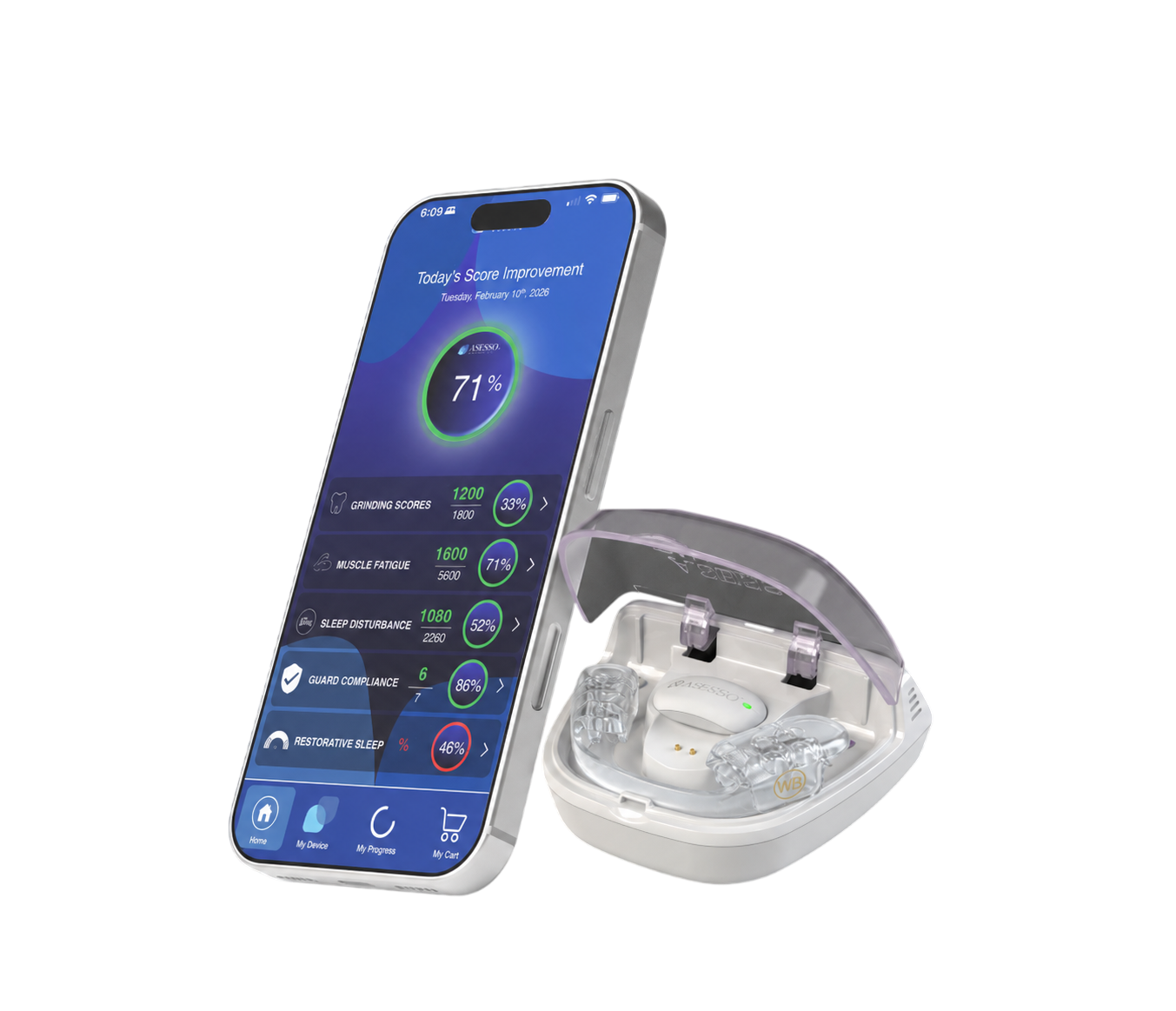
**WAKEBRIGHT **The Wakebright Guard is built for durability across a range of grinding severities ask your dentist which specific option best matches how heavily you grind and how long you'd like it to last.
This article is for informational purposes only and does not constitute medical advice. Consult a licensed dentist or healthcare provider for diagnosis and treatment recommendations specific to your situation.
References
- Cleveland Clinic. "Mouth Guards: Types & Purpose." my.clevelandclinic.org. https://my.clevelandclinic.org/health/treatments/10910-mouthguards
- American Dental Association, MouthHealthy. "Teeth Grinding." mouthhealthy.org. https://www.mouthhealthy.org/all-topics-a-z/teeth-grinding
- National Institute of Dental and Craniofacial Research. "Bruxism." nidcr.nih.gov. https://www.nidcr.nih.gov/health-info/bruxism
- Mayo Clinic. "Teeth grinding (bruxism) – Diagnosis and treatment." mayoclinic.org. https://www.mayoclinic.org/diseases-conditions/bruxism/diagnosis-treatment/drc-20356100