Cluster Headaches: Symptoms, Causes, and the Jaw Tension Connection

If you have ever lived through a cluster headache, you know that the word "headache" does not begin to capture it. The pain arrives without warning, often in the middle of the night, and it is searing, drilling, one-sided agony concentrated behind or around one eye. It can last anywhere from 15 minutes to three hours, and then it comes back. Night after night, through what is called a cluster period that can stretch across weeks or months.
People who experience cluster headaches often describe them as the most severe pain they have ever felt. And yet the condition is frequently underdiagnosed and poorly understood, particularly the role that jaw muscle tension, jaw clenching, and temporomandibular dysfunction may play in triggering or intensifying episodes.
What Are Cluster Headaches?
Cluster headaches are a primary headache disorder, meaning they are not caused by another underlying condition. They bring severe, strictly one-sided pain centered around the eye, temple, or forehead. Unlike migraines, cluster headaches are not typically accompanied by nausea or preceded by an aura, though they do share some features with migraine.
The "cluster" in the name refers to their cyclical pattern: attacks come in groups lasting weeks to months, followed by remission periods that can last months or years. This regularity is one of the hallmarks of the condition.
Key Features of Cluster Headaches
Location: strictly one-sided, concentrated around or behind one eye. Intensity: severe to excruciating, described as burning, stabbing, or drilling. Duration: 15 minutes to 3 hours per attack. Frequency: 1 to 8 attacks per day during a cluster period. Timing: attacks frequently strike at the same time each day, commonly at night. Autonomic symptoms: redness or tearing of the eye, nasal congestion, a drooping eyelid, or facial sweating on the affected side. Restlessness: unlike migraine sufferers, who tend to lie still, people with cluster headaches often pace or rock during attacks.
What Causes Cluster Headaches?
The exact mechanism behind cluster headaches involves the hypothalamus, the brain's circadian rhythm regulator, together with the trigeminal-autonomic reflex pathway.
The Hypothalamus and Circadian Rhythm
The regularity of cluster headache timing, often down to the exact hour, points to the hypothalamus, which runs the body's internal clock. This helps explain why attacks often follow seasonal patterns and arrive at consistent times of day or night.
The Trigeminal Nerve Connection
The trigeminal nerve, which supplies sensation to most of the face including the jaw, eyes, and forehead, is centrally activated during cluster headache attacks. That activation drives both the severe facial pain and the autonomic symptoms that come with it.
Crucially, the trigeminal nerve is also closely tied to the jaw and the temporomandibular region. Sustained tension in the jaw muscles can influence trigeminal nerve sensitivity, a mechanism that links jaw muscle stress to headache susceptibility in a physiologically meaningful way.
The Jaw Muscle Stress Connection
Here is what many cluster headache discussions leave out: the relationship between jaw tension and head pain runs in both directions and it is significant.
The muscles of mastication are innervated by the trigeminal nerve, the same nerve centrally involved in cluster headache pathophysiology. Chronic jaw muscle tension can sensitize the trigeminal system, potentially lowering the threshold for headache attacks in susceptible individuals.
Cluster headaches occur disproportionately during sleep, and so does peak nighttime bruxism activity. The sustained jaw muscle engagement that defines sleep bruxism unfolds during the very hours when cluster headaches are most likely to strike. The muscular tension this produces may act as a contributing trigger in people who are already neurologically predisposed.
On top of that, the temple and eye-region pain that characterizes cluster headaches overlaps heavily with the referred pain patterns from the temporalis and masseter muscles. In some people, the two conditions coexist and reinforce one another. For anyone managing cluster headaches who also deals with jaw soreness or morning facial tension, addressing jaw muscle stress is a meaningful and underused part of the management equation.
Medical Management of Cluster Headaches
Cluster headaches are well recognized and treatable. Effective acute treatments include high-flow oxygen therapy (often dramatically effective and fast-acting), sumatriptan injections, and certain nasal sprays. Preventive medications include verapamil, lithium, corticosteroids, and newer CGRP-targeting drugs. Keeping a consistent sleep schedule and avoiding known triggers during cluster periods are consistently recommended lifestyle components.
What You Can Do Now
Keep a detailed headache diary. Track timing, duration, intensity, the side of each attack, and any potential triggers. This information is essential for both diagnosis and effective treatment planning.
Evaluate your jaw health alongside your headache pattern. Morning jaw soreness or facial tension that shows up during your cluster period may signal a jaw-trigeminal connection worth exploring.
Maintain a consistent sleep schedule. Sleep disruption is linked to cluster headache triggers and to increased bruxism activity, so consistency in timing benefits both.
Discuss bruxism with your neurologist. Many headache specialists know the jaw-headache connection well, and raising it proactively may open additional management options.
Reduce jaw muscle load if bruxism is confirmed. A grind guard system designed to limit muscular clenching may reduce the trigeminal sensitization associated with jaw muscle overload.
Avoid known cluster period triggers. Even small amounts of alcohol can set off attacks during an active cluster. Strong odors and altitude changes are also commonly reported triggers.
Frequently Asked Questions
Q: Are cluster headaches the same as migraines?
No. Both are primary headache disorders and both can be severe, but they differ significantly in character. Cluster headaches are short (15 minutes to 3 hours), strictly one-sided, accompanied by autonomic symptoms such as tearing and nasal congestion, and marked by restlessness. Migraines run longer (4 to 72 hours), are often bilateral or shifting, come with nausea and sensitivity to light and sound, and typically make the sufferer want to lie still. Both conditions can, however, involve the trigeminal nerve, and they may coexist in the same person.
Q: Why do cluster headaches happen at night?
Their close tie to the hypothalamus, the brain's circadian clock, means attack timing is governed by the same mechanisms that run the sleep-wake cycle. REM sleep, which clusters in the later hours of the night, may also play a role. This overlap with peak bruxism activity makes the jaw a relevant variable to evaluate in people with nighttime cluster headaches.
Q: Can jaw tension really contribute to cluster headaches?
Current evidence does not establish a direct causal relationship, but the anatomical and physiological connections are meaningful. The trigeminal nerve is central to both jaw muscle innervation and cluster headache pathophysiology. Chronic sensitization of the trigeminal system from jaw muscle tension may lower the threshold for headache attacks in predisposed individuals. Managing jaw muscle load as part of a comprehensive cluster headache strategy is a low-risk and potentially beneficial component.
Q: What should I do during a cluster headache attack?
High-flow oxygen therapy (100% oxygen at 7 to 12 liters per minute through a face mask) is one of the most effective and fast-acting treatments available, and it can abort an attack within 15 to 20 minutes for many sufferers. Sumatriptan injections or nasal spray are also highly effective acute treatments. These require a prescription, so see a neurologist or headache specialist for an appropriate acute treatment plan.
Q: How long do cluster periods typically last?
Cluster periods vary considerably from person to person. Most run between 6 and 12 weeks, though some are shorter and others extend to several months. The remission periods between clusters typically last months to years. Some people experience chronic cluster headache, in which remission periods are absent or very brief, and this form requires ongoing preventive treatment.
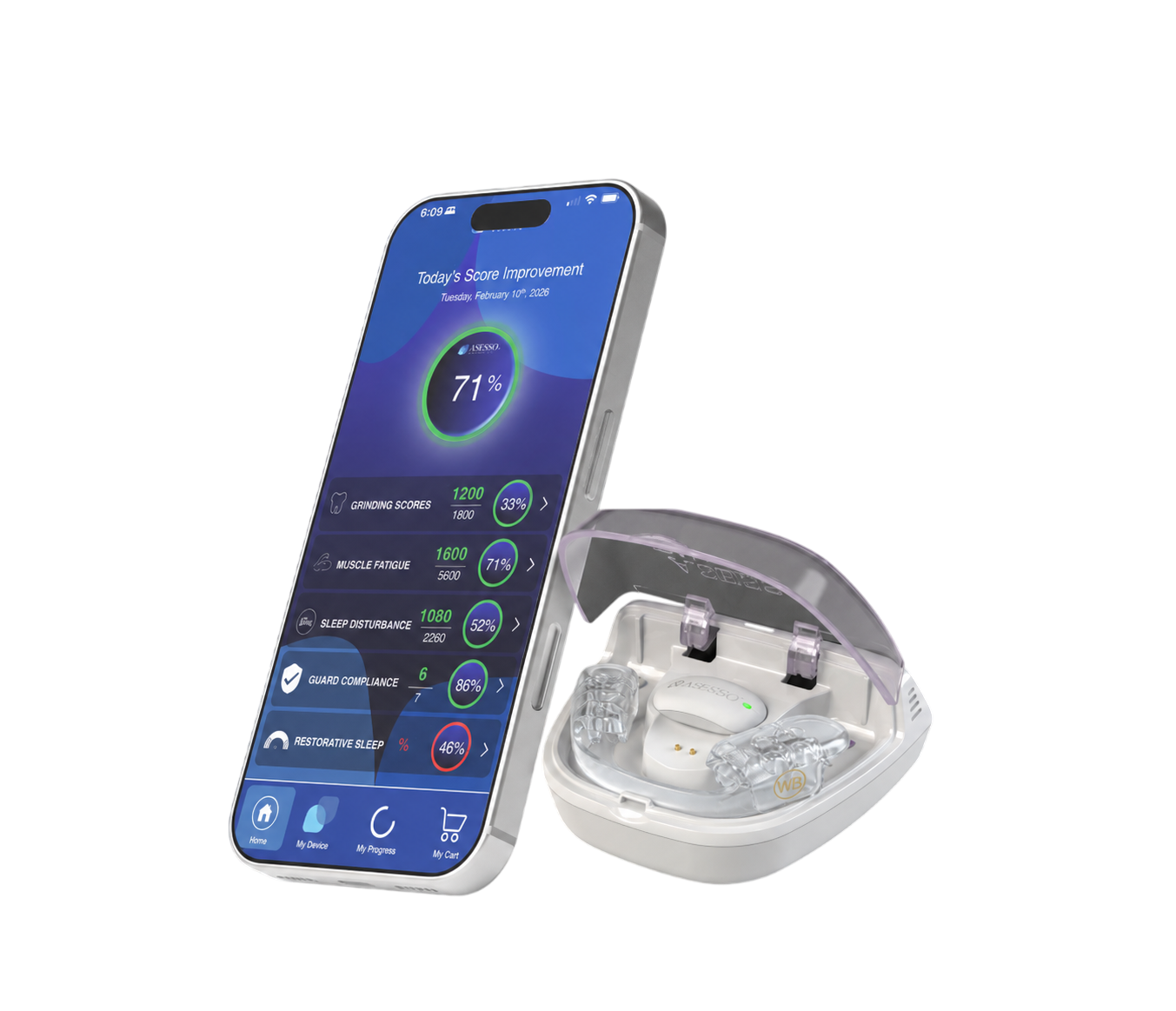
WAKEBRIGHT | Cluster headaches require dedicated medical attention, and Wakebright does not offer a cure or treatment for them. But for people managing cluster headaches alongside jaw tension, bruxism, or TMD, reducing the muscular contribution to trigeminal sensitization makes physiological sense. The Wakebright grind guard system reduces sustained jaw muscle load during sleep, supporting conditions that may ease one potential source of trigeminal irritation during the vulnerable nighttime hours. Visit wakebrightguards.com to learn more. This article is for educational purposes only and does not constitute medical or dental advice. Please consult a qualified healthcare provider for personalized guidance.