14 Parafunctional Bruxism Habits Damaging Your Teeth in 2026

Wake up with a sore jaw more mornings than not? Notice your back teeth look shorter than they used to? You might be dealing with a parafunctional habit, a repetitive mouth or jaw movement that has nothing to do with eating, drinking, or talking. Bruxism, the grinding or clenching of teeth, is the most common one, but it rarely acts alone. A cluster of smaller, less obvious habits often rides along with it, and together they're what actually wears a smile down over the years.
This guide walks through 14 of the parafunctional habits dentists see most often in 2026, why each one is harder on your teeth than it looks, and what's actually worth doing about it.
What Counts as a Parafunctional Habit?
A parafunctional habit is any repeated use of your teeth, jaw, or mouth outside their normal job of chewing, swallowing, speaking, and breathing. The National Institute of Dental and Craniofacial Research (NIDCR) describes bruxism specifically as clenching, grinding, or gnashing the teeth, which can happen while you're asleep or fully awake, and can affect adults and children alike.
Bruxism gets most of the attention because it's the most damaging, but it's a spectrum. Estimates vary widely depending on how researchers measure it a large meta-analysis of global studies put overall bruxism prevalence around 22%, while sleep-lab studies using polysomnography have recorded rates as high as 43% in some groups. What's consistent across the research is that most people have no idea they're doing it until a dentist points out the wear pattern.
Left unaddressed, these habits compound. A little nail biting plus nighttime clenching plus a stress-driven grinding pattern during the workday adds up to far more wear than any single habit would cause on its own.
The Core Grinding and Clenching Habits
1. Sleep (Nocturnal) Bruxism
This is the classic form grinding or clenching during sleep, often loud enough for a partner to hear. Because it happens unconsciously, most people find out from a dentist noticing flattened cusps or from a partner complaining about the noise. Sleep bruxism has been linked in research to sleep-stage transitions and micro-arousals, and it's frequently connected to sleep apnea, which is why dentists sometimes recommend a sleep study alongside a dental exam.
2. Awake (Daytime) Clenching
Awake bruxism looks different from the sleep version it's usually clenching rather than a back-and-forth grinding motion, and it tends to build gradually through the day rather than showing up all at once. Research summarized by the NIDCR points to psychosocial factors like stress, distress, and low mood as major drivers. You might catch yourself doing it during a tense email, a traffic jam, or a deadline crunch.
3. Stress-Triggered Grinding
Distinct from routine clenching, this is grinding that spikes specifically around emotional stress an argument, a hard conversation, financial pressure. The American Dental Association's Health Policy Institute found that more than 70% of dentists surveyed reported an increase in patients with teeth grinding and clenching tied to stress, a trend that accelerated during the pandemic years and hasn't fully reversed since.
Oral Habits That Compound the Damage
4. Nail Biting
Chronic nail biting (onychophagia) puts repeated, concentrated pressure on the front teeth. Over time it can chip incisal edges, wear down enamel at the biting surface, and even contribute to minor shifts in tooth position, especially in people who already clench or grind.
5. Chewing on Pens or Pencils
A habit that shows up constantly during focused work meetings, studying, phone calls. Hard plastic caps and wooden pencils are dense enough to chip enamel or crack a filling, and the habit often overlaps with jaw clenching since both happen during concentration.
6. Chewing Ice
Ice feels harmless because it's just frozen water, but it's hard enough to fracture enamel and crack teeth that already have fillings or crowns. Dentists regularly see ice-chewing patients with hairline cracks that don't show symptoms until the crack reaches the nerve.
7. Cheek Biting
Repeatedly biting the inside of the cheek, often unconsciously, creates a habit loop: the tissue gets slightly raised or irritated, which makes it easier to catch between the teeth again. It doesn't damage enamel directly, but it frequently travels alongside clenching patterns and can indicate the same underlying stress response.
8. Lip Biting
Similar mechanism to cheek biting, but it also affects the position and pressure on the front teeth over time. In children, chronic lip biting can influence how the front teeth align as they develop.
9. Tongue Thrusting
Pushing the tongue against or between the teeth during swallowing or at rest instead of resting it against the roof of the mouth puts steady outward pressure on the front teeth. Over months and years, that pressure can contribute to an open bite or push teeth out of alignment, undoing orthodontic work in some cases.
Habits Tied to Daily Routines and Screen Time
10. Clenching During Exercise
Ever notice your jaw locked tight during the last rep of a heavy lift? Clenching the jaw to brace the body during intense physical effort is common in weightlifting, running, and other high-exertion activities. Athletic mouthguards exist partly for this reason, though most people only think of them for contact sports.
11. Screen-Time Clenching
A newer pattern dentists describe anecdotally: sustained, low-grade jaw tension while scrolling, gaming, or staring at a screen for long stretches. It mirrors the "tech neck" posture problem the jaw tightens along with the shoulders and neck as focus narrows and breaks get skipped.
12. Excessive or Aggressive Gum Chewing
Occasional gum chewing isn't a problem, but constant, hours-long chewing keeps the jaw muscles in near-continuous use, which can fatigue the temporomandibular joint (TMJ) and worsen existing clenching habits. Mayo Clinic's self-care guidance for bruxism specifically flags prolonged gum chewing as a habit worth curbing.
Habits Rooted in Childhood or Repetitive Use
13. Thumb or Finger Sucking Into Adulthood
Most children outgrow non-nutritive sucking habits, but a subset carries them into the teen or adult years, particularly under stress or while sleeping. Persisting past the point where permanent teeth are established can affect bite alignment and front-tooth positioning.
14. Using Teeth as Tools
Ripping open a package, tearing a tag off clothing, holding bobby pins, opening a bottle using your teeth in place of scissors or a bottle opener applies sudden, uneven force teeth were never built to handle. It's one of the more common causes of a sudden chip or crack that seems to come out of nowhere.
Habit, Damage, and What Helps
| Habit Category | Typical Damage | What Usually Helps |
|---|---|---|
| Sleep bruxism | Flattened/worn cusps, cracked teeth, morning jaw soreness | Custom night guard, sleep evaluation if apnea is suspected |
| Awake clenching/stress grinding | Muscle fatigue, headaches, tooth sensitivity | Stress management, jaw-position awareness, daytime clenching reminders |
| Nail/pen/ice biting | Chipped edges, cracked fillings, enamel loss | Behavior substitution, fidget alternatives, avoiding hard objects |
| Cheek/lip biting, tongue thrusting | Soft-tissue irritation, bite or alignment changes over time | Habit tracking, orthodontic evaluation if alignment is affected |
| Exercise/screen-time clenching | Jaw fatigue, TMJ strain | Athletic mouthguard, posture and break reminders during screen use |
| Gum chewing, thumb sucking, teeth-as-tools | TMJ overuse, chipped teeth, alignment issues | Reducing frequency, keeping tools (scissors, bottle openers) on hand |
Why These Habits Add Up to Real Dental Damage
Any one of these habits on its own might not cause much harm. The problem is overlap. Someone who clenches at night, bites their nails during the day, and grinds under stress is putting far more cumulative force through their teeth and jaw joint than any single habit would suggest. Over years, that combination shows up as flattened molars, hairline cracks, receding gum lines from excessive pressure, and, in more severe cases, temporomandibular joint (TMJ) pain that radiates into the ears, temples, or neck.
What Actually Helps
- Build awareness first. Many of these habits only get addressed once someone notices they're doing it a phone reminder or a sticky note in a common trigger location can help.
- Substitute something harmless. Sugar-free gum, a silicone chew, or a stress ball can redirect the same physical urge without the tooth-on-tooth or tooth-on-object contact.
- Address the underlying stress, where relevant. Several of these habits intensify with anxiety or concentration managing that directly often reduces the habit more effectively than trying to suppress the behavior alone.
- Get a dental exam if you suspect damage. A dentist can spot wear patterns specific to certain habits (a chipped incisor edge, worn cuticle-side enamel) that you might not connect to the habit yourself.
What You Can Do Now
- Most parafunctional habits are unconscious, so awareness is the first and most useful step
- Object-biting habits (pens, ice, nails) cause sudden chips and cracks; grinding and clenching cause gradual wear
- A dentist can often identify which specific habit is behind a wear pattern you didn't know you had
- Childhood habits like thumb sucking are usually only a concern if they persist well past the age when most children naturally stop
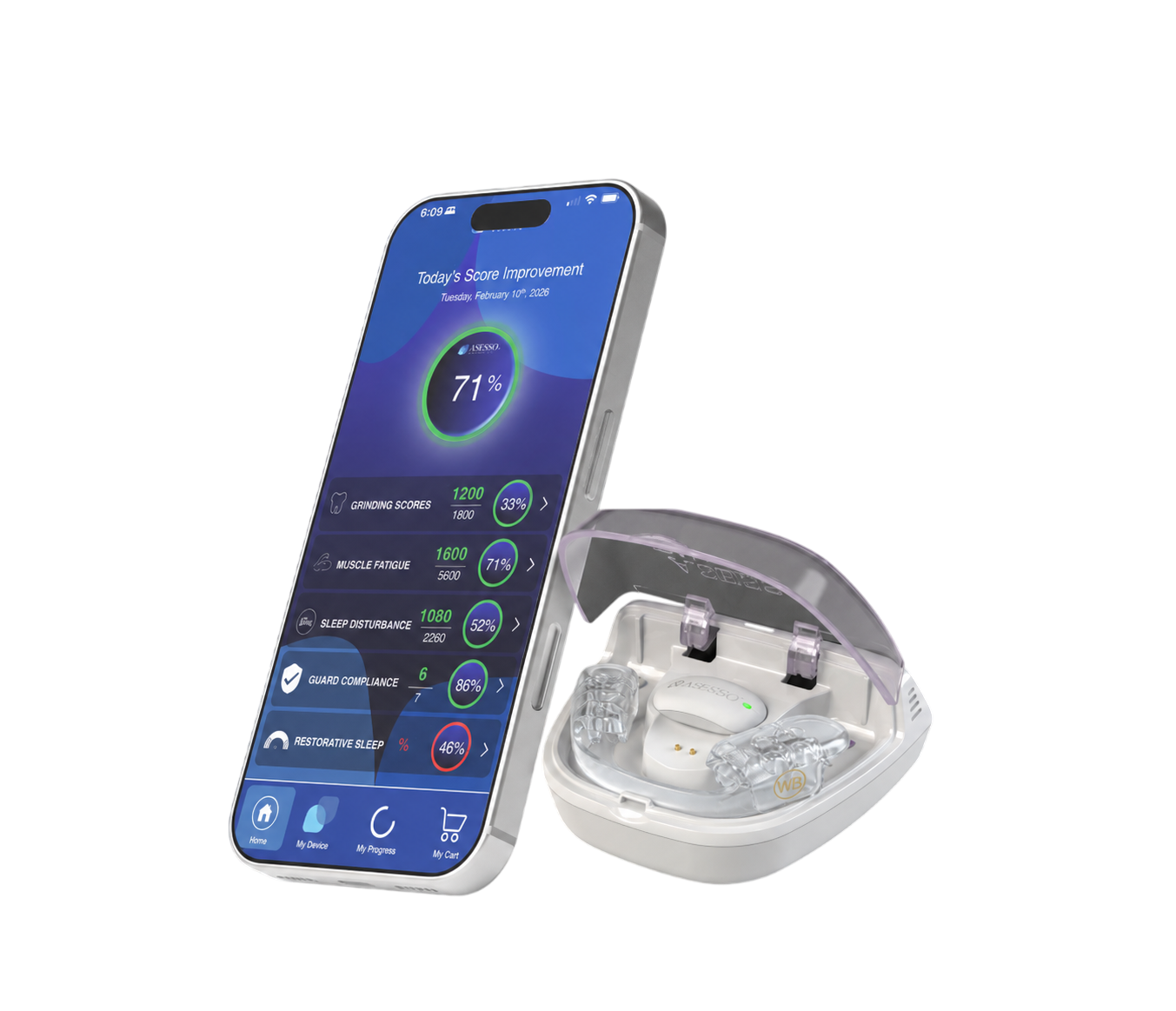
**WAKEBRIGHT **If your habit assessment turned up grinding or clenching alongside any of these other habits, the Wakebright Guard is specifically designed to protect your teeth from that particular source of damage while you work on the others.
Frequently Asked Questions
What is a parafunctional habit, exactly?
It's any repeated use of your mouth, teeth, or jaw for something other than chewing, swallowing, speaking, or breathing, grinding, clenching, nail biting, and pen chewing all qualify.
Is bruxism the same thing as TMJ disorder?
No, though they're closely related. Bruxism is the habit of grinding or clenching; a TMJ disorder is a problem with the jaw joint itself, which chronic grinding and clenching can help cause or worsen.
Can bruxism be cured completely?
There's no guaranteed cure, and Mayo Clinic notes that medicines used for bruxism aren't consistently effective. Most treatment focuses on protecting the teeth and managing triggers like stress, rather than eliminating the habit entirely.
How do I know if I grind my teeth in my sleep?
Common signs include a sore or tired jaw in the morning, dull headaches near the temples, teeth that look flattened or chipped, and a sleep partner mentioning grinding sounds. A dentist can also spot wear patterns during a routine exam.
Can stress alone cause bruxism?
Stress is one of the most consistently cited contributors, but bruxism is generally considered multifactorial genetics, caffeine and alcohol intake, smoking, certain medications, and sleep disorders can all play a role alongside stress.
Do children usually grow out of teeth grinding?
Many do. Childhood bruxism is common and frequently resolves on its own as permanent teeth come in, though a dentist should still monitor it, especially if wear or jaw discomfort is noticeable.
How much does a custom night guard cost?
Custom night guards fitted by a dentist typically run several hundred dollars, depending on your location, the type of practice, and the materials used; many dental insurance plans and FSA/HSA accounts cover all or part of the cost. Ask your dentist's office for an estimate specific to your plan.
Can bruxism actually cause tooth loss?
In severe, long-untreated cases, yes chronic grinding can crack teeth, wear through enamel into the softer dentin underneath, and damage the supporting bone and gum tissue enough to threaten a tooth's long-term survival.
What medications are known to trigger or worsen bruxism?
The NIDCR notes that certain medications used for depression, seizures, and ADHD have been associated with an increased likelihood of bruxism. If you're on one of these and notice new grinding or clenching, mention it to both your prescriber and your dentist rather than changing your dose on your own.
Can I stop clenching my jaw without wearing a night guard?
Sometimes, particularly for daytime clenching. Behavior change techniques noticing and relaxing your jaw position throughout the day, reducing caffeine and alcohol in the evening, and stress-reduction practices like yoga or meditation are all self-care steps Mayo Clinic recommends alongside or instead of a guard, depending on severity.
Is nail biting really serious enough to count as bruxism-adjacent damage?
On its own, nail biting is milder than grinding, but it applies repeated, concentrated force to the front teeth and often shows up in the same people who clench or grind. Dentists usually address it as part of the same conversation.
When should I actually see a dentist about this?
If you notice jaw soreness most mornings, visible wear or chipping, sensitivity that wasn't there before, or a partner mentioning grinding sounds, it's worth bringing up at your next visit or scheduling one sooner if the discomfort is frequent.
Protecting Your Smile Starts With Noticing the Habit
Parafunctional habits are easy to miss because most of them happen without any conscious decision: a clenched jaw during a stressful call, a pen cap between your teeth while you think, grinding you only find out about from a dentist's exam. Recognizing which of these 14 habits apply to you is the first real step toward protecting your teeth from years of quiet, cumulative wear.
If any of this sounds familiar, a conversation with the team at Aesso Healthcare is a good next step. A quick exam can usually tell you how much wear has already happened and what combination of habit changes, a night guard, or other care makes sense for your situation.
This article is for informational purposes only and does not constitute medical advice. Consult a licensed dentist or healthcare provider for diagnosis and treatment recommendations specific to your situation.
References
- National Institute of Dental and Craniofacial Research. "Bruxism." nidcr.nih.gov. https://www.nidcr.nih.gov/health-info/bruxism
- Mayo Clinic. "Teeth grinding (bruxism) – Diagnosis and treatment." mayoclinic.org. https://www.mayoclinic.org/diseases-conditions/bruxism/diagnosis-treatment/drc-20356100
- American Dental Association, MouthHealthy. "Teeth Grinding." mouthhealthy.org. https://www.mouthhealthy.org/all-topics-a-z/teeth-grinding
- American Dental Association. "New survey finds stress-related dental conditions continue to increase." ada.org. https://www.ada.org/about/press-releases/2021-archives/new-survey-finds-stress-related-dental-conditions-continue-to-increase
- Melo, G. et al. "Global Prevalence of Sleep Bruxism and Awake Bruxism in Pediatric and Adult Populations: A Systematic Review and Meta-Analysis." PMC, National Library of Medicine. https://www.ncbi.nlm.nih.gov/pmc/articles/PMC11278015/
- Guo, H. et al. "Sleep bruxism: Current knowledge and contemporary management." PubMed, National Library of Medicine. https://pubmed.ncbi.nlm.nih.gov/27656052/